Car keys · Toronto
Motorcycle & Scooter Keys
After a winter under a cover, the steering lock will not budge.
In plain words
Locks that sit through a season of outdoor storage or freeze-thaw weather often need more than a fresh key. A steering-head lock that has seized is diagnosed first, then freed with the cleaning method its maker directs and gentle working of the mechanism rather than force on the key, since a harder twist is more likely to snap a blade than move a stuck lock. Once the lock turns freely, cutting or duplicating the key proceeds the normal way, and a season's worth of grit is cleaned out of the mechanism at the same time.
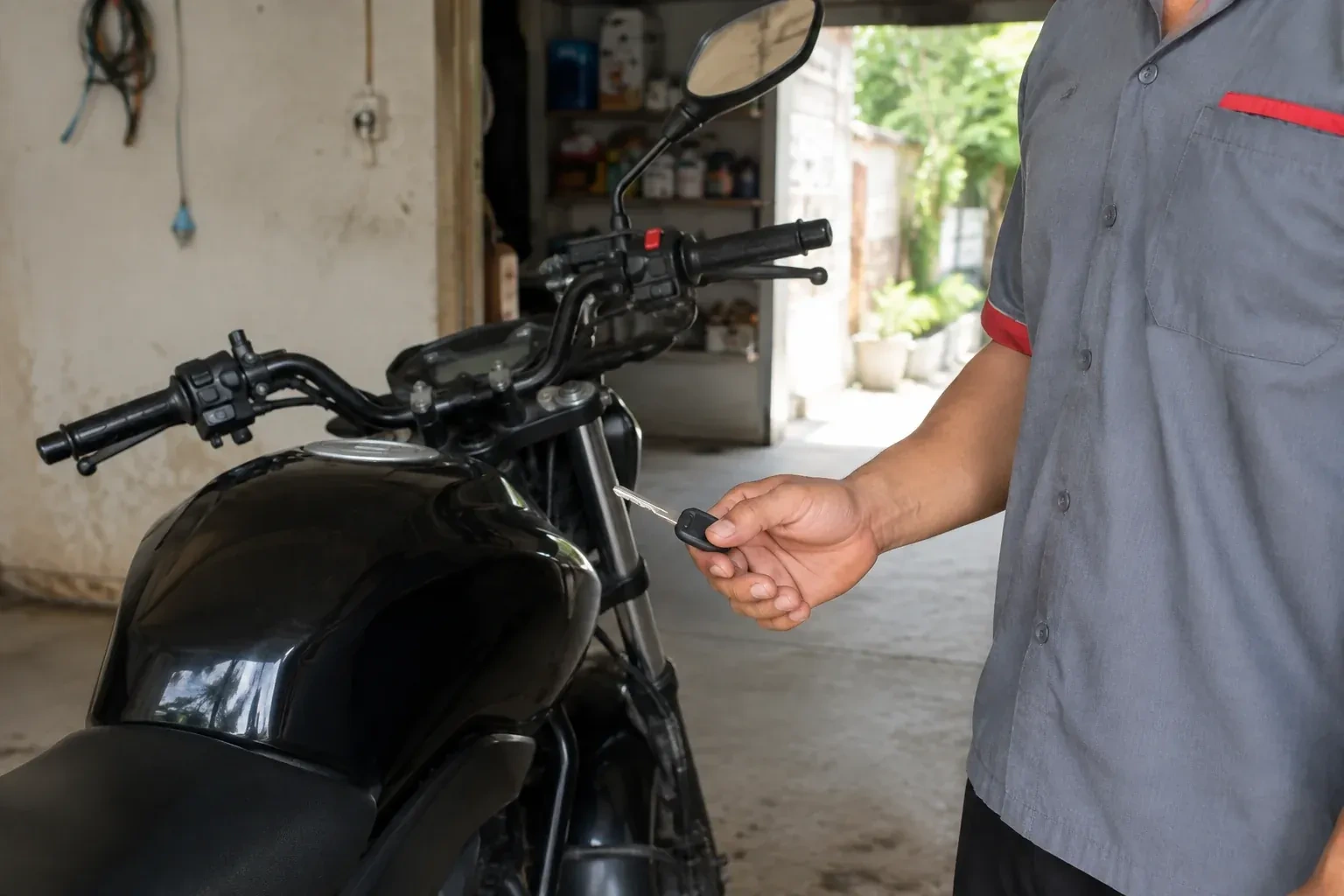
How the visit goesTwo keys came with the scooter: one for the ignition and steering, an entirely different one for the seat and the storage compartment underneath it, so opening the seat means carrying twice the metal.
Motorcycle & Scooter Keys
How the visit goes
Confirming who is asking
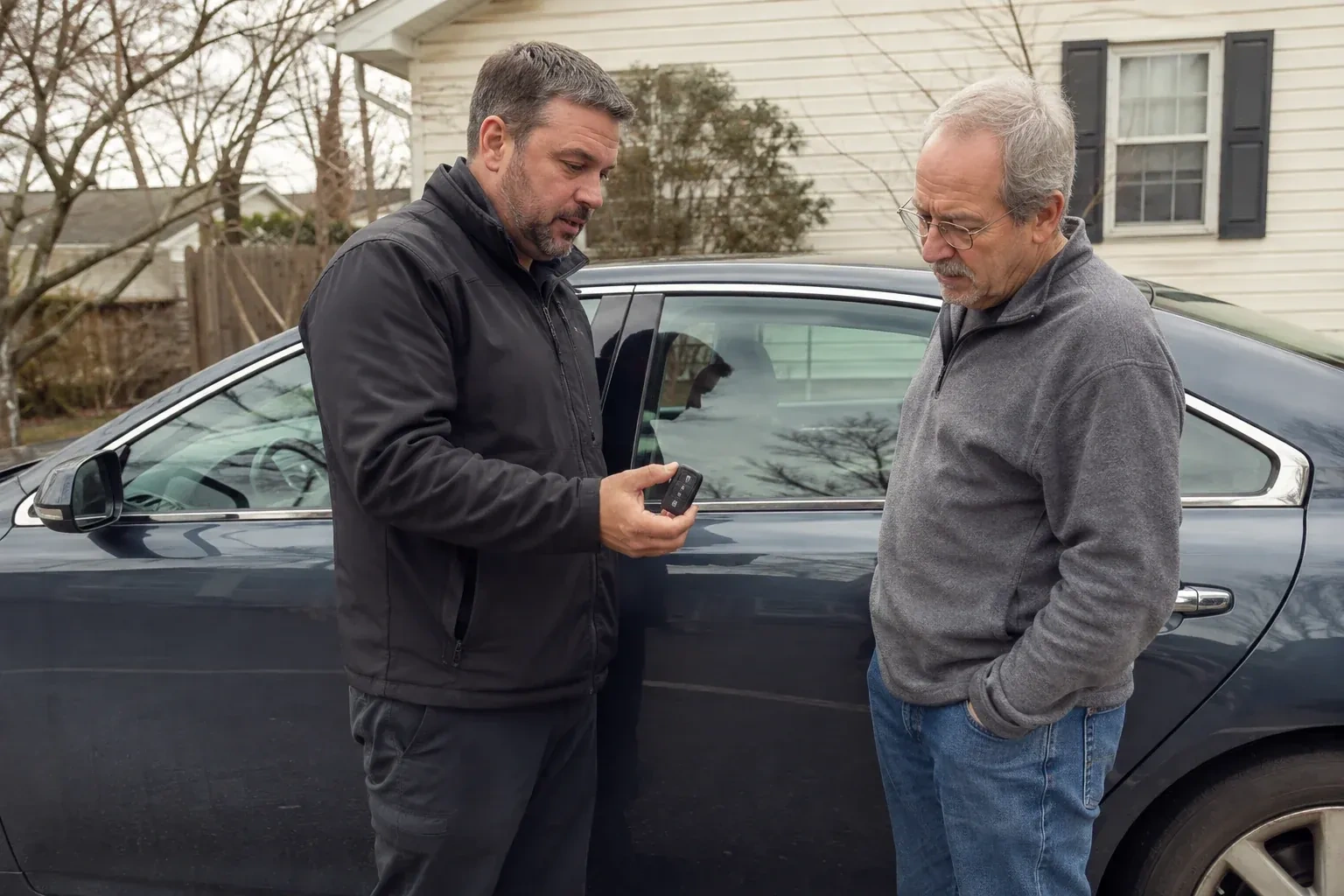
Before any lock is touched, the locksmith confirms that the person requesting a key has a real connection to the machine: vehicle registration, an insurance document that matches the plate, or a bill of sale for a recent purchase all work. Where paperwork is not on hand, a dealership record, a family member who can vouch for the owner, or a photo of the machine alongside identification often fills the gap. This step takes only a few minutes and stands ahead of any cutting, decoding or programming, since a working key is something that should only ever go to the person meant to hold one.
Pairing a new transponder
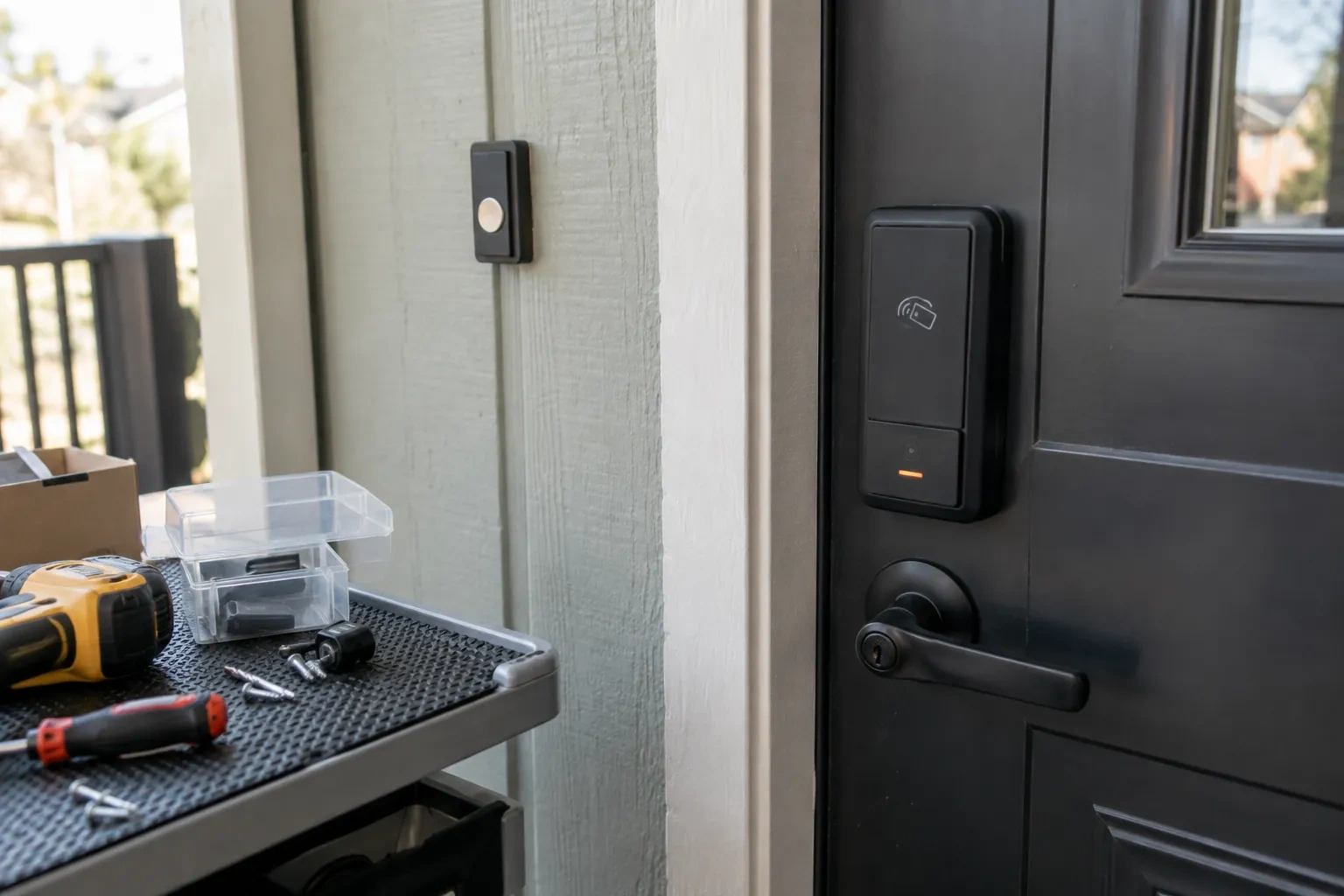
A machine with an immobiliser needs its electronics satisfied as well as its lock. Using either a remaining working key or programming equipment built for that system, the locksmith teaches the vehicle's module the new transponder's code where that system supports it, though some manufacturers require their own code key and a dealer procedure instead. The mechanical cut and the electronic pairing are separate steps and both have to succeed: a key can be shaped correctly and still fail to start the engine if the chip inside it was never taught to the machine, which is why this step is tested with a full engine start rather than just a turn of the switch.
Noticing trouble early
A key that has begun needing a small wiggle or a lift to turn, on a lock that used to accept it cleanly, is an early sign worth acting on before it becomes a lock that will not turn at all. The same goes for a steering lock that has started to feel stiffer than it used to, or a seat latch that catches before it releases. Addressing any of these while the key still works, rather than after it stops working altogether, is usually the calmer of the two visits.
Motorcycle & Scooter Keys
In the van
Wafer lock decoder
Transponder programming unit
Code-cutting machine
Replacement ignition or steering lock
Manufacturer-approved lock cleaner or lubricant
Motorcycle & Scooter Keys
What affects the quote
Number of locks on the machine
A single ignition lock is the simplest case. A machine with a separate seat, fuel cap and storage lock involved is a longer visit with more hardware to read, cut and test.
Number of new keys cut
Keys cut on site are counted individually. Two for a rider and a partner, or several for a household that shares the machine, is reflected directly in the total.
Sourcing an uncommon key blank
Some keyway profiles are harder to source a matching blank for than others, particularly on older or less common machines, and locating the right blank can add to the time before cutting even starts.
What to have ready
- Which locks need to be included: ignition, seat, fuel cap, storage?
- How many keys would you like cut in total?
- Do you have registration or a bill of sale on hand?
Motorcycle & Scooter Keys: questions
QuestionsMy steering lock seized up over winter storage. Can that be fixed without a whole new lock?
Usually, yes. The cleaning method the lock's own maker directs, along with gentle, repeated working of the mechanism, frees many steering locks that have simply seized from disuse or corrosion, without needing to force the key or replace the lock. Only a lock that is cracked, badly rusted internally, or damaged by an earlier forced attempt tends to need full replacement rather than freeing and lubricating.
Should I get a whole new ignition switch or just a new key?
That depends on the lock's condition rather than the key alone. If the wafers and springs inside are still sound, a correctly cut key restores normal operation without any hardware changed. A lock with worn-oval wafers, a cracked housing, or damage from an earlier forced attempt is better replaced outright, since a new key cannot compensate for parts that have physically worn or broken.
Can you cut a key for an older or vintage motorcycle?
Yes, provided the lock or an existing key survives to read from. Older mechanical locks are generally simpler than current wafer or transponder systems, and a locksmith familiar with vintage keyways can often decode or duplicate them the same way as a newer lock. Where a replacement lock is genuinely needed rather than a key, sourcing period-correct hardware can take longer than the key work itself.
Related services
- Car Key ReplacementThe engine cranks, catches for a second and dies, and a small key-shaped light keeps blinking on the dash.
- Spare Car Key DuplicationA teenager just passed a driving test and reasonably wants a key of their own rather than negotiating over the family's single copy every time the car is needed.
- Key Fob ProgrammingA new driver has joined the household, and the one existing fob is the only key anyone has ever had cut for this vehicle.