Car keys · Toronto
Ignition Lock Repair
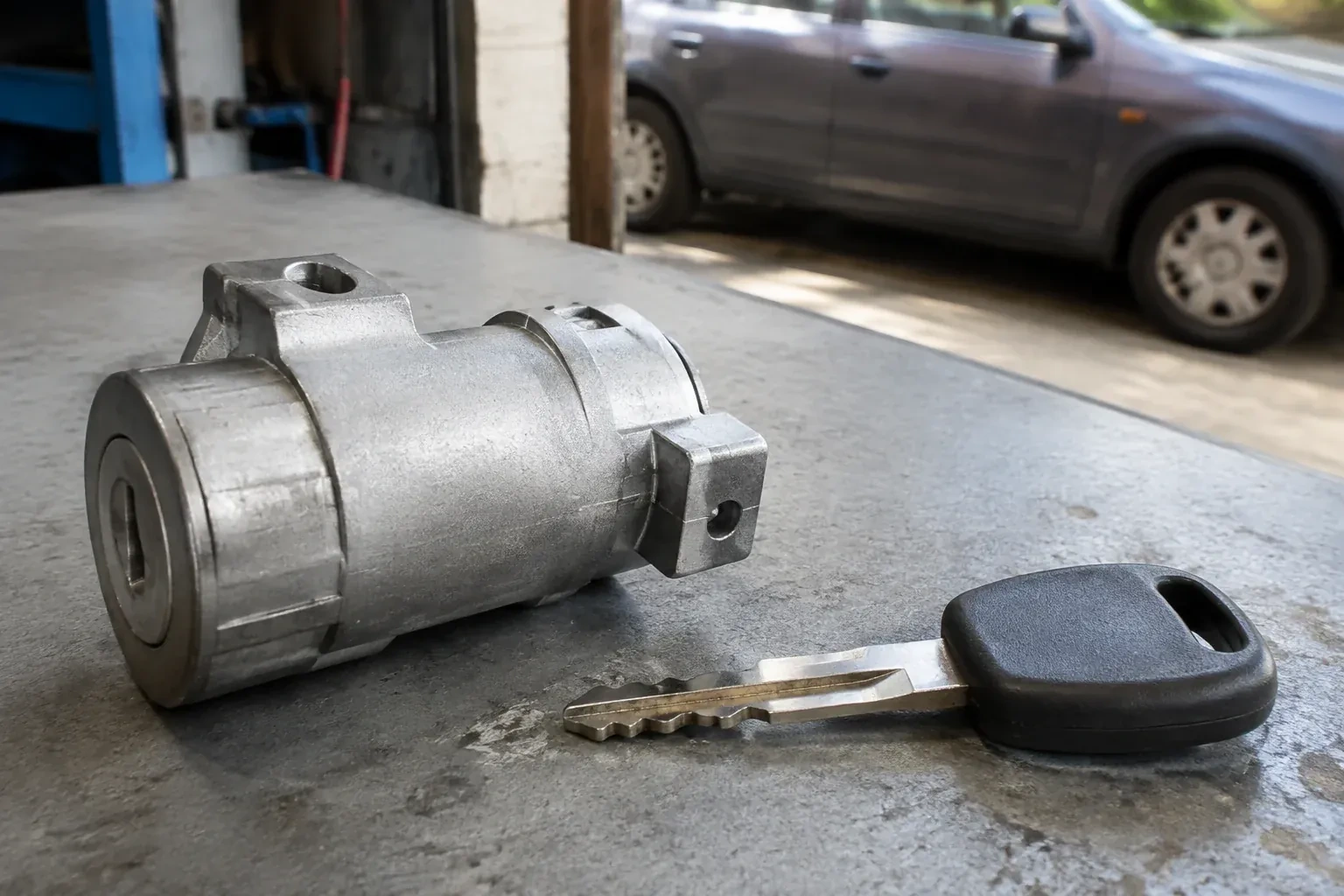
After a slushy week the key barely reaches accessory before it stalls, gritty and reluctant, where it used to move cleanly through every position.
In plain words
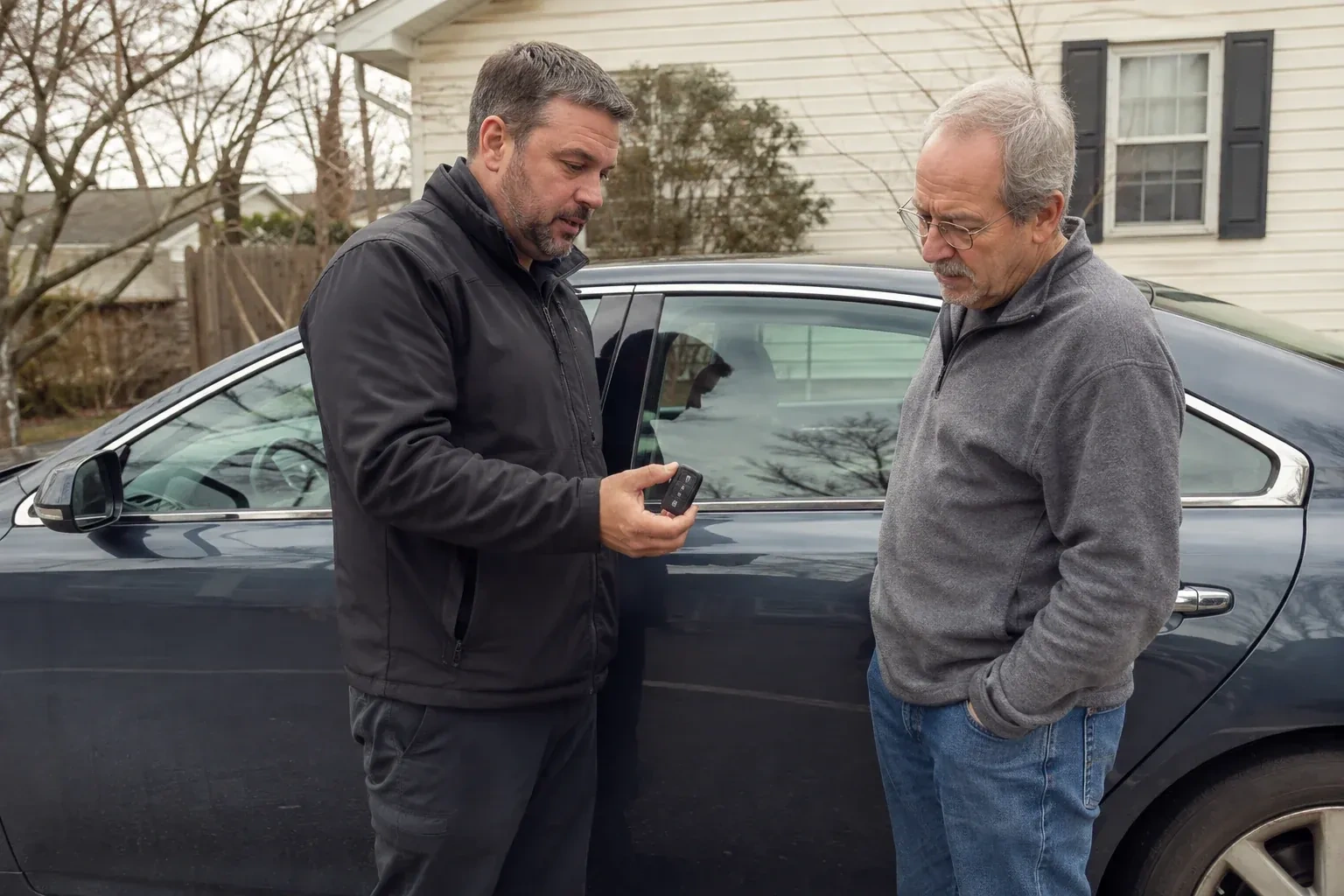
Most ignition lock work happens where the vehicle already is, a driveway, a parking lot, a curb, rather than requiring a tow to a shop first. The locksmith brings cylinder decoders, extraction tools and repinning equipment to the vehicle, assesses the mechanism in place, and works through accessory, on and start until the barrel turns the way it should. A shop visit only becomes necessary when the fault turns out to be electronic rather than mechanical.
How the visit goesTurning the key used to take one smooth motion. Lately it grinds partway through, sometimes needing a second attempt, and yesterday it stopped reaching start altogether. The key itself looks the same as always; something inside the ignition has changed instead.
Ignition Lock Repair
How the visit goes
Reading the exact symptom
The next question is about behaviour, not diagnosis. Does the key insert at all? Does it turn partway, all the way, or not at all? Does it turn without the steering lock releasing, or without the dash lighting up? Is it stuck, unable to come back out once the engine is off? Each answer points somewhere different inside the mechanism, and a locksmith who hears the exact sequence before arriving brings the right decoders, extraction tools and replacement parts rather than guessing from a general description that the key just does not work.
Servicing the cylinder in place first
The first option is always the least invasive one: cleaning out the keyway, freeing a wafer that has stuck in a raised position, and lubricating the mechanism so the existing cylinder goes back to turning the way it should. This keeps the original hardware on the vehicle and avoids cutting a new key altogether when the fault turns out to be wear or contamination rather than a broken part. Only when this fails to restore normal behaviour does the barrel come out of the column.
A little care that keeps the barrel turning smoothly
A cylinder that has just been serviced benefits from the same light touch that kept it healthy in the first place: whatever lubricant the vehicle's own service information calls for worked into the keyway every so often, since some ignitions specify grease rather than a dry product. Wipe debris off the key itself before each use, and retire a key that has started to look rounded or thin, well before it becomes the reason for another visit.
Ignition Lock Repair
In the van
Dry graphite or PTFE lubricant
Key code reader
Steering column trim tools
Cylinder decoder
Ignition lock cylinder
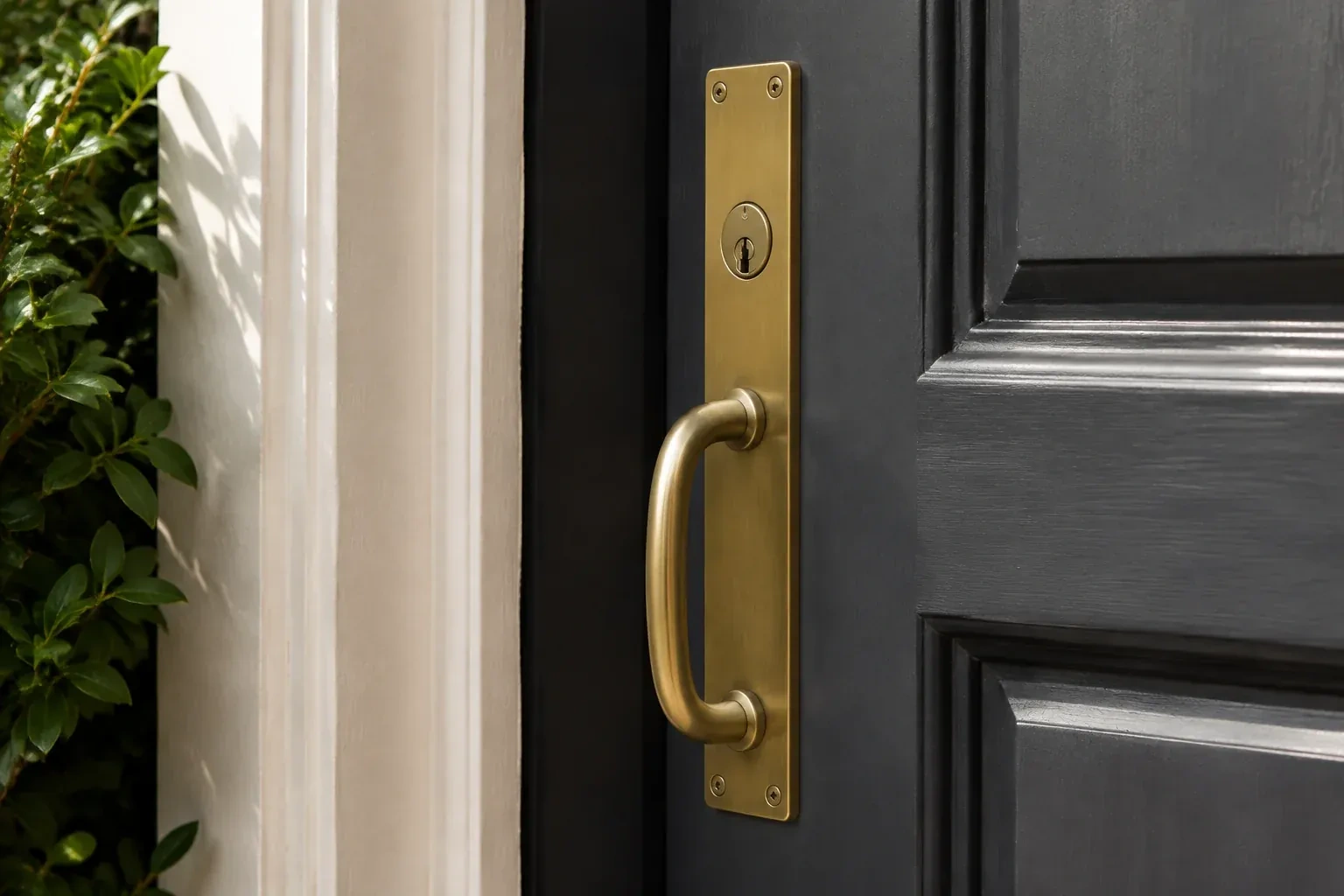
Ignition Lock Repair
What affects the quote
Confirming ownership on a recently purchased vehicle
A vehicle bought used, with incomplete paperwork or an unclear ownership history, takes a little longer to verify before any work begins, compared with a vehicle whose registration and owner are already on file.
Weather and road conditions on the day
A barrel packed with road salt, grit or old grease from a rough season takes longer to clean and free than one that has simply worn with ordinary use over the years of driving.
Whether a working key is available
A repair that starts with a working key to test against and pin the new cylinder to is more straightforward than one starting from a key that is lost, badly worn or entirely absent from the household.
What to have ready
- Is any part of a key broken off inside the ignition?
- Has anyone already tried to force the lock?
- Would you like extra keys cut during the same visit?
Ignition Lock Repair: questions
QuestionsMy car is older and uses a plain metal key. Can the ignition still be repaired?
Yes, older mechanical ignitions are generally straightforward to service, since there is no transponder chip or immobilizer layer to work around. Worn wafers, a tired spring, or a housing that has loosened over the years are addressed directly, and a fresh key is cut from the current pinning or the vehicle's key code once the barrel itself has been sorted out.
What is the difference between this and being locked out of my car?
A lockout is about getting into a vehicle that is closed against you; ignition lock repair is about the mechanism the key turns once you are already inside or once the door is open. The two sometimes happen together, a stuck ignition can follow a lockout, but a working ignition and a locked door are separate problems with separate tools and separate visits to arrange.
Are there tools that shouldn't be used to try to free a stuck ignition?
Pliers, screwdrivers used as levers, and excess force in general tend to bend the key, mark the housing or snap something inside the barrel rather than resolve the underlying wear. A stuck ignition responds better to being read and serviced with tools built for the mechanism than to being pried at, so it is worth waiting rather than working through it alone.
Related services
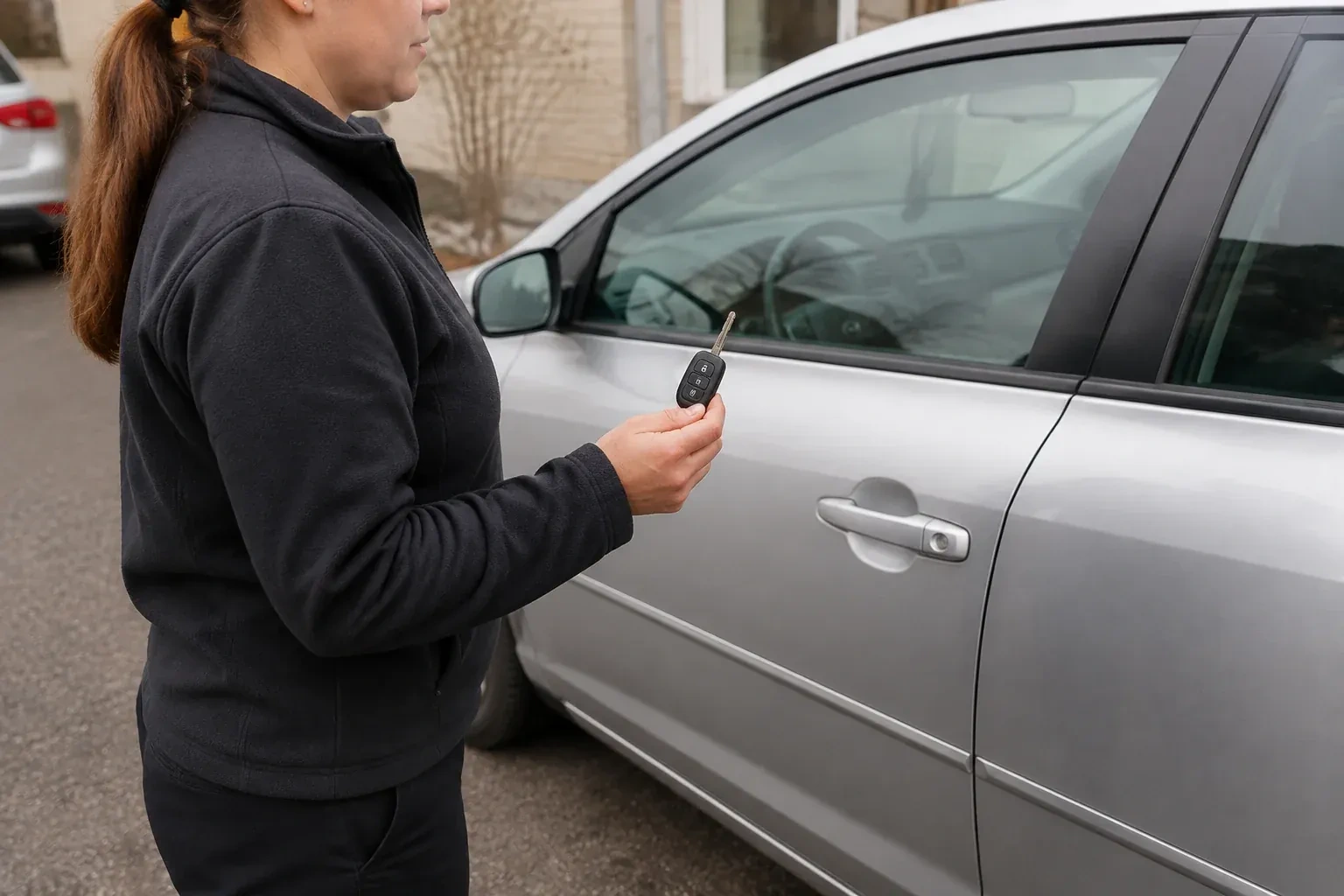
- Car Key ReplacementThe engine cranks, catches for a second and dies, and a small key-shaped light keeps blinking on the dash.
- Spare Car Key DuplicationA teenager just passed a driving test and reasonably wants a key of their own rather than negotiating over the family's single copy every time the car is needed.
- Key Fob ProgrammingA new driver has joined the household, and the one existing fob is the only key anyone has ever had cut for this vehicle.