High security · Toronto
High Security Locks
You run a home office with client files and equipment, and your insurer has asked what kind of lock is on the door.
In plain words
A high security cylinder is rated by independent laboratory testing that times how long it holds out against picking, impressioning, drilling, prying and wrenching. The lock body and deadbolt carry a separate hardware grade for strength, cycle life and finish. A locksmith reads those ratings for you and matches them to your door, because a rating on the box means nothing if the door frame is thin or the bolt barely enters the jamb. The visit usually ends with a heavier deadbolt, a reinforced strike fastened into the framing and a cylinder whose keys cannot be copied at a kiosk.
How the visit goesYou jiggle the key a little and the old deadbolt opens even when the cut does not look quite right. If your worn key can do that, you wonder what a stranger with the right tools could do.
High Security Locks
How the visit goes
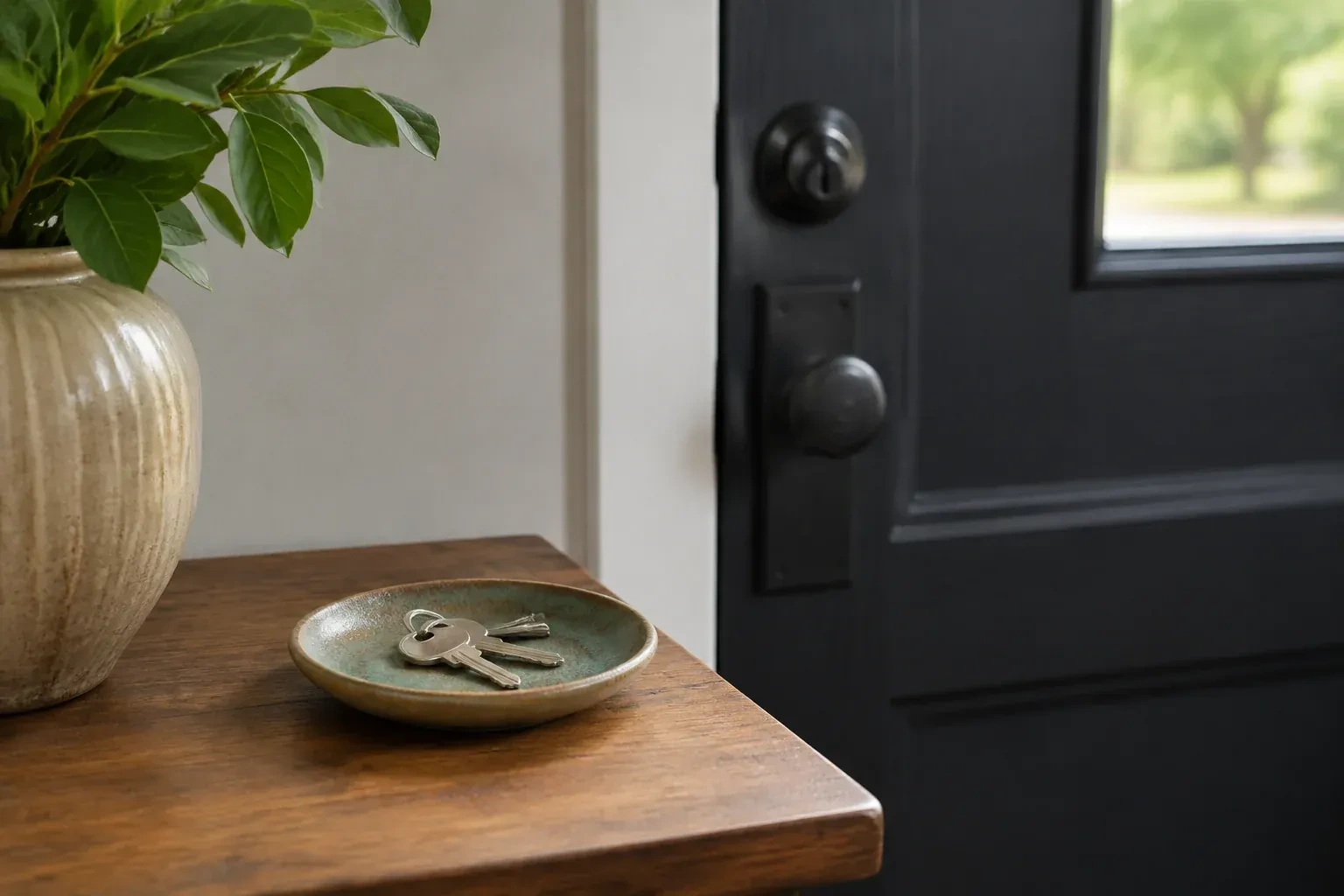
What the door is protecting
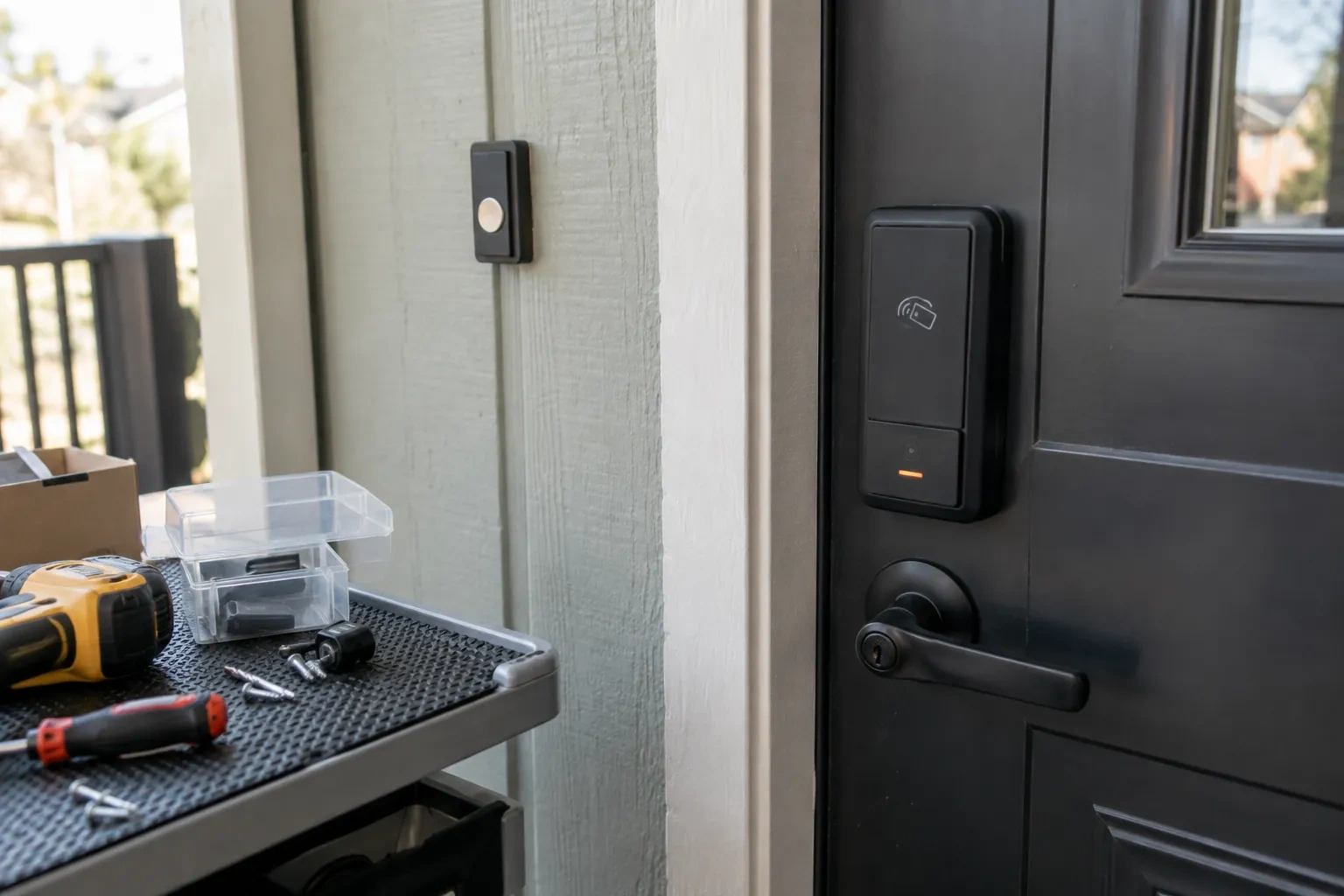
The assessment starts with a question rather than a tape measure: what is behind this door, and what has made you think about it now? A front door on a family home, a stockroom with prescription drugs and a server closet in an office carry different risks and deserve different levels of hardware. The locksmith also asks who has keys today and how sure you are of that count. Those answers decide whether the right answer is a graded deadbolt with a controlled key, a laboratory-rated cylinder in a heavy lock body, or a small keyed system across several doors. Spending goes where the risk actually sits.
Reinforcing the strike and frame
The strike is where a forced door actually fails, so it gets serious attention. The stamped plate comes off and the pocket is deepened to accept a box strike or a long reinforced strike, fastened with three-inch screws that pass through the jamb into the wall framing. Stripped or split wood is filled and doweled first so the screws have something to hold. Where the frame is thin, a wrap-around reinforcer around the door edge and a full-length jamb plate are options. The result is a bolt that ties the door into the house rather than into a strip of trim.
Looking after a precision cylinder
High-security cylinders are finer mechanisms than the pin tumblers they replace, and a little care keeps them turning sweetly. Use only the dry lubricant the locksmith recommends, once or twice a year and sparingly, and never household oil, which gathers grit around the finger pins and sidebar. In cold weather, if the key resists, warm it in your hand or use a de-icer rather than forcing it. Insert the key fully before turning. Keep a spare key indoors so a bent or worn key is retired rather than pushed on. Treated this way, the cylinder outlasts the door around it.
High Security Locks
In the van
Graded deadbolt with hardened bolt
High-security cylinder
Hardened cylinder guard ring
Commercial mortise lock body
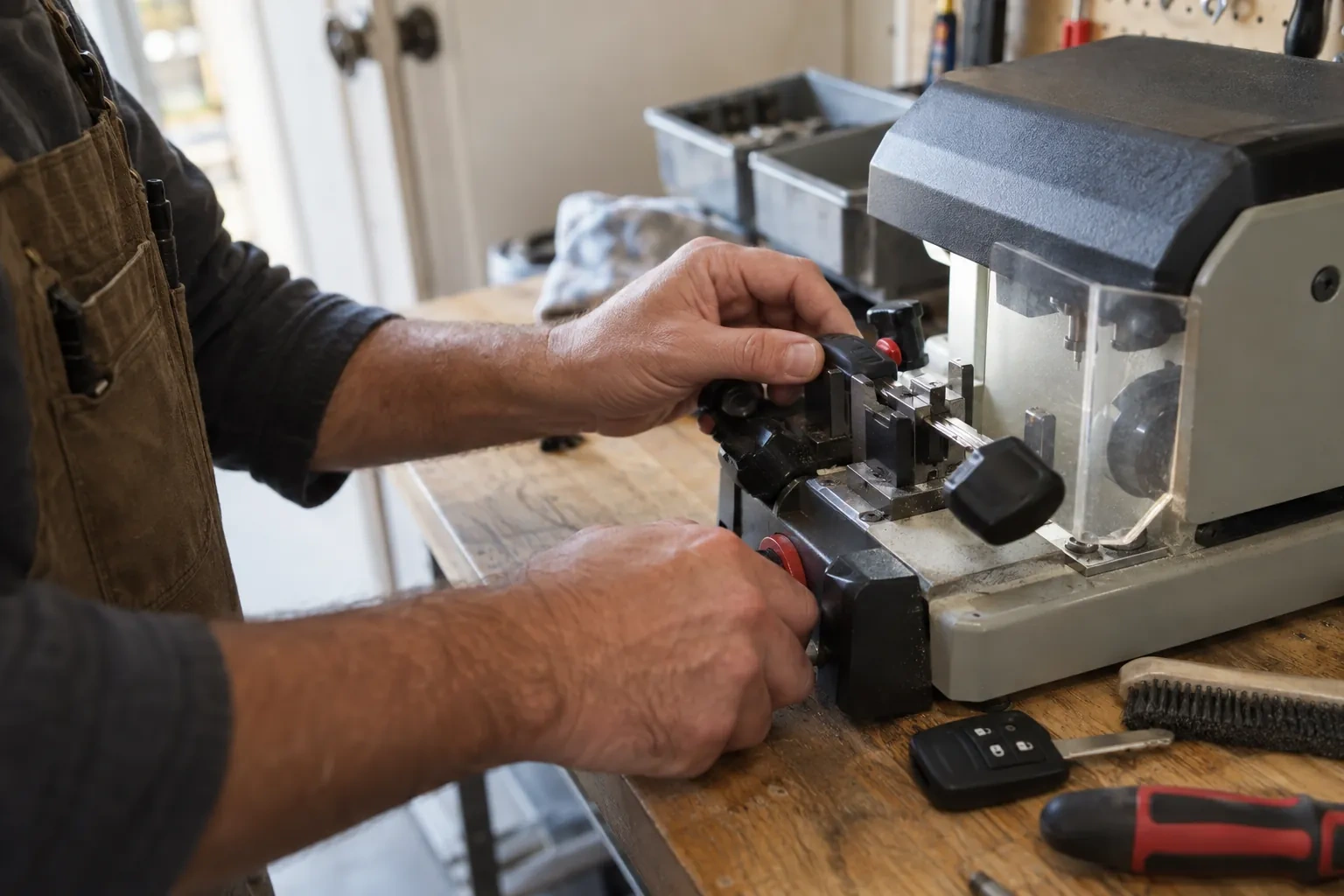
Code key cutting machine
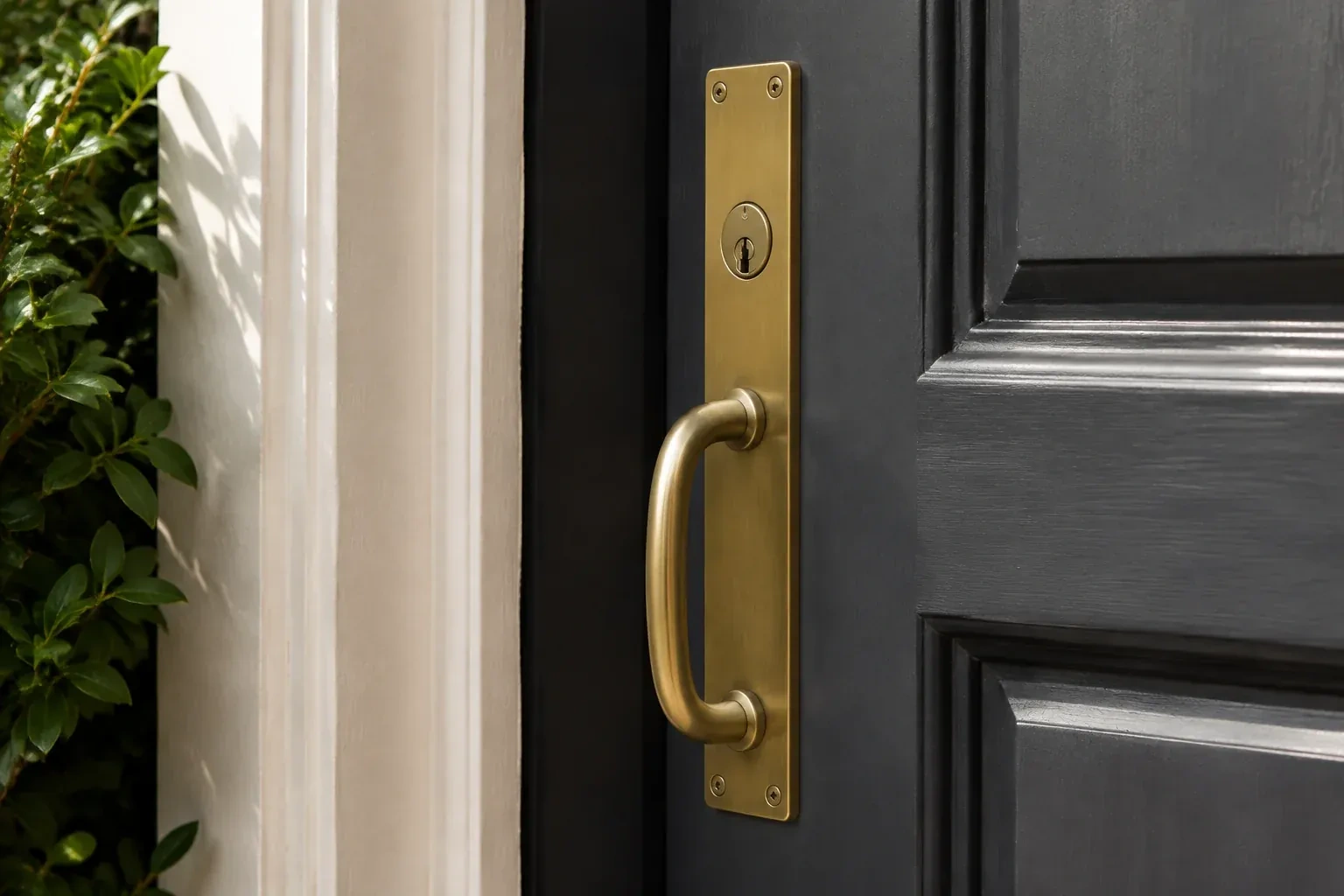
High Security Locks
What affects the quote
Condition of the door itself
A solid door that hangs true takes hardware straight away. A dropped, swollen or hollow door may need hinge work, shimming or a recommendation to replace the slab before the lock is worth fitting.
Retiring the old keyway
If other doors stay on the old key for now, they may need rekeying so an unknown copy has nowhere to go; that is additional cylinder work alongside the upgrade.
Key control level
A patented keyway with authorisation cards covers most homes. Geographically exclusive keyways and signature-controlled systems for businesses carry registration and administration that show in the quote.
What to have ready
- Does the door have a closer, push bar, alarm contact or keypad on it already?
- For a business, who should be allowed to authorise new keys?
- Does the door drag, stick in cold weather or need lifting to lock?
High Security Locks: questions
QuestionsCan a high security cylinder be rekeyed later?
Yes. Like any pin tumbler it can be repinned to a new combination by a locksmith who holds the system, so a departed employee's key can be retired without replacing hardware. Some lines use interchangeable cores that swap in moments with a control key, which suits businesses with frequent turnover. Rekeying stays within your registered keyway, so the key control you paid for continues after the change.
What should I do when a controlled key is lost?
Tell your locksmith so the register is updated, then decide together what the loss means. If the key was lost with nothing identifying your address, the practical risk is low and many people simply strike it off. If it went missing with identification or from a known person, the affected cylinders can be repinned so that key stops working while the rest of the system continues. Because the keyway is controlled, you know that no further copies exist.
Can all my doors be on one key?
Yes, and most homes ask for exactly that. Every exterior cylinder is pinned to the same combination so one controlled key opens the front, back, side and garage entry. A gate or shed padlock on the same keyway can join it. For businesses, the same keyway can carry a small master system where staff keys open only their areas and a manager key opens everything. The keying plan is agreed before any pinning is done.