Locksmith in Lansing, OntarioSticking lock?Worn key? Sorted.
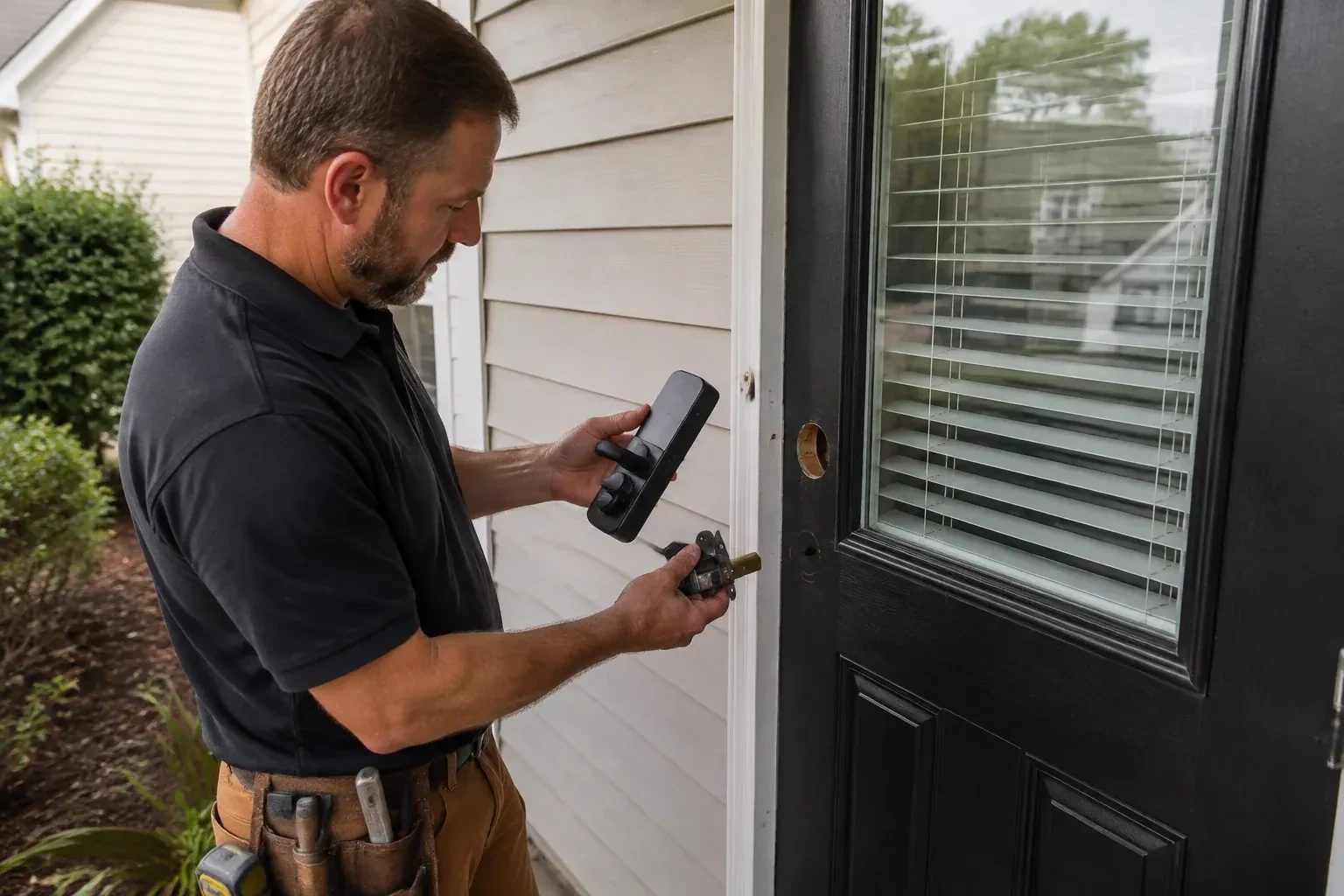
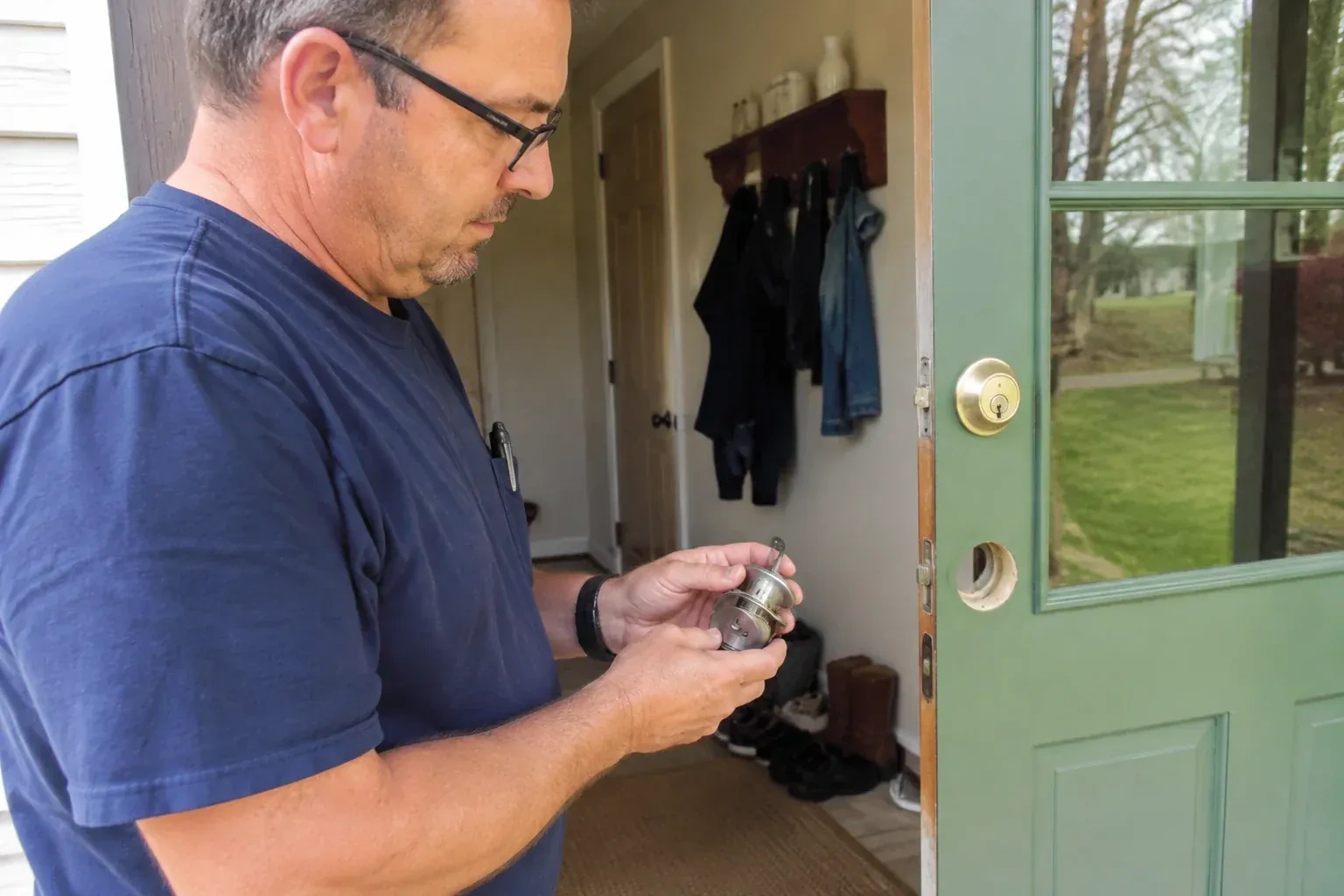
A key that needs jiggling, a bolt that only throws when you lift the handle, a cylinder that spins loose in the door. These are small annoyances in Lansing homes that become lockouts if ignored. We tune, rebuild or swap the part at fault and leave the door working like it did when it was new. This page also covers North York.
A key that needs jiggling, a bolt that only throws when you lift the handle, a cylinder that spins loose in the door. These are small annoyances in Lansing homes that become lockouts if ignored. We tune, rebuild or swap the part at fault and leave the door working like it did when it was new. This page also covers North York.
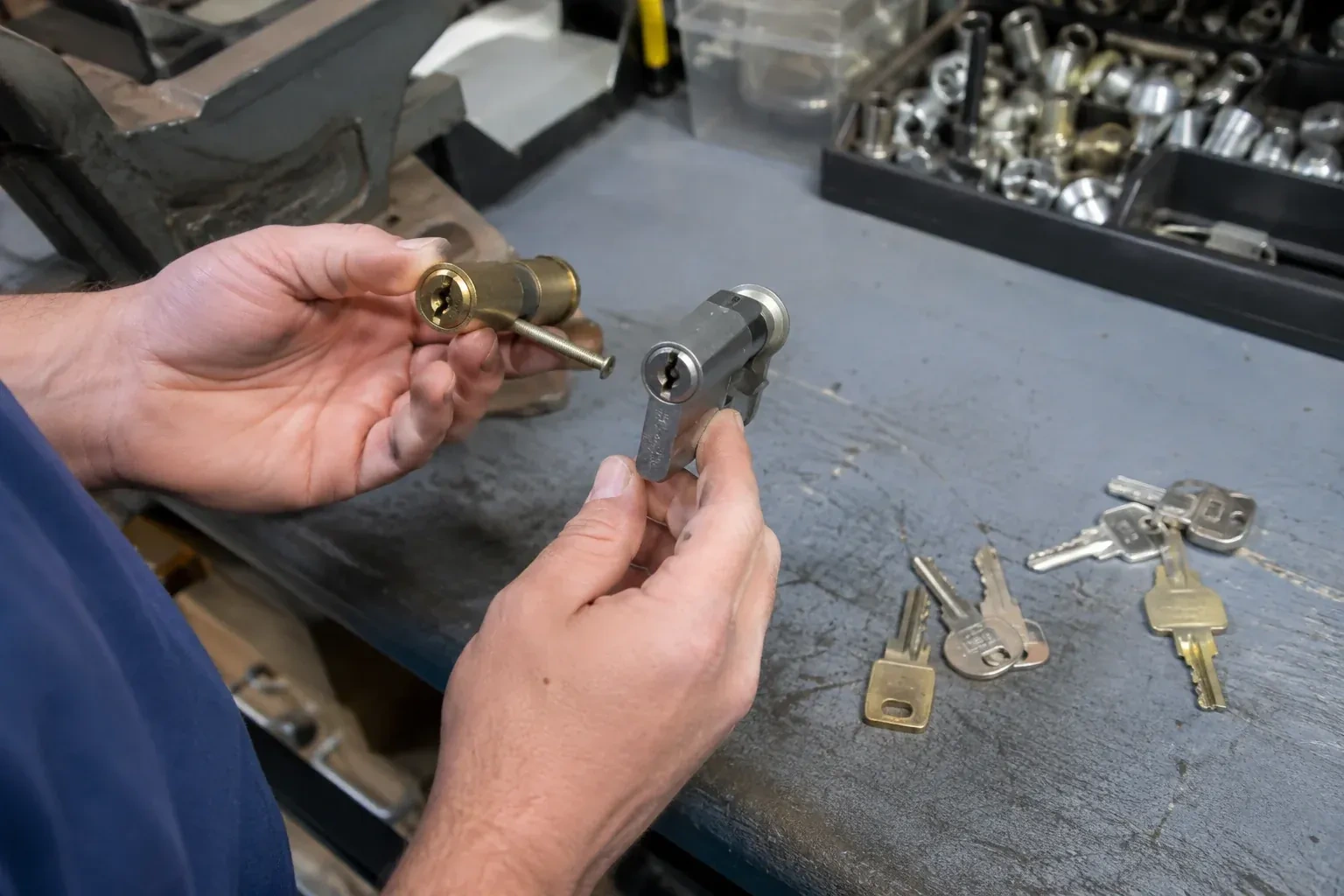
Careful work on every kind of lock.
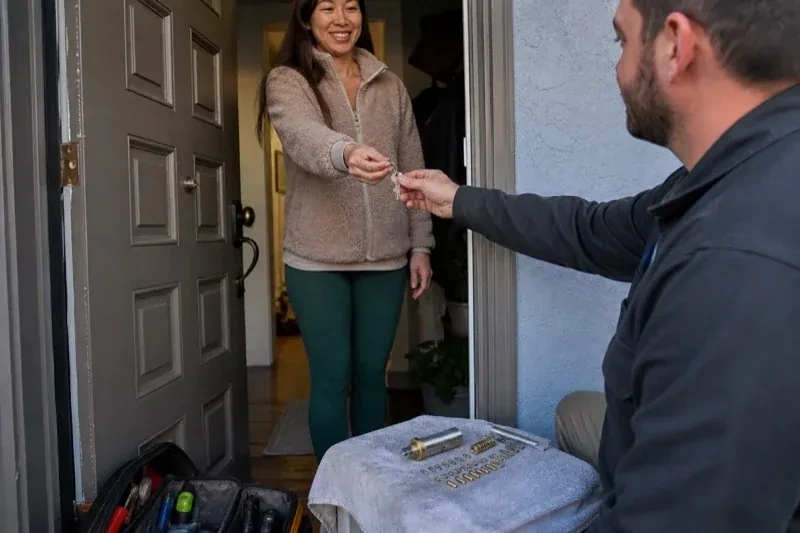
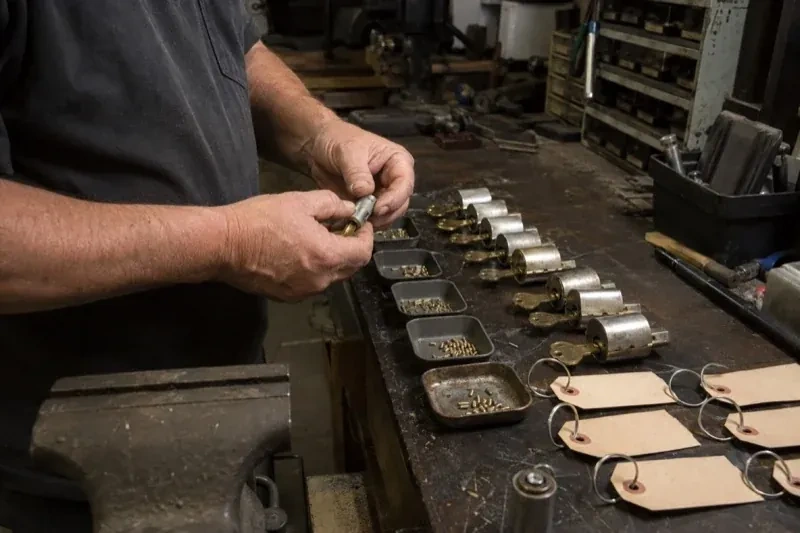
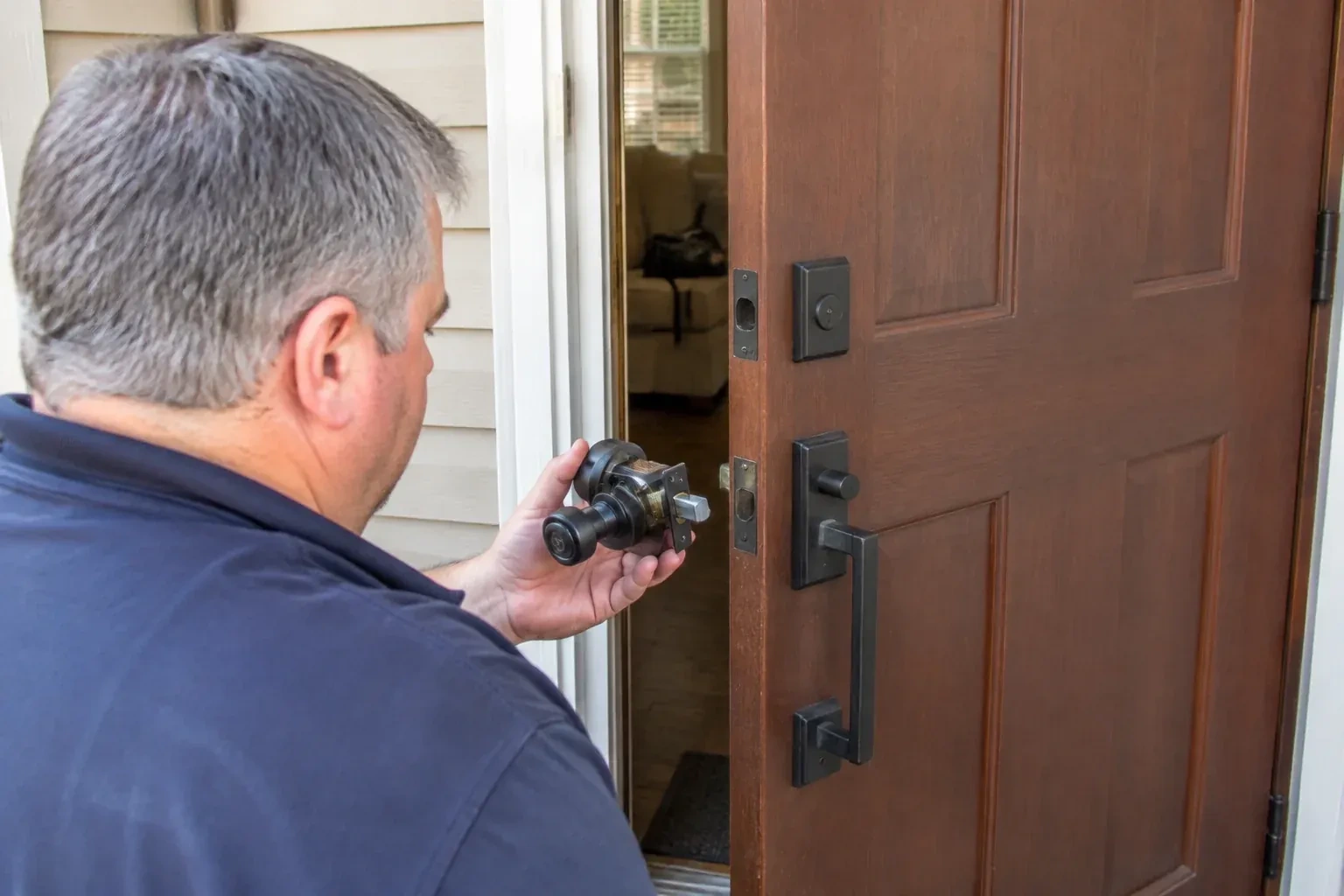
Lock work makes brass shavings, sawdust and small parts that roll under furniture. In Lansing homes we lay a drop sheet, catch what falls, and vacuum before we go. The door gets wiped down, the old keys are handed back or taken away as you prefer, and the only sign we were there is a lock that turns without complaint.
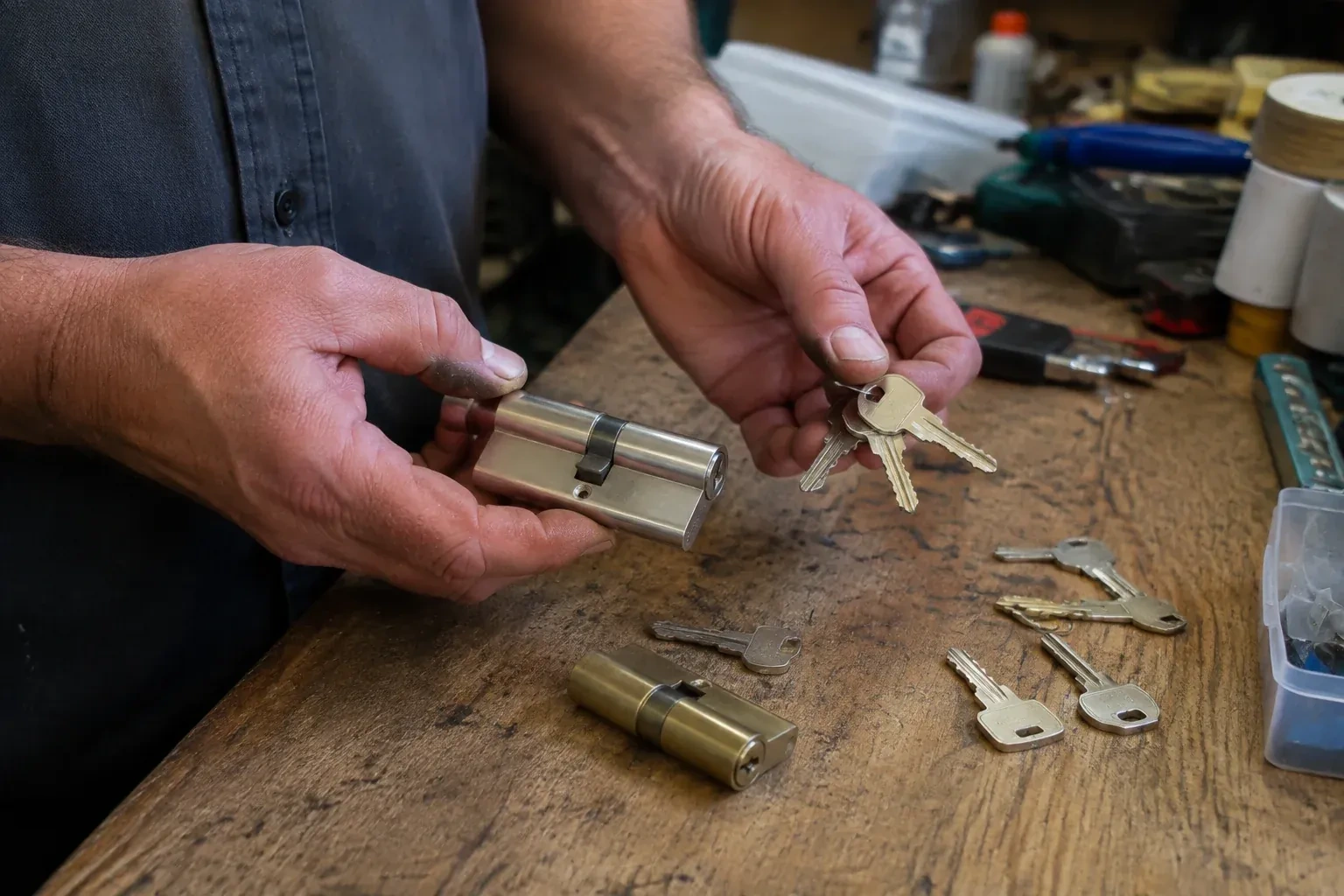
Homeowners in Lansing call us most often for rekeying after a move, deadbolts that have started to grind, and the occasional key that has snapped in the cold. We know the door styles common to the neighbourhood and carry the cylinders and strikes that suit them. Every visit begins with a look at the whole door, because alignment fixes more problems than new hardware does.
19years in business
24/7open every day
Straight talk about your options. We describe what each choice does and what it asks of you in effort, disruption and future flexibility, so the decision is yours.
Work explained as it happens. If you want to watch, we tell you what each step is for. If you would rather make a coffee, we give you the summary at the end.
Tidiness as standard. A lock change should not leave a mess. We bring what we need to keep the door area clean and we leave it that way.
Whether you own a home in Lansing, run a shop or manage a few rental units, the lock services here are organised the way people actually ask for them. Start with the problem you have today, and read on to see what else on the door might deserve a look while a locksmith is already there.
About 58% of homes in Toronto were built in 1980 or earlier, according to the 2021 Census.
Older homes
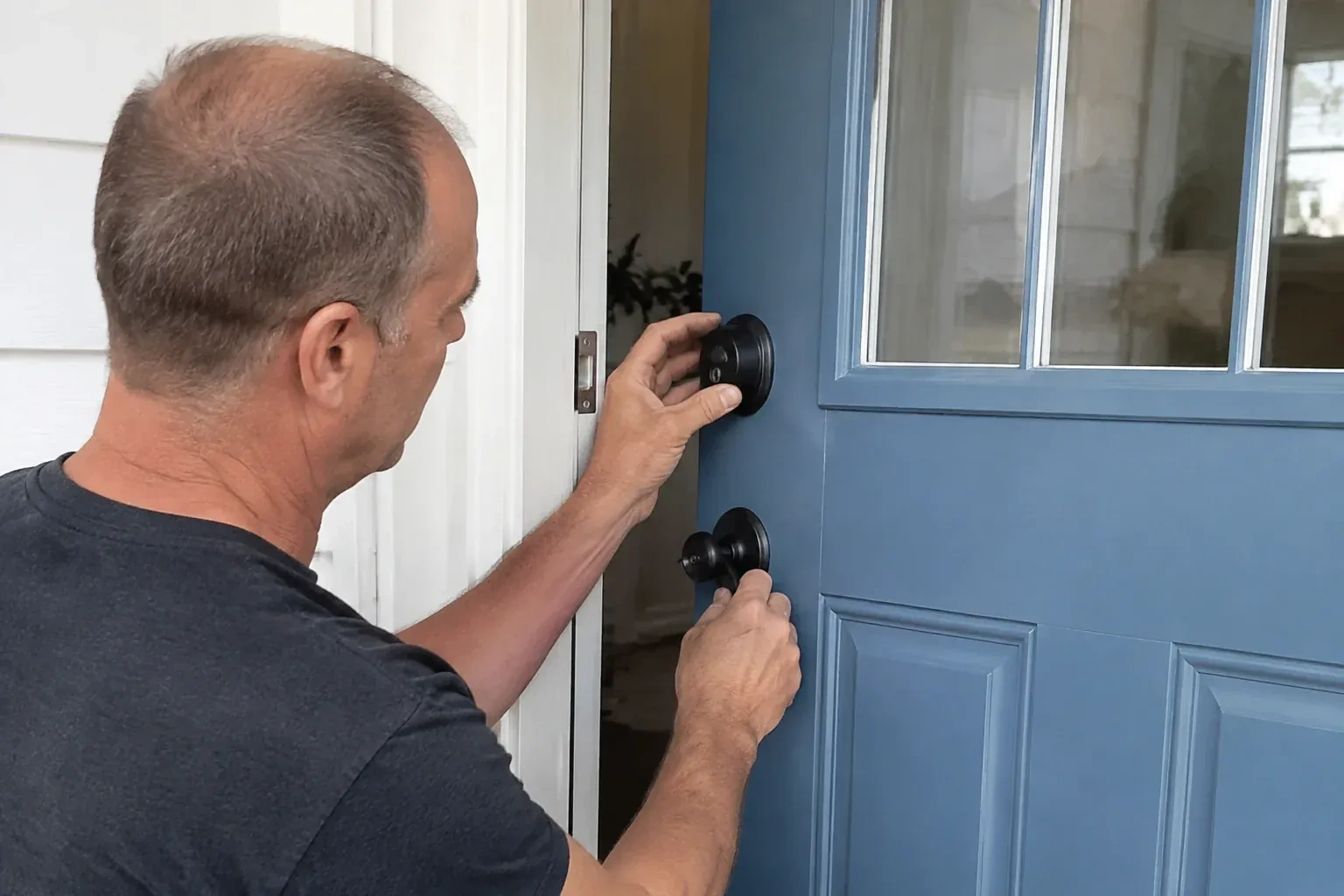
Where housing is mostly older, many entries still have only a knob lock and no deadbolt at all. Adding one is a straightforward job on a solid wood door, and it is the single upgrade that changes most for a house of this kind.
Single-detached houses make up about 23% of homes in Toronto (2021 Census).
In buildings, the suite door often has a closer and a heavy frame, and the deadbolt sits in a metal or metal-clad door. A locksmith fitting or rekeying one brings the tools and cylinders that suit that construction rather than a wooden house door.
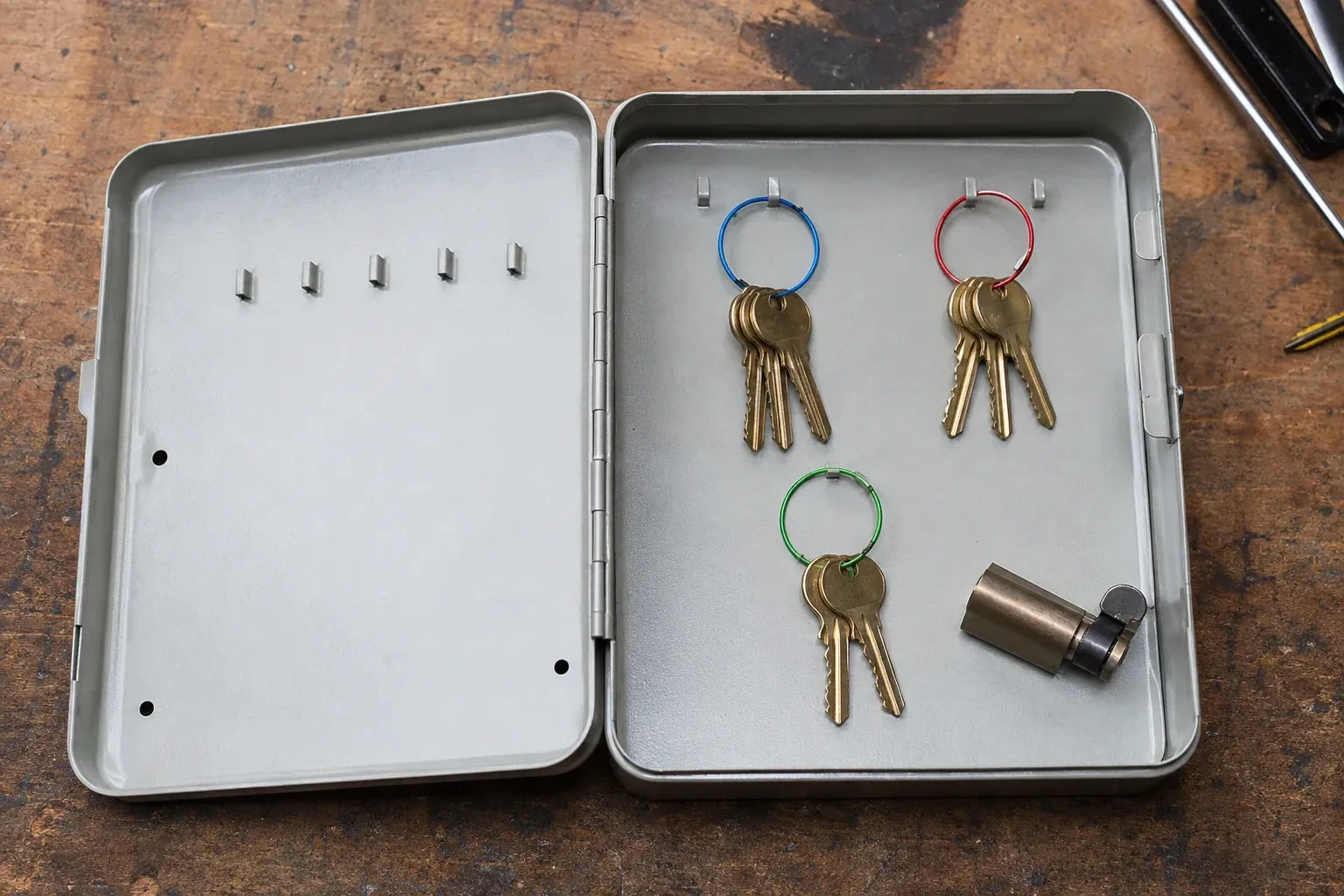
Losing count of keys is the reason most people finally ask about restricted systems. Once every key is numbered and every copy passes through you, the count stays right, and the worry about old copies goes away for good.
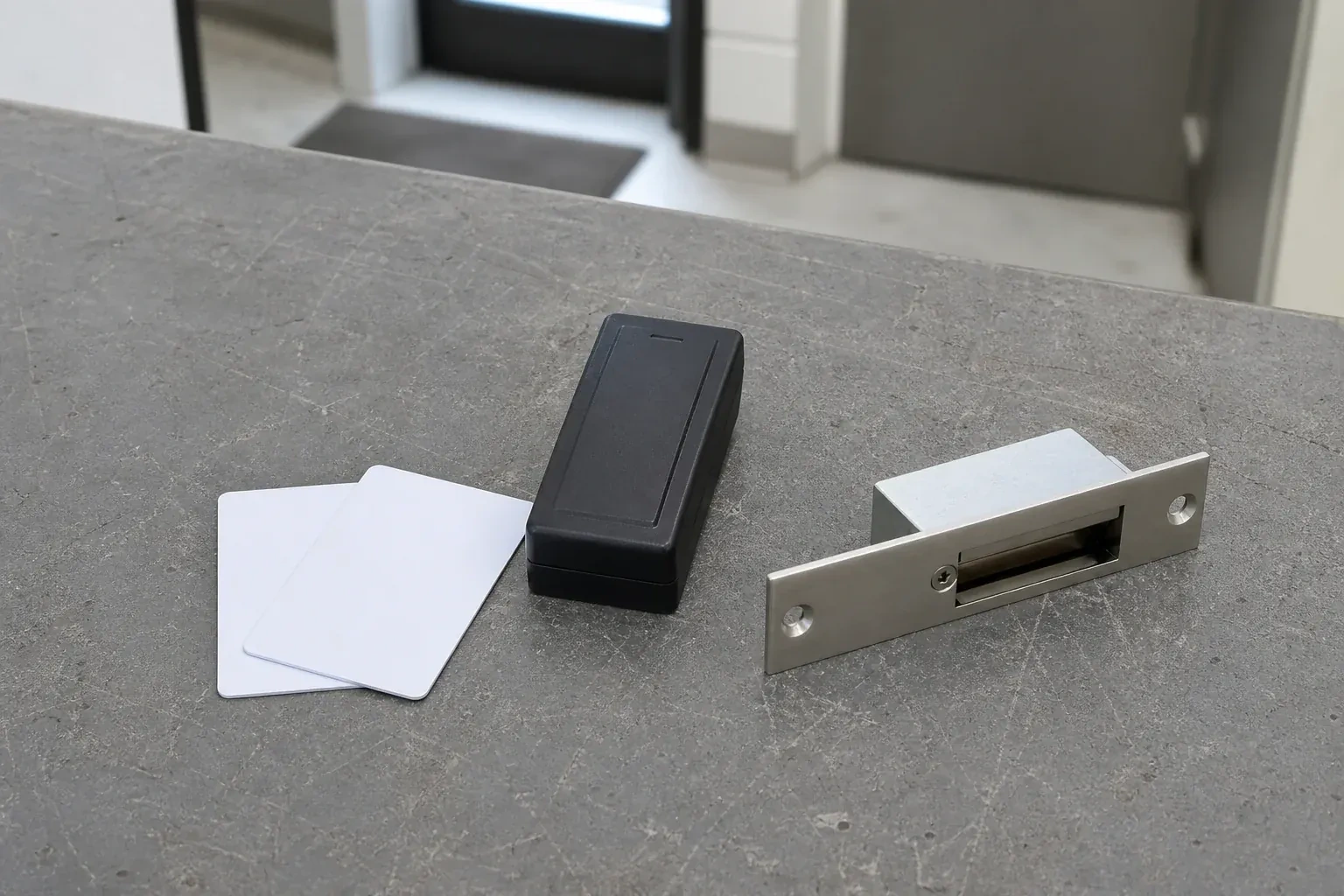
Commercial work is measured by how little the business notices it. Doors keep opening for staff, keys stay accounted for, exits release cleanly and the manager knows who can go where. These pages describe how we bring a premises to that state.
The pharmacy's drop safe has a keypad that finally lost power for good, and the little override key that was supposed to live behind the counter cannot be found anywhere.
The keypad on the office safe blinks a low-battery warning every morning now, and whoever notices it first quietly hopes someone else deals with it before the batteries finally give out mid-week.
WhyChanging the locks answers today's question; key control keeps it answered.
Deliveries arrive before anyone is scheduled to be there, which right now means either propping the loading dock open at dawn or handing a key to a driver you have never met.
WhyThe installation is not finished when the last door is wired; it is finished once the business can run the system without the locksmith standing there.
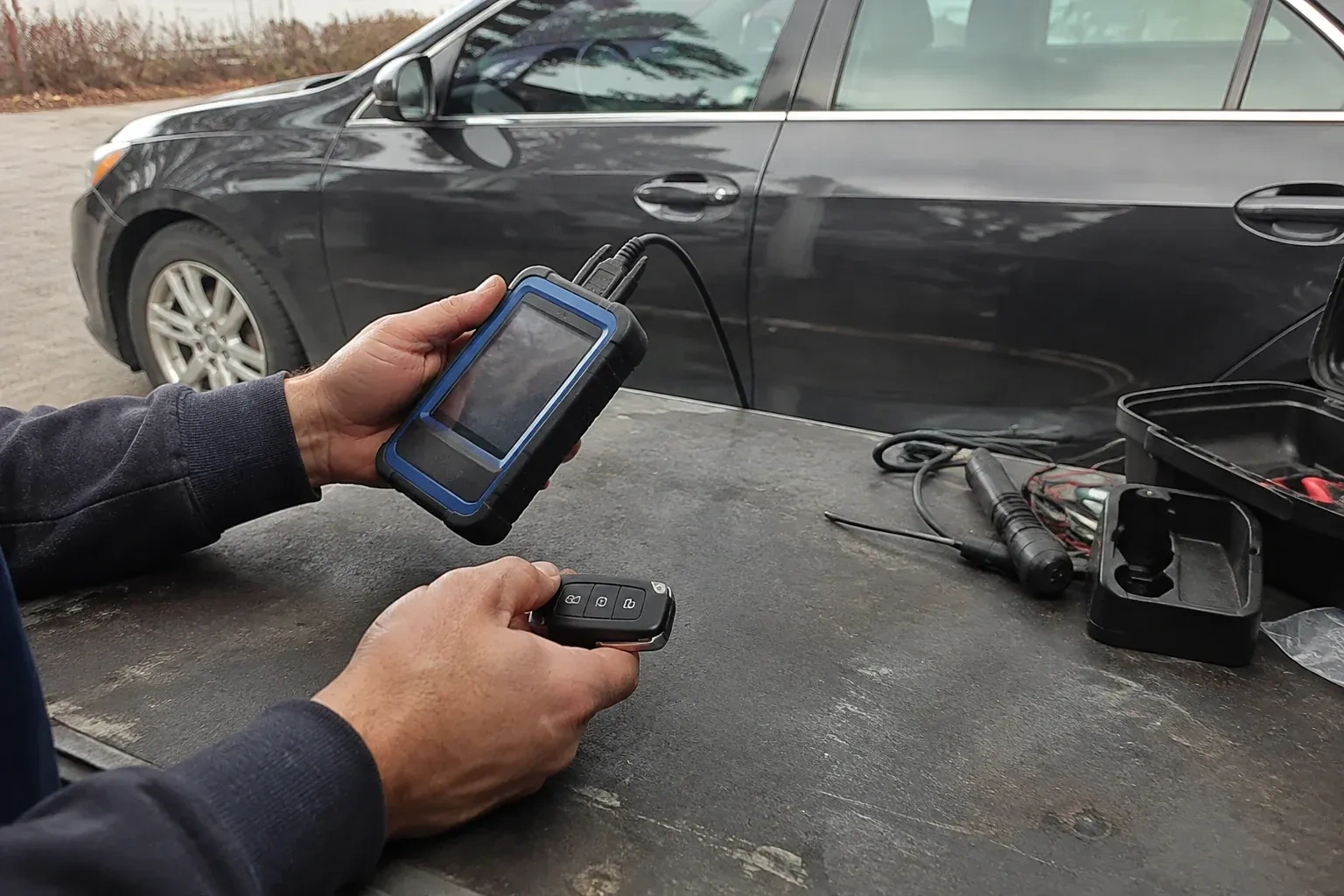
Since the remote starter was installed last month, the original key has started acting strangely, the car catches on the first turn some mornings and refuses outright on others.
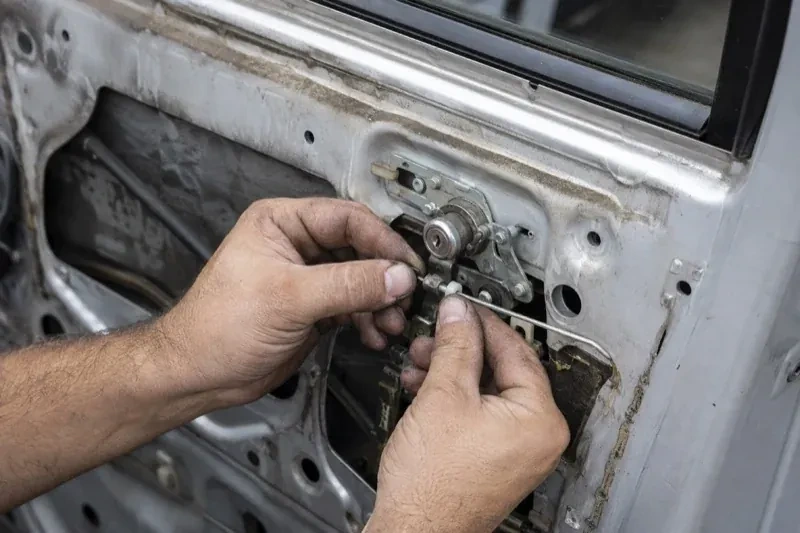
WhySome vehicle lock faults are entirely mechanical, a cylinder worn from years of use, a linkage rod that slipped off its clip, while others sit in the electrical side: a tired actuator motor, a corroded connector, or a coin battery inside the key fob that has finally run flat.
Good days. Start with a turn.
1/9Break-In Damage Lock Repair
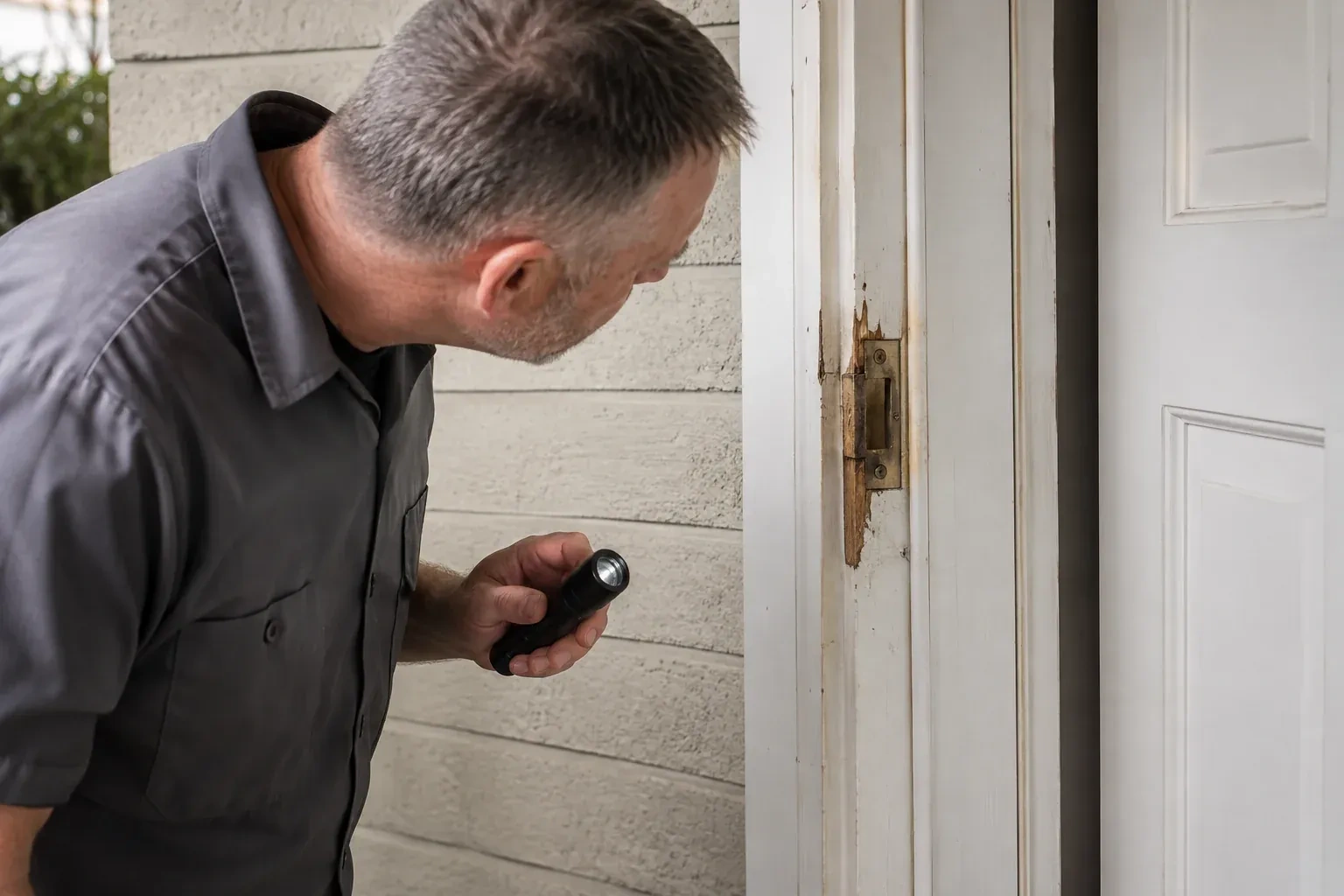
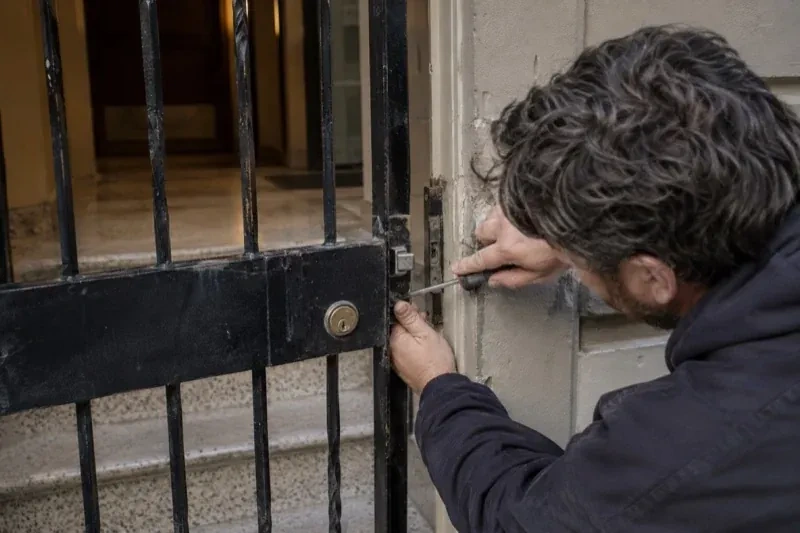
They did not get in. The attempt left a screwdriver gouge in the door edge, a strike plate bent outward and a deadbolt that now needs a shove to throw. The lock held, but the door is telling you it was tested.
The renovation wrapped up in the spring. The crew was good, the kitchen looks right, and the key you handed the foreman on day one was never handed back. Nobody kept track of who on the crew carried it.
The previous owners left a coffee tin of keys on the counter, some labelled, most not. The house is yours now, but you have no idea how many copies were cut over the years or who still has one in a drawer somewhere.
The old deadbolt has grown lazy. You turn the thumb-turn and the bolt creeps out halfway, then needs a second push with the door pulled tight. Some mornings the key has to be jiggled before it will come back out.
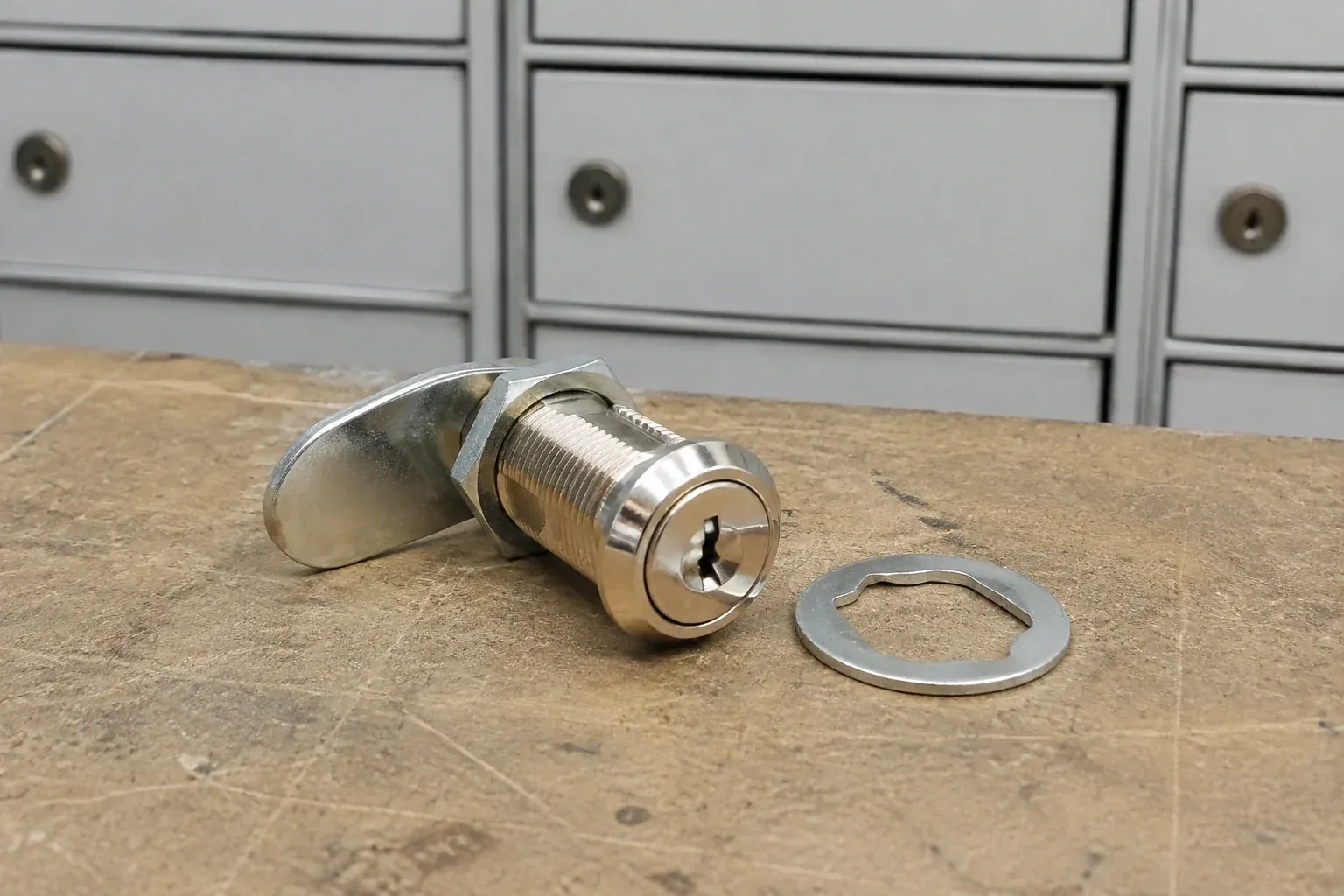
The mailbox key snapped clean off in the lock last week, and the stub is still sitting somewhere inside the cylinder. Nothing else on the ring gets anywhere near that keyway, and the mail is piling up because of it.
A break-in overnight took the cash float and a staff member's bag with her work keys inside it. The glass is being replaced this morning, but the key that opened the door yesterday will still open it tonight unless the cylinders are changed.
Deliveries arrive before anyone is scheduled to be there, which right now means either propping the loading dock open at dawn or handing a key to a driver you have never met.
Since the remote starter was installed last month, the original key has started acting strangely, the car catches on the first turn some mornings and refuses outright on others. Nothing about the key itself changed, but whatever the installer touched under the dash seems to be arguing with it.
After a cold night the driver's door key barely goes in, and when it finally seats it stops halfway and will not turn any further. Meltwater from the day before ran into the keyway and the overnight drop in temperature sealed it solid.
Because that is where the weak point was. A standard strike plate is held by two short screws in a soft wood jamb, and the deadbolt only reaches into a shallow pocket behind it. A kick delivers the full weight of a body to those screws, and the wood around them splits along the grain. The bolt itself is rarely the failure. That is why the repair concentrates on the strike side: a boxed strike, a full-depth pocket and long screws into the stud.
My key fell in the snow in my own yard. Do I still need to rekey?
It is your call, and it is a reasonable one either way. A key lost on your own property is unlikely to be picked up by a stranger, but it will surface in the spring thaw, and until then you are trusting a guess about where it lies. Many households rekey anyway for the certainty, and because the visit also lets them put every door on one key while the locksmith is there.
What should I have ready before the locksmith arrives?
A list of the doors you want included, a working key for each lock if you have one, and a clear idea of whether you want everything on one key or some doors kept separate. Have your identification and something tying you to the address handy. If you rent, have your landlord's agreement ready to mention. Knowing roughly how many new keys the household needs saves a second trip to cut more.
Will drilling a new deadbolt damage my steel or fibreglass door?
Not when it is done for that door. Steel-clad doors are cut with a fine-toothed hole saw run slowly through the skin, guided by a jig so the saw cannot skate on the smooth face, and finished from both sides so each skin stays clean. Fibreglass is scored first so the surface does not chip. Shavings are vacuumed from the foam core, and the edge is finished with a collar or plate suited to the stile inside.
How many keys do I get when the lock is changed?
Two keys is standard, cut from blanks matched to the new lock and tested in the door before the visit ends. Additional keys for another household member, or for someone who collects mail while you travel, are cut on the spot if you ask, rather than needing a separate stop at a hardware store afterward.
How long should we set aside for a commercial rekey?
It depends on the count and the mix. A shop with a front door, a back door and a stockroom is a short visit; an office suite with a dozen lever sets, a master key plan and a mailbox takes a good part of a day. Interchangeable cores are the shortest of all, since they are swapped rather than repinned on site. The locksmith gives a time estimate at the assessment, once every cylinder has been counted.
What happens to our records if we later work with a different provider?
That depends on the platform: the entry log and configuration can live on a local controller and its on-site software, which stay with the business regardless of who installed them, or on a cloud-managed subscription service, where continued access and data export follow that provider's own terms. It is worth confirming at the time of installation which arrangement applies, so the business knows what happens to its records if it later changes providers.
Are some vehicles only able to have keys programmed by a dealer?
Many recent models, particularly ones with additional security layers, require a manufacturer-level session that only certain equipment can reach. Older and simpler systems more often allow direct programming without that extra step. The locksmith can usually confirm which situation applies to a specific vehicle from its year, make and model before the visit.
What causes a car door lock to seize up in winter?
Meltwater from a thaw can run into the keyway during the day and refreeze overnight, and road salt and brine thickens grease inside an older cylinder. Both make the key resist turning or stop partway, and both respond well to gentle warming or a lock de-icer rather than force.
Request a visit
Lock work makes brass shavings, sawdust and small parts that roll under furniture. In Lansing homes we lay a drop sheet, catch what falls, and vacuum before we go. The door gets wiped down, the old keys are handed back or taken away as you prefer, and the only sign we were there is a lock that turns without complaint.