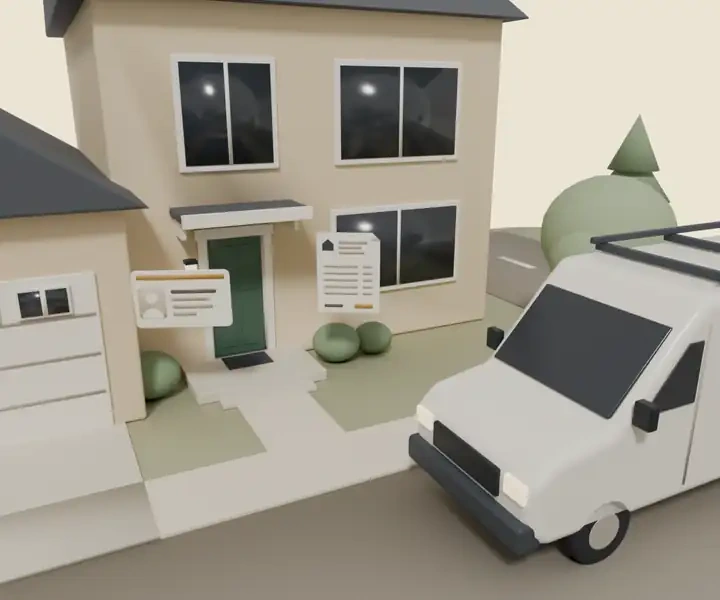
Locksmith in Silver Hills, OntarioLocksmith in Silver Hillsfor homes, shops and offices
Homes and businesses in Silver Hills have their own kinds of lock trouble, and we have built the company to handle both without treating either as an afterthought. Deadbolts, rekeys, high-security cylinders, storefront hardware, master key systems and safes, plus vehicle keys when a household needs one cut.
Homes and businesses in Silver Hills have their own kinds of lock trouble, and we have built the company to handle both without treating either as an afterthought. Deadbolts, rekeys, high-security cylinders, storefront hardware, master key systems and safes, plus vehicle keys when a household needs one cut.
Careful work on every kind of lock.
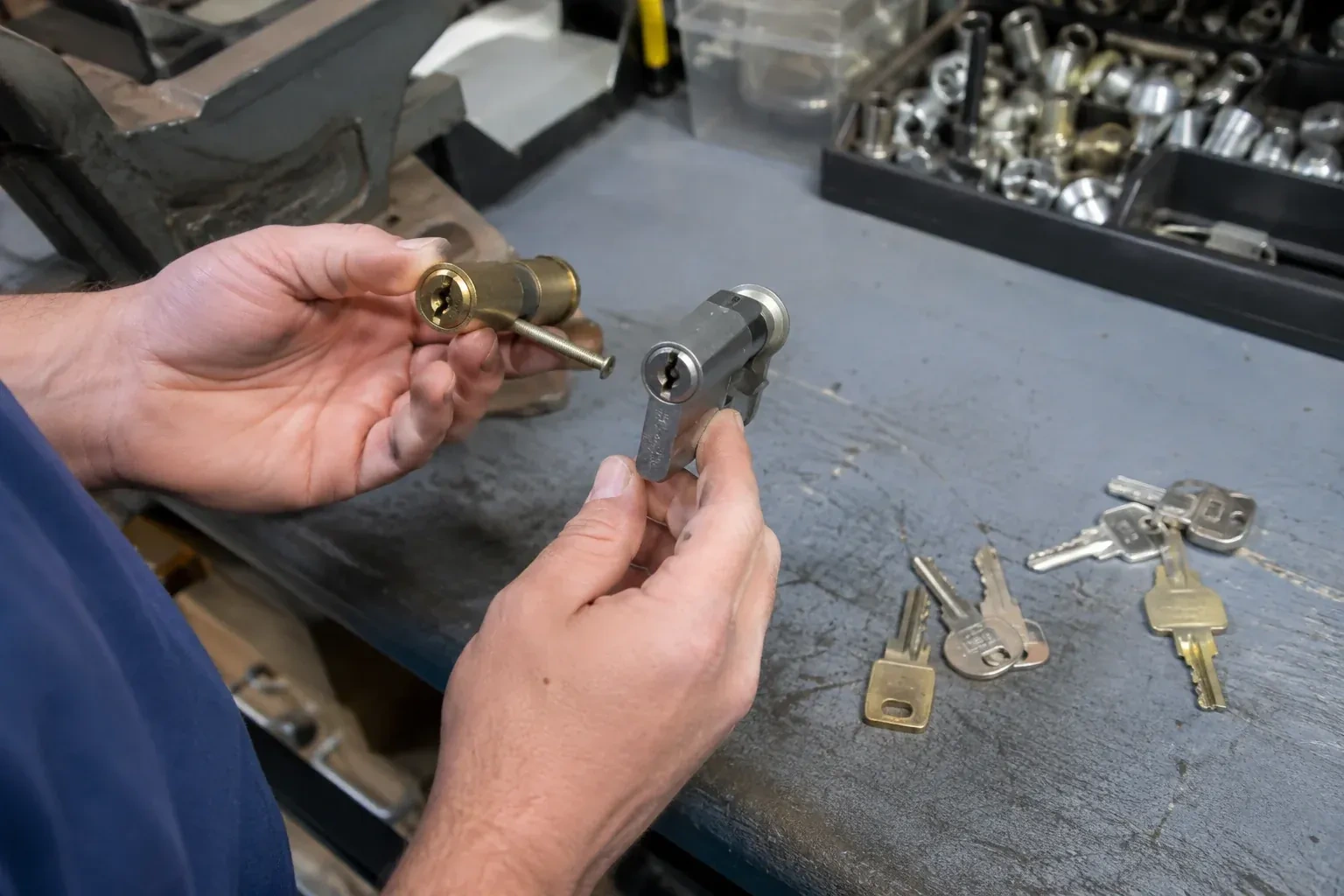
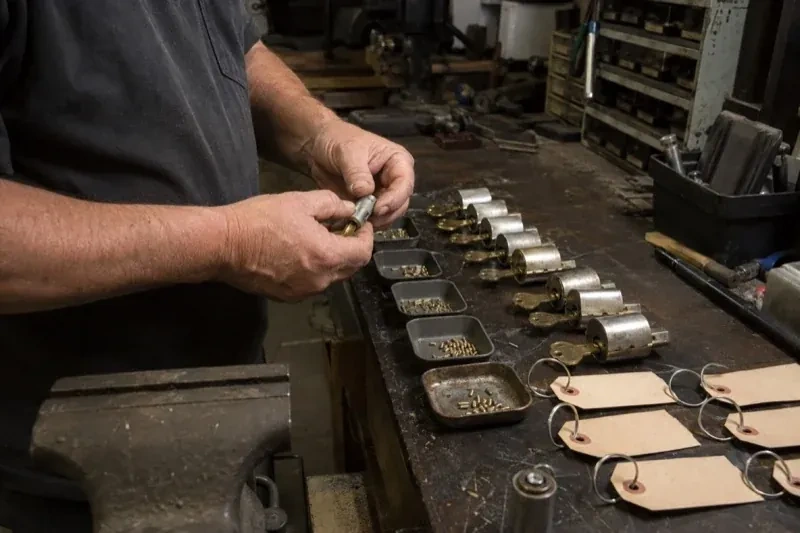
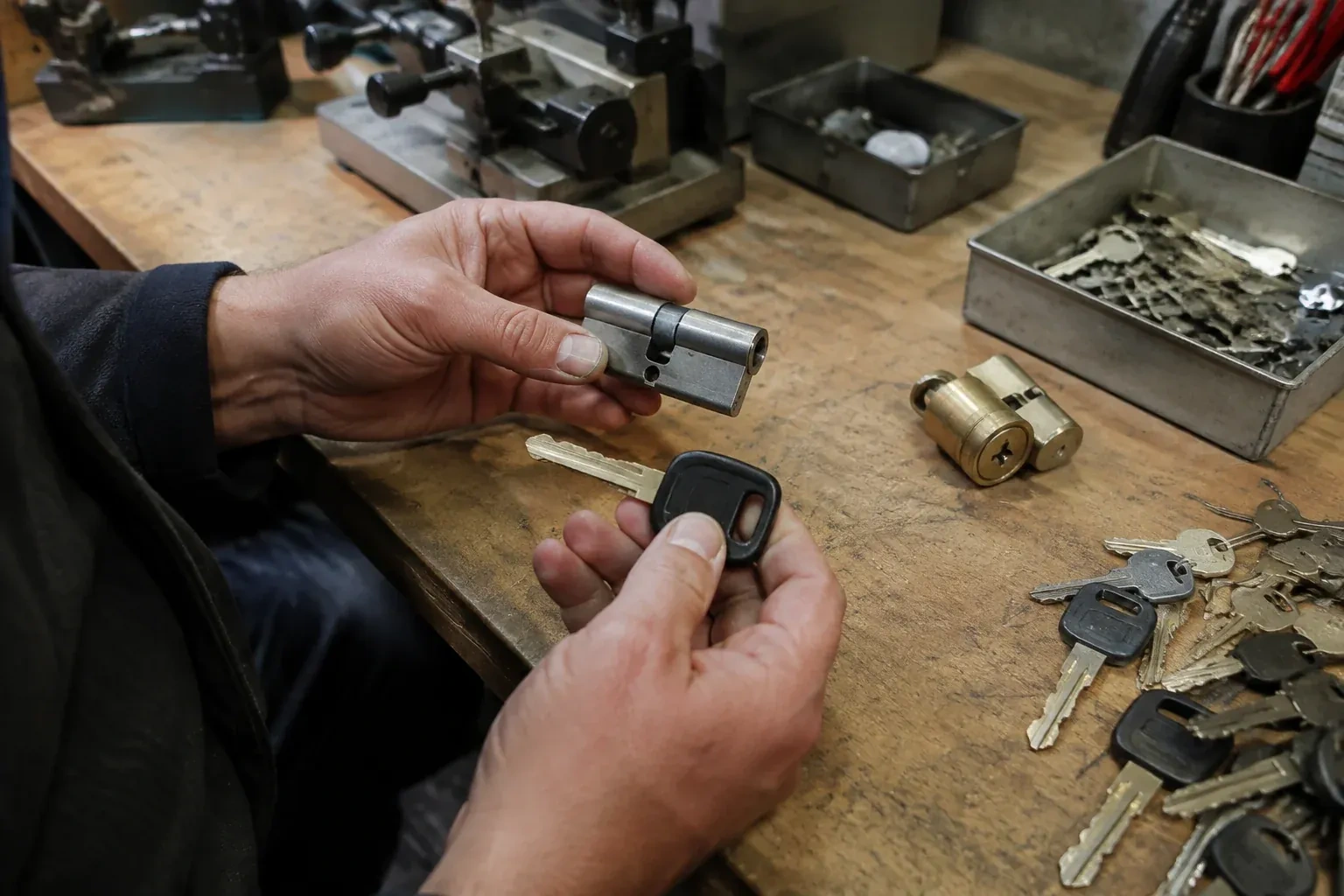
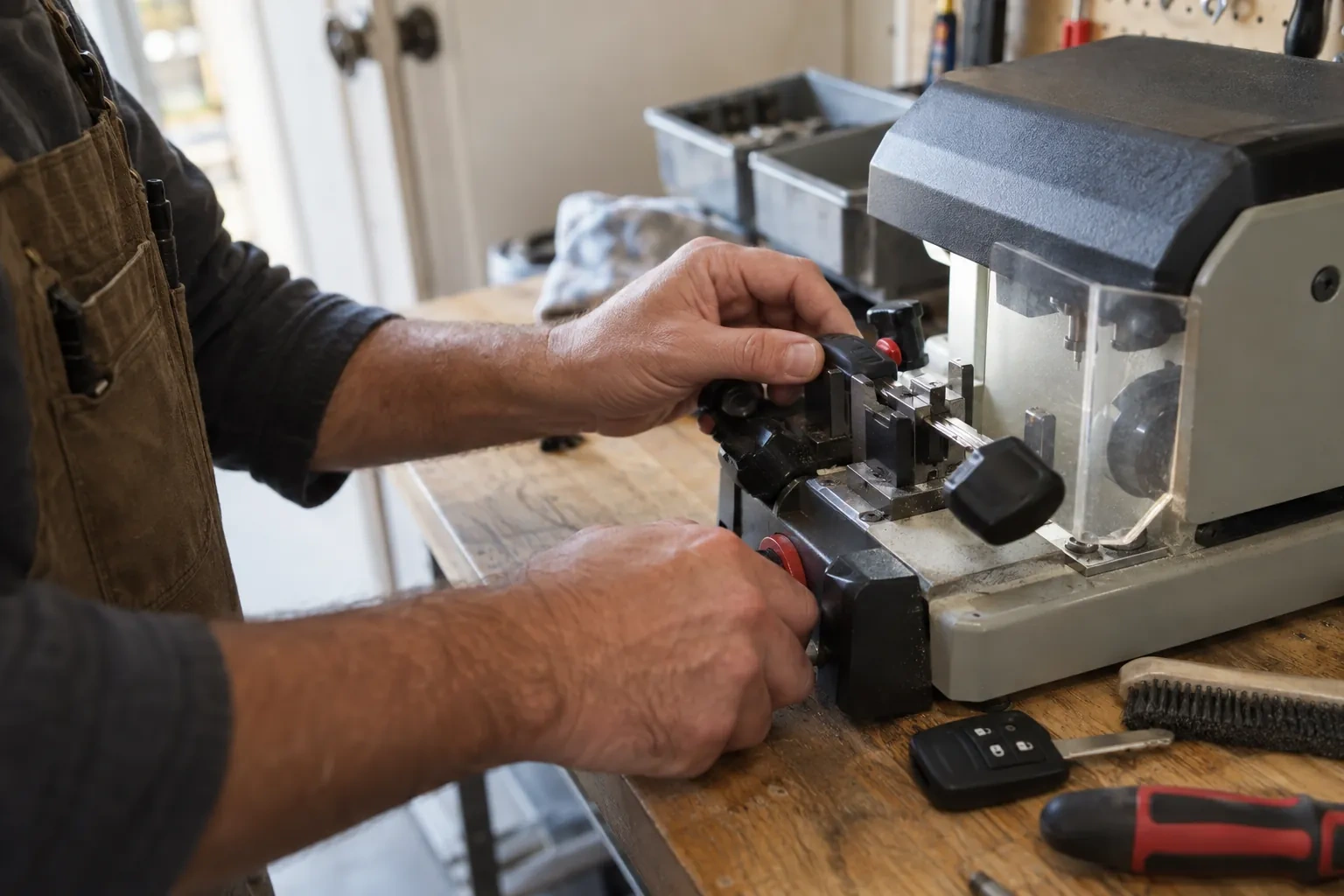
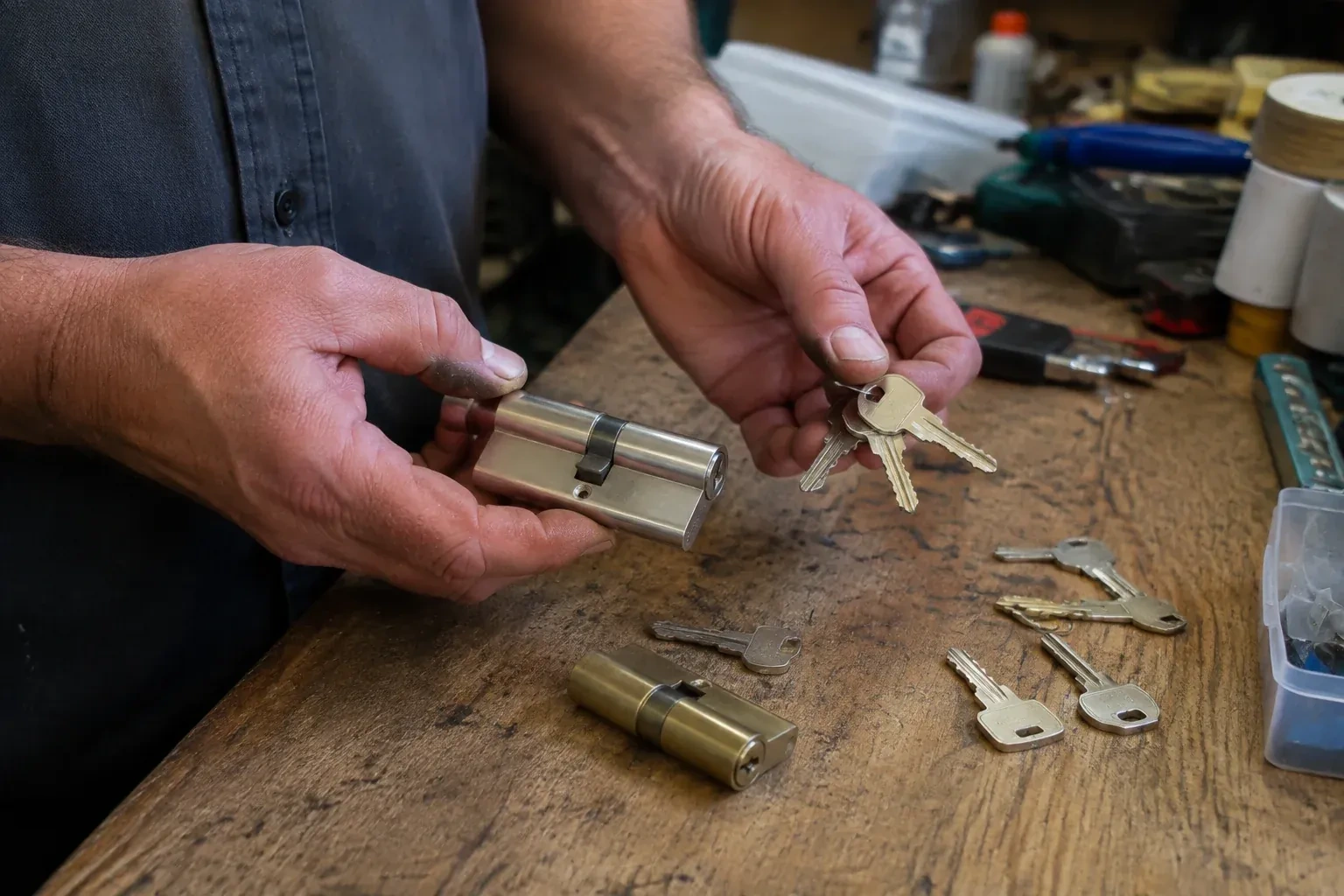
Every key we cut in Silver Hills is tested in the lock it belongs to before we leave. It sounds obvious, but a key that works on the bench and sticks in the door is a common complaint about lock work. We turn each one, from both sides where the door allows, and adjust the cut or the cylinder until every key slides in and turns cleanly.
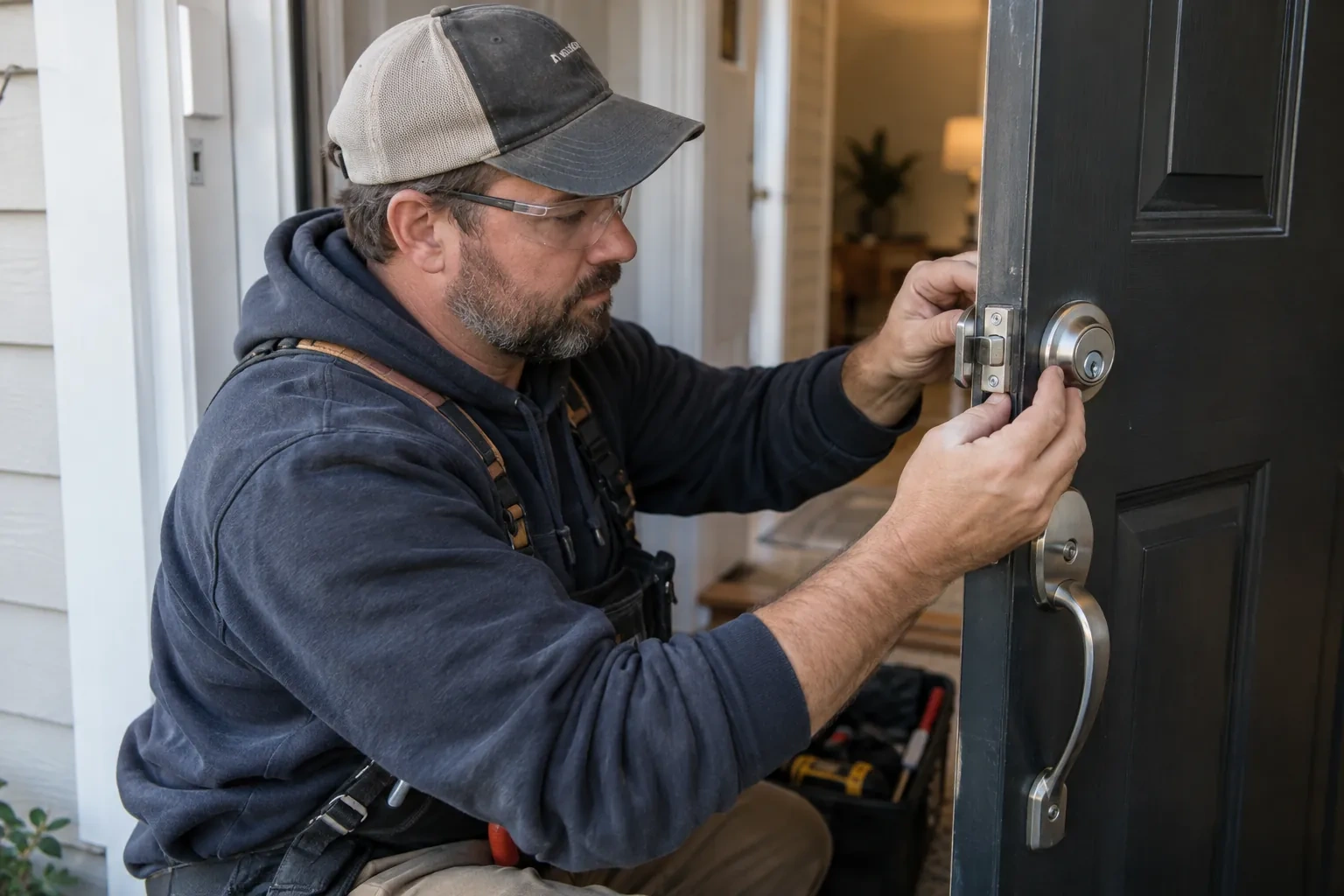
Emergency lockouts in Silver Hills are handled calmly. We ask you to have proof that the home, business or vehicle is yours ready for when we arrive, choose the least invasive way to open the door, and check the lock afterward so it keeps working. If the keys are gone for good, we can rekey while we are there so the lost set is no longer a worry.
19years in business
24/7open every day
Straight talk about your options. We describe what each choice does and what it asks of you in effort, disruption and future flexibility, so the decision is yours.
Work explained as it happens. If you want to watch, we tell you what each step is for. If you would rather make a coffee, we give you the summary at the end.
Tidiness as standard. A lock change should not leave a mess. We bring what we need to keep the door area clean and we leave it that way.
The services below cover most of what a door in Silver Hills can throw at you. Some are urgent, like a lockout or a snapped key. Others are planned, like upgrading to a high-security cylinder or setting up a master key system for a small building. Each one is explained in plain terms so you know what to expect.
About 58% of homes in Toronto were built in 1980 or earlier, according to the 2021 Census.
Older homes
Old brass keys wear thin, and a key that has bent for years finally lets go in a cold cylinder. In older housing stock this is a regular call, so the locksmith is ready to extract the piece, check the cylinder and cut a new key from the code.
Single-detached houses make up about 23% of homes in Toronto (2021 Census).
Condo boards commonly set rules about what may be changed on the outside face of a suite door. A locksmith experienced with attached housing knows to keep the visible hardware within those rules while still upgrading the cylinder and strike behind it.
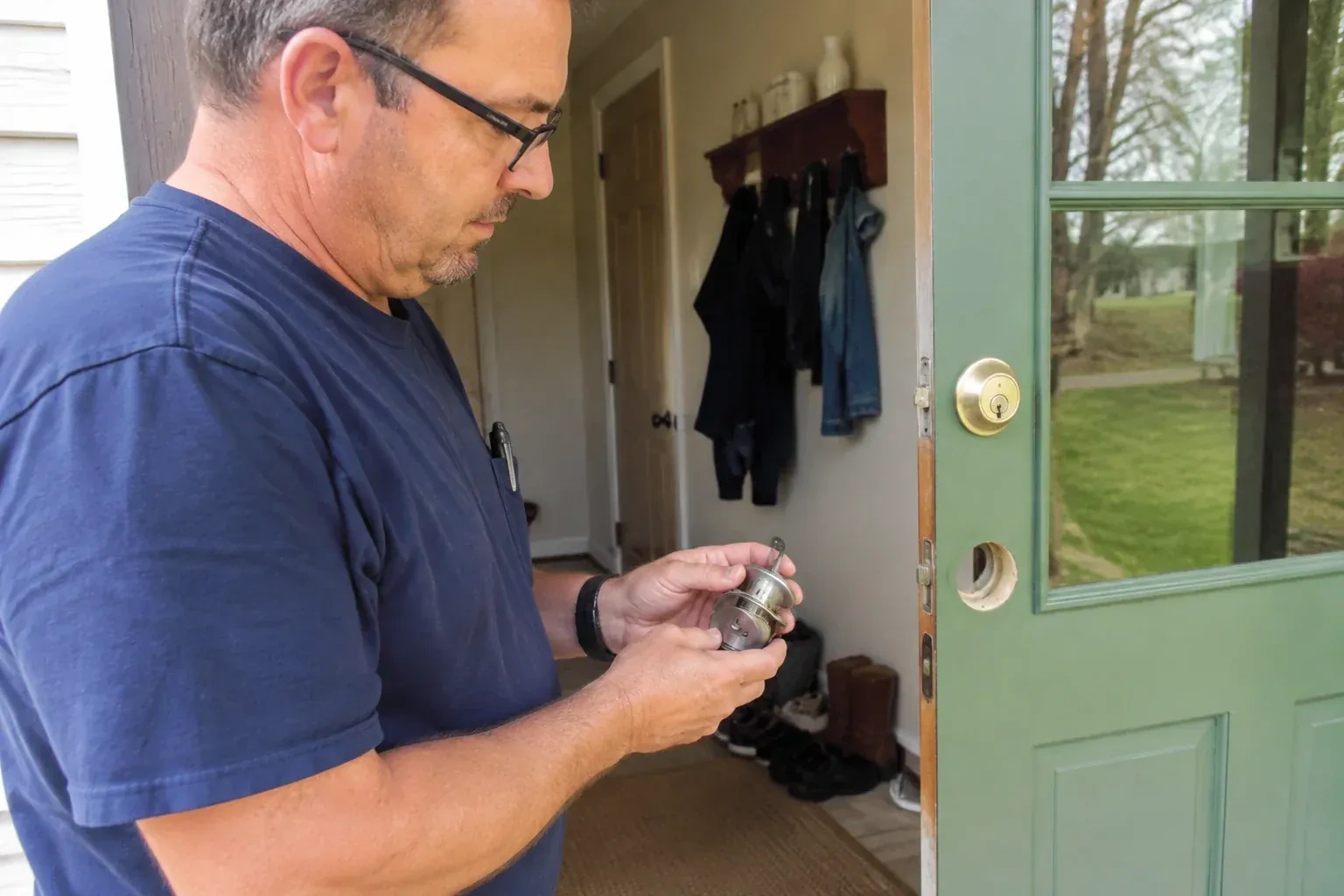
The moving truck has left, half the boxes are inside, and the single key the previous owner handed over turns the knob but not the deadbolt. Someone locked it on the way out, and nobody has a key that fits it.
A roommate tried to help with tweezers, then by gluing the other half to it. The fragment is now further in than it started, there is dried glue around the keyway, and the front door still does not open.
The patio slider is sitting crooked on its track. Its latch is snapped, the frame is bowed where it was pried, and the panel no longer meets the jamb, so the house cannot be closed up for the night.
Every time you pull the key out of the side door it comes away gritty. The lock has been sticky since the salt trucks started running, and today it has gone from sticky to solid, with the bolt still thrown.
The accountant's office keeps a decade of client files in cardboard boxes because the only safe in the building is a small drawer safe meant for a laptop, nowhere near large enough for binders of paper.
Two people left over the summer and the keys they handed back came up one short. Nobody is sure whether the missing key was for the front door, the stockroom or both, and the sign-out sheet stopped being filled in a year ago.
The rental van came with one key. It went into the door lock, turned partway, and snapped, leaving half the blade in the cylinder and the other half in your hand. The delivery is due, the van is locked, and the rental desk is an hour away.
One key opens the car, starts the car, and rides in one pocket every day. Nothing backs it up. A dropped storm drain, a torn pocket or a moment of distraction would leave the household without a way to drive anywhere tonight.
You dig through every jacket pocket and the tank bag twice, but the ignition key that always sits on the same ring is nowhere to be found. The bike sits exactly where you parked it, and nothing in reach will turn that lock.
Commercial work is measured by how little the business notices it. Doors keep opening for staff, keys stay accounted for, exits release cleanly and the manager knows who can go where. These pages describe how we bring a premises to that state.
The accountant's office keeps a decade of client files in cardboard boxes because the only safe in the building is a small drawer safe meant for a laptop, nowhere near large enough for binders of paper.
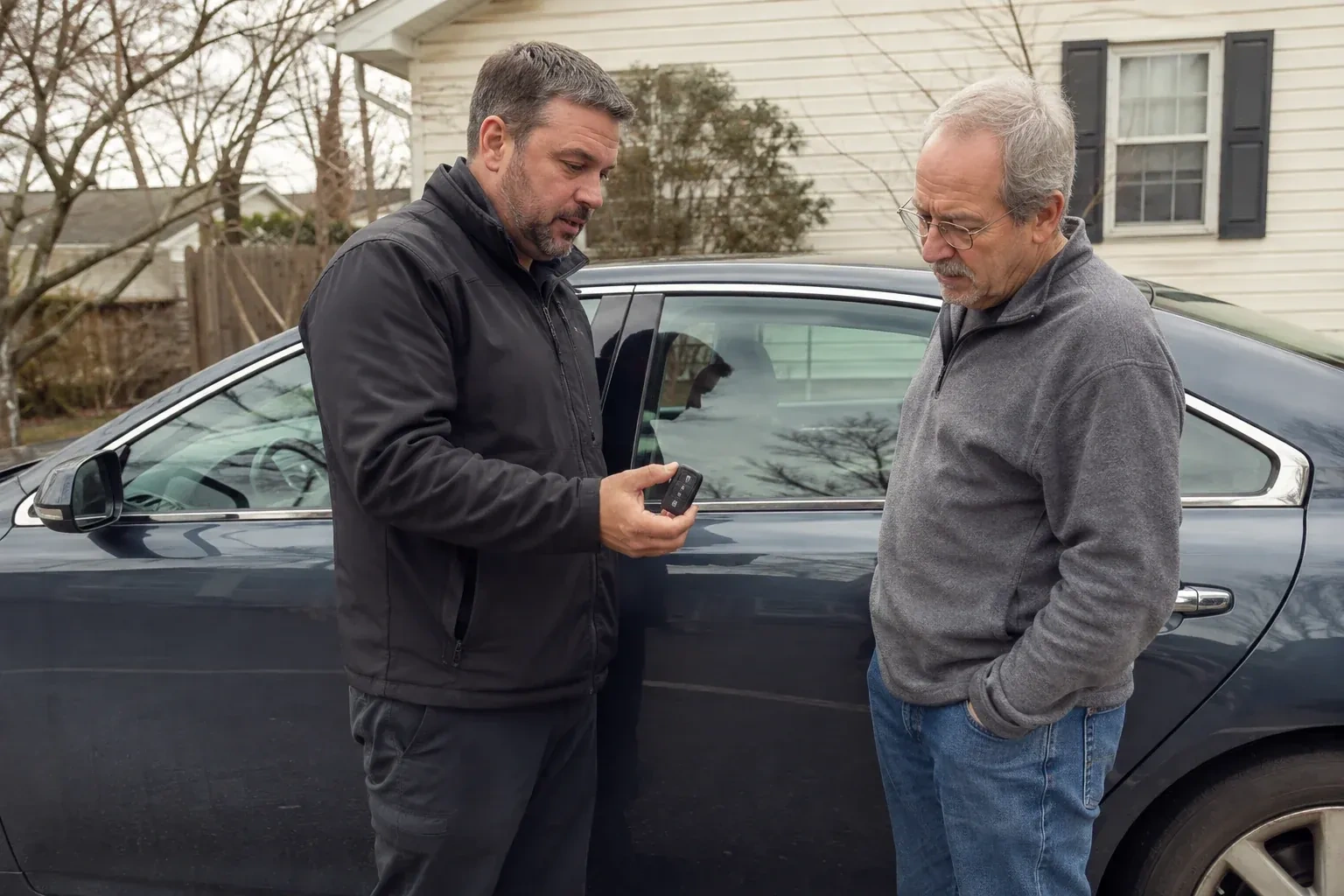
WhyA vehicle that arrives with only one working key is a common situation after a private sale or an estate transfer, and it is one of the more straightforward calls a locksmith takes.
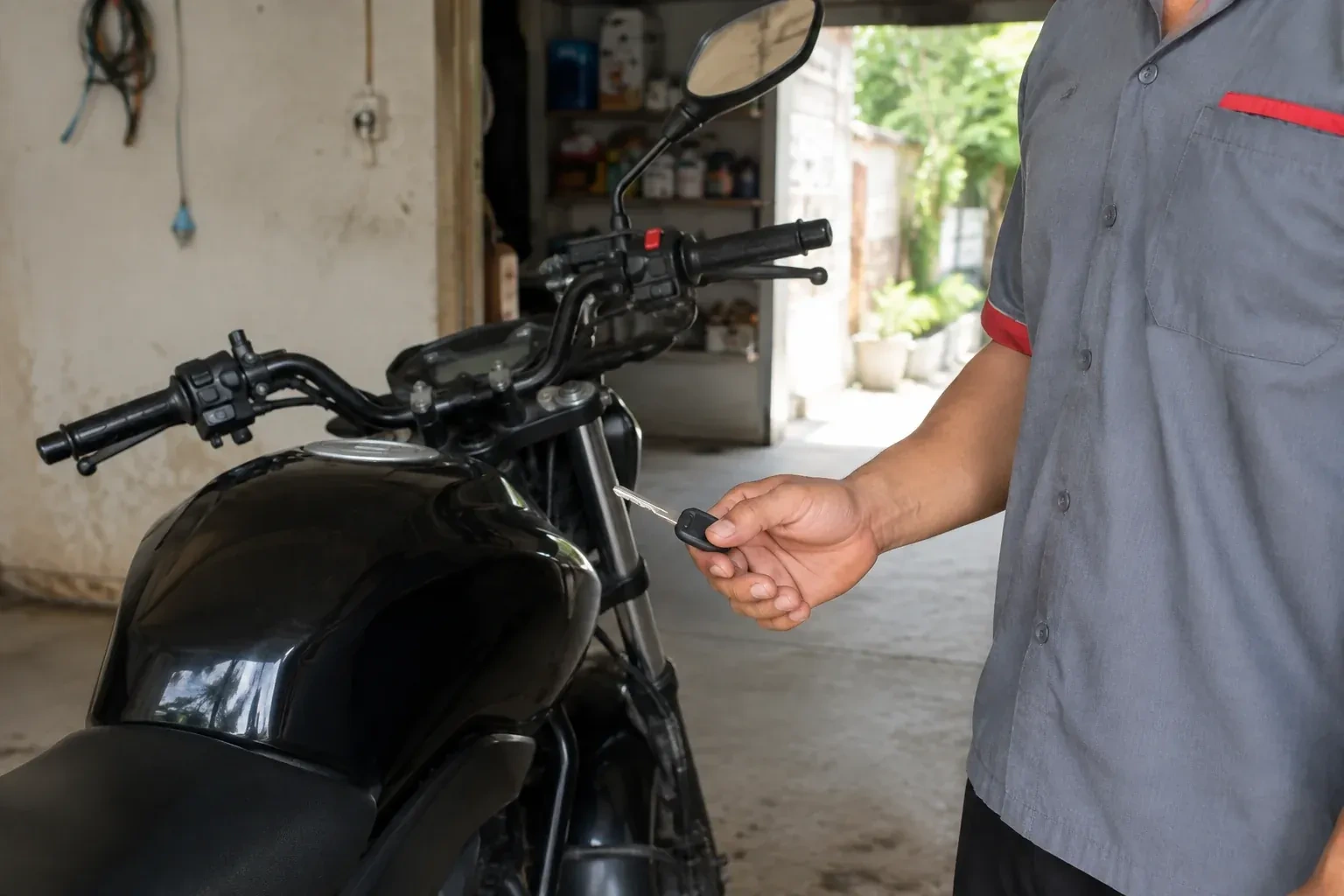
You dig through every jacket pocket and the tank bag twice, but the ignition key that always sits on the same ring is nowhere to be found.
WhyMotorcycle and scooter key service is the work of producing a key that a two-wheeled machine will actually accept, whether that means cutting a plain blade, decoding an ignition lock with no key at all, or programming a transponder that talks to the engine control unit.
How a visit goes
Describe the property, the hardware and what has changed, and the visit starts from what you have seen.
1
2
3
01
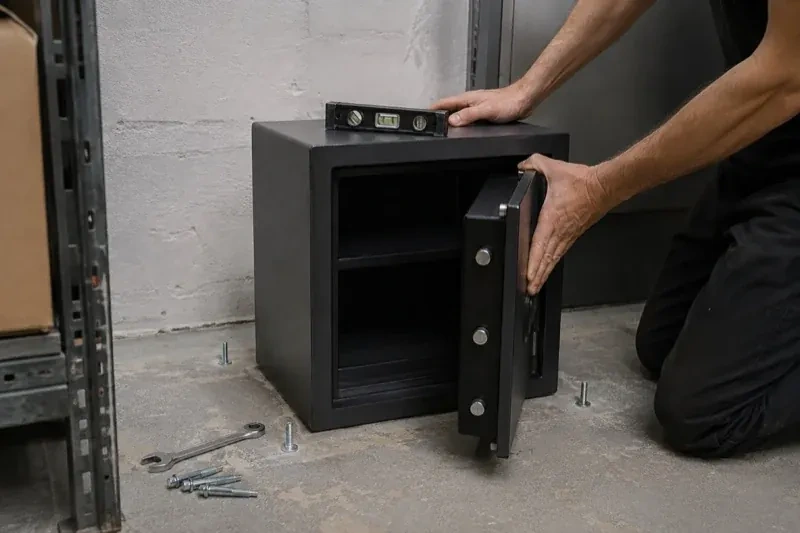
Understanding the safe
We ask what the safe is for, how it is opened and what has changed: a lost combination, a dead keypad, a bolt that will not retract. Each points to a different approach.
02
Opening or repairing carefully
Where a combination can be reset or a keypad replaced, we do that. Where the safe must be opened without its code, we use the method that leaves it usable afterwards.
03
Setting it up for you again
Once it works we help you choose a new combination or code, show you how to change it later and suggest a sensible place to keep a record.
In most residential lockouts the lock is untouched. Picking, decoding and latch tools operate the mechanism the same way your key does, so there is nothing to repair afterwards. A drill only appears when a cylinder is seized, plugged by a snapped key or engineered against picking, and you hear about that before it starts. Should it come to that, replacement hardware goes on before the locksmith leaves so you lock up normally that evening.
Should I rekey or replace the lock afterwards?
Only if the inspection finds a reason. A clean cylinder with sound pins goes straight back to work with a new key. Rekeying makes sense when the pins are worn and sticking, or when a lost or unaccounted key shares the same cut. Replacement is for a cylinder that is corroded, cracked or of a grade that will keep eating keys. Each is offered as its own decision, not bundled in.
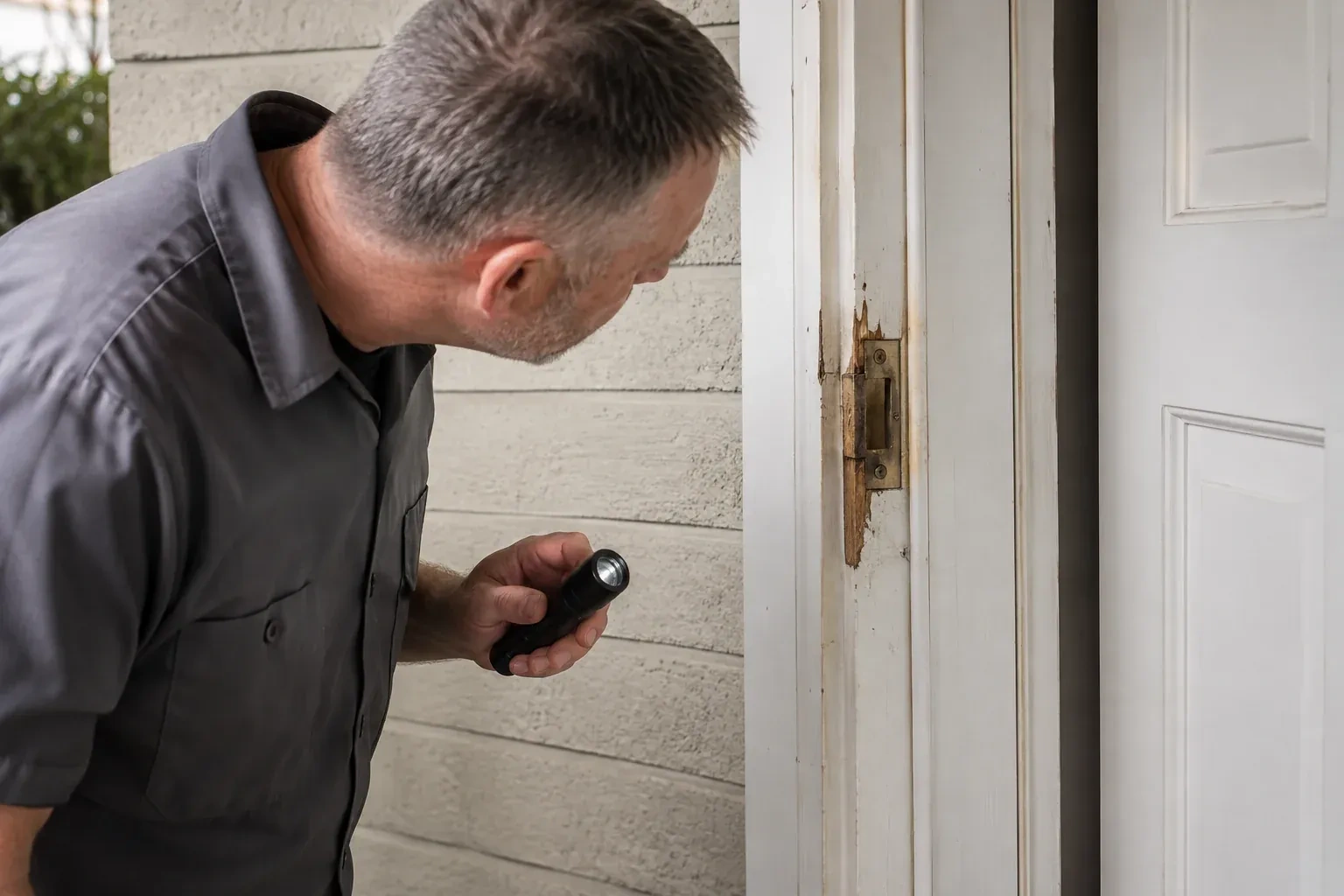
Why did the frame break instead of the lock?
Because that is where the weak point was. A standard strike plate is held by two short screws in a soft wood jamb, and the deadbolt only reaches into a shallow pocket behind it. A kick delivers the full weight of a body to those screws, and the wood around them splits along the grain. The bolt itself is rarely the failure. That is why the repair concentrates on the strike side: a boxed strike, a full-depth pocket and long screws into the stud.
Why did my lock seize when it worked yesterday?
Locks rarely fail in a day; they fail slowly over months and announce it in a morning. Grit and old lubricant build up in the pin stacks until one cold night thickens them past the point the key can overcome, or a door that has been drifting on its hinges finally pins the bolt after a humid week. The wiggle you needed last month was the warning. A lock in this state is usually cleaned or adjusted back to health rather than replaced.
What happens if a previous owner's combination is unknown?
That situation calls for opening the safe first, which is handled as its own service using non-destructive methods wherever the lock allows, before a new combination or code is set. Once open, the installation or servicing continues as normal: the lock is checked, the anchoring is confirmed or fitted, and a fresh combination known only to the current owner is set before the visit ends.
How long should we set aside for a commercial rekey?
It depends on the count and the mix. A shop with a front door, a back door and a stockroom is a short visit; an office suite with a dozen lever sets, a master key plan and a mailbox takes a good part of a day. Interchangeable cores are the shortest of all, since they are swapped rather than repinned on site. The locksmith gives a time estimate at the assessment, once every cylinder has been counted.
Can you open a pickup, a motorcycle, a trailer or a motorhome?
Yes. Trucks and vans often have a separate cargo or tailgate lock, motorhomes use household-style cylinders on their living-space doors, trailers and hitch locks are padlock-type hardware, and motorcycle seat and steering locks are small wafer cylinders. Say what the vehicle is when you call so the right picks and blanks are in the van, and expect the same authorisation check for each.
What identification do I need to bring for a vehicle that isn't mine, like a company car?
Bring whatever document shows your connection to the vehicle in that situation: a company letter or fleet record for a workplace vehicle, a lease agreement for a rented one, or a note from the registered owner for a family member's car. The locksmith is confirming that the person asking for a key is entitled to hold one, which protects the vehicle's owner as much as it protects you.
Should I get a whole new ignition switch or just a new key?
That depends on the lock's condition rather than the key alone. If the wafers and springs inside are still sound, a correctly cut key restores normal operation without any hardware changed. A lock with worn-oval wafers, a cracked housing, or damage from an earlier forced attempt is better replaced outright, since a new key cannot compensate for parts that have physically worn or broken.
Request a visit
Every key we cut in Silver Hills is tested in the lock it belongs to before we leave. It sounds obvious, but a key that works on the bench and sticks in the door is a common complaint about lock work. We turn each one, from both sides where the door allows, and adjust the cut or the cylinder until every key slides in and turns cleanly.