Locksmith in Toronto, OntarioSmall shop.Serious about doors.
Running a business means trusting a few people with a few keys. We help you keep track of who can open what: rekeying when staff change, master key systems that make sense, and exit hardware chosen so everyone can leave without a key.
Running a business means trusting a few people with a few keys. We help you keep track of who can open what: rekeying when staff change, master key systems that make sense, and exit hardware chosen so everyone can leave without a key.
Careful work on every kind of lock.
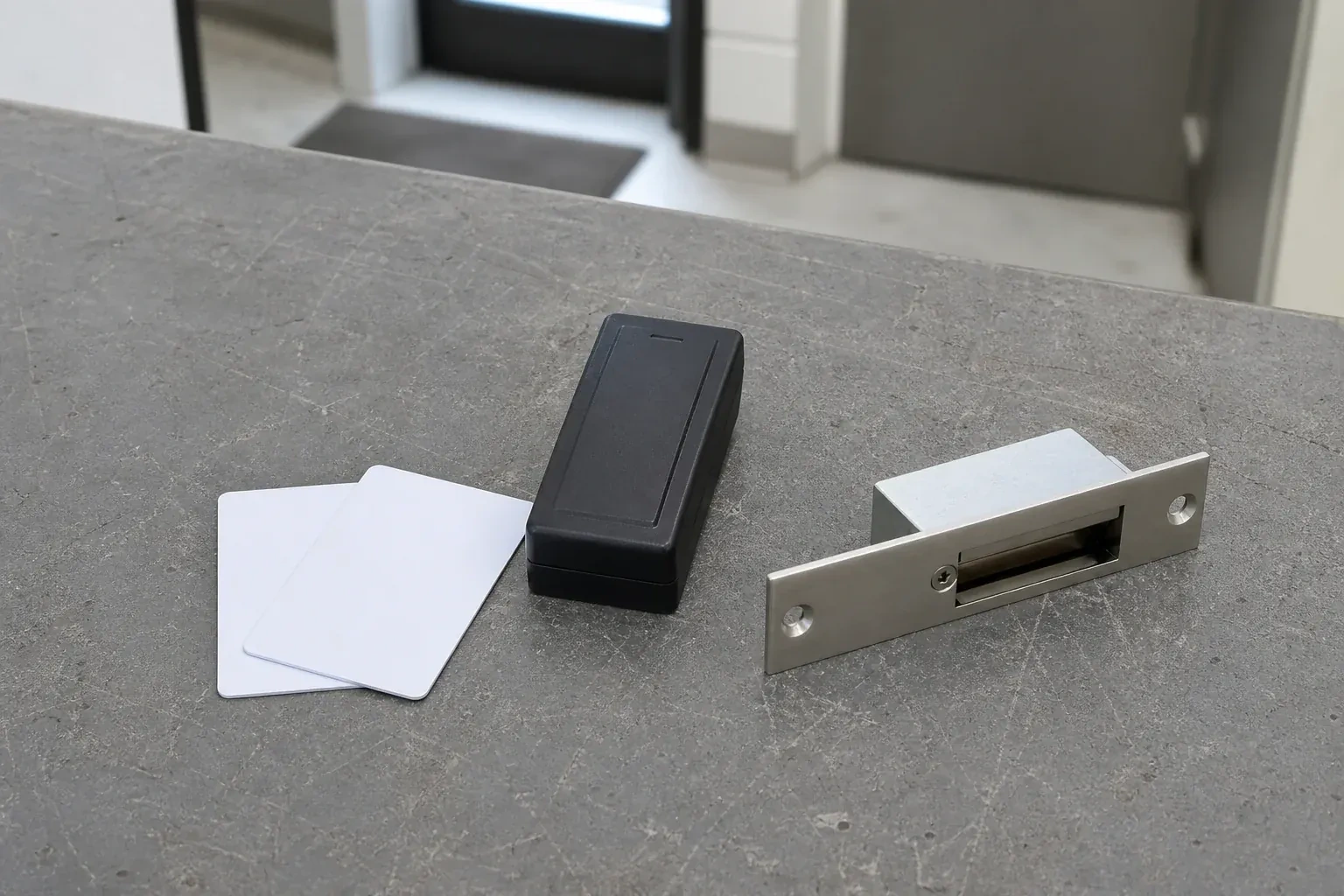
Commercial doors work harder than residential ones: hundreds of cycles a day, a closer slamming the latch, deliveries propping the back door open in the cold. We specify hardware for that duty, keep closers adjusted so the door actually latches behind people, and make sure exit doors release with a single push and no key. Then we set a schedule so small wear never becomes a lockout.
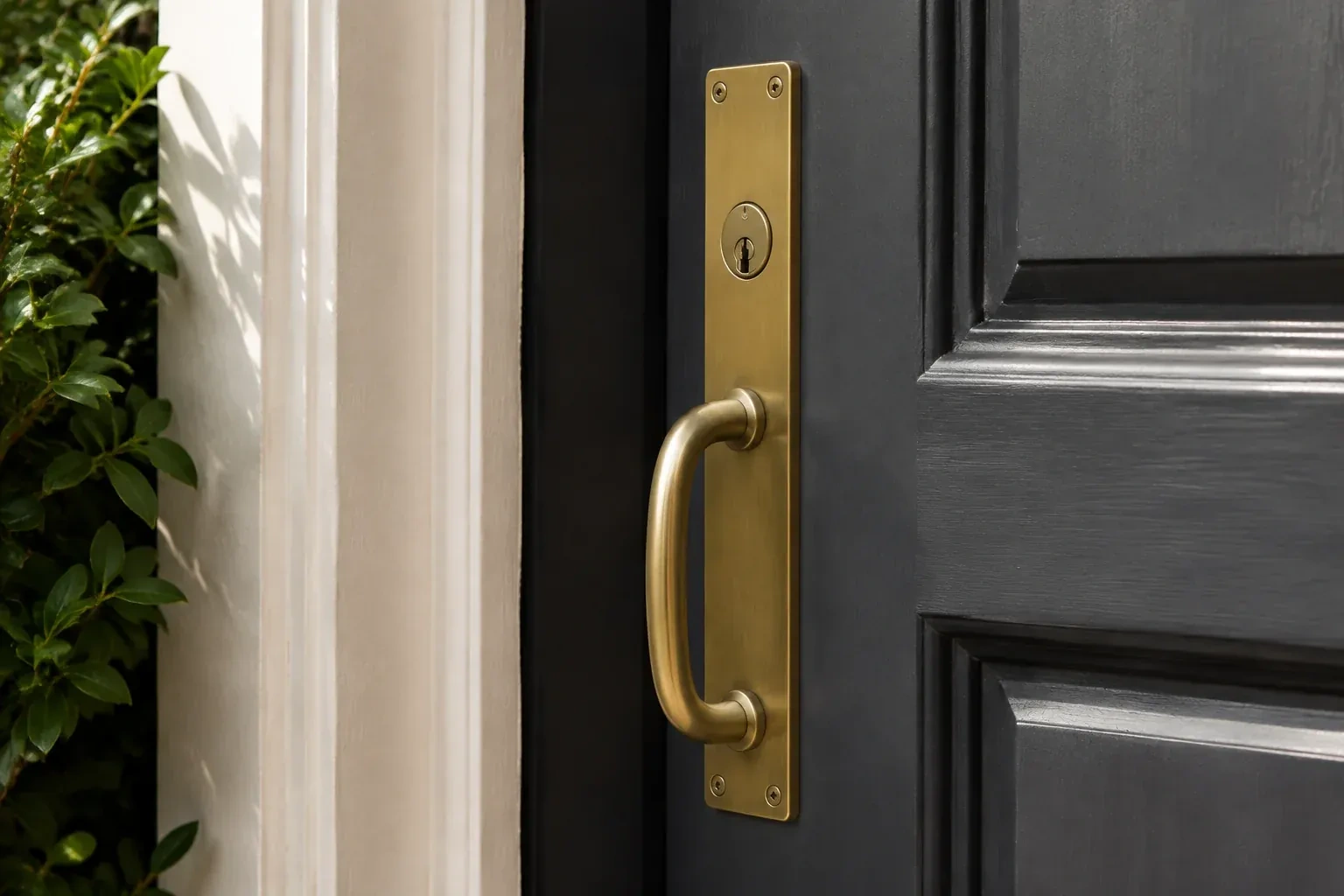
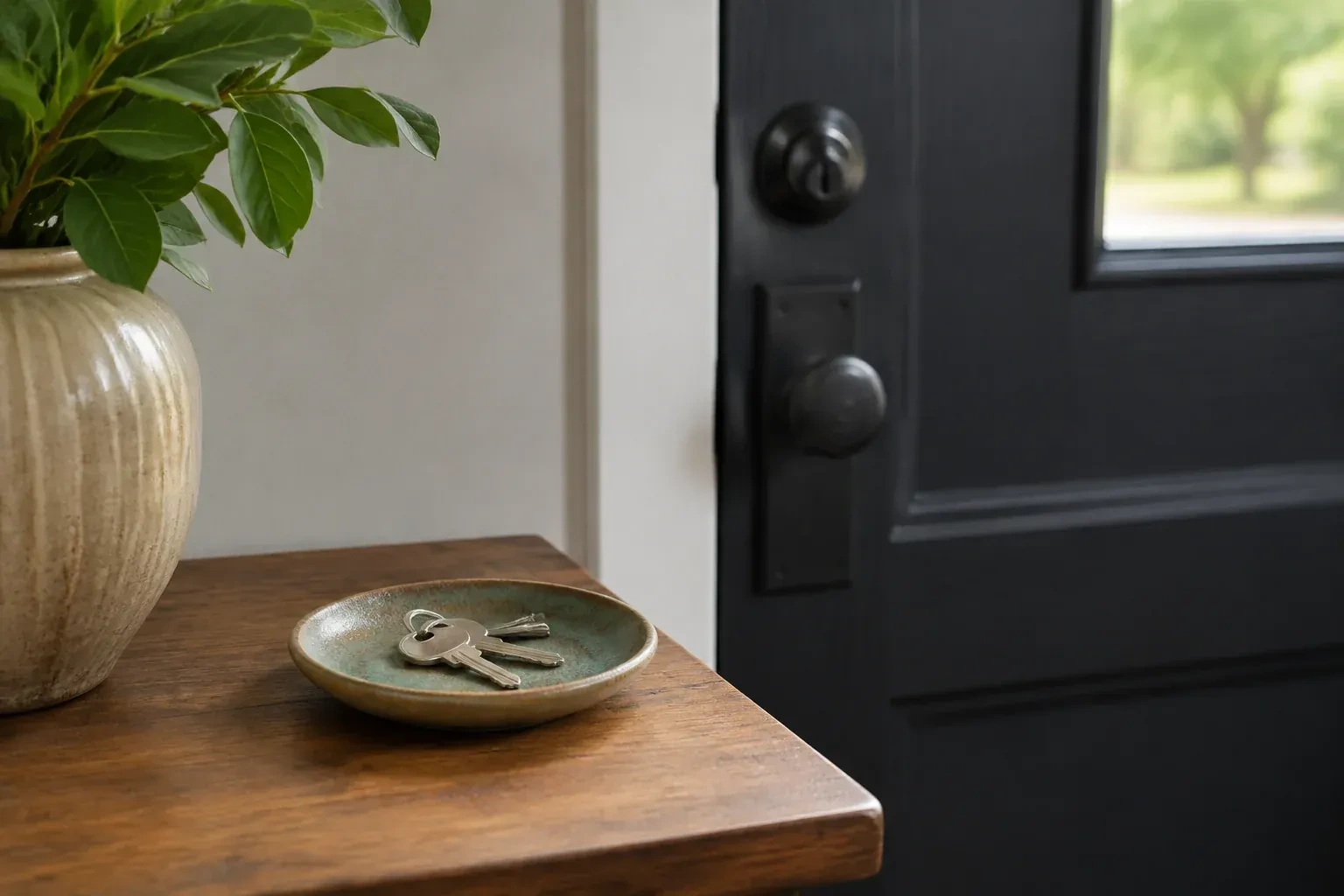
The key you reach for. The door you come home to. Good locksmith work begins with understanding how you use them.
19years in business
24/7open every day
Straight talk about your options. We describe what each choice does and what it asks of you in effort, disruption and future flexibility, so the decision is yours.
Work explained as it happens. If you want to watch, we tell you what each step is for. If you would rather make a coffee, we give you the summary at the end.
Tidiness as standard. A lock change should not leave a mess. We bring what we need to keep the door area clean and we leave it that way.
Here is the full range of what we do for houses, businesses and vehicles across Toronto. Some jobs take one visit and a few tools; others are worth planning. Each page tells you which it is likely to be and how to prepare.
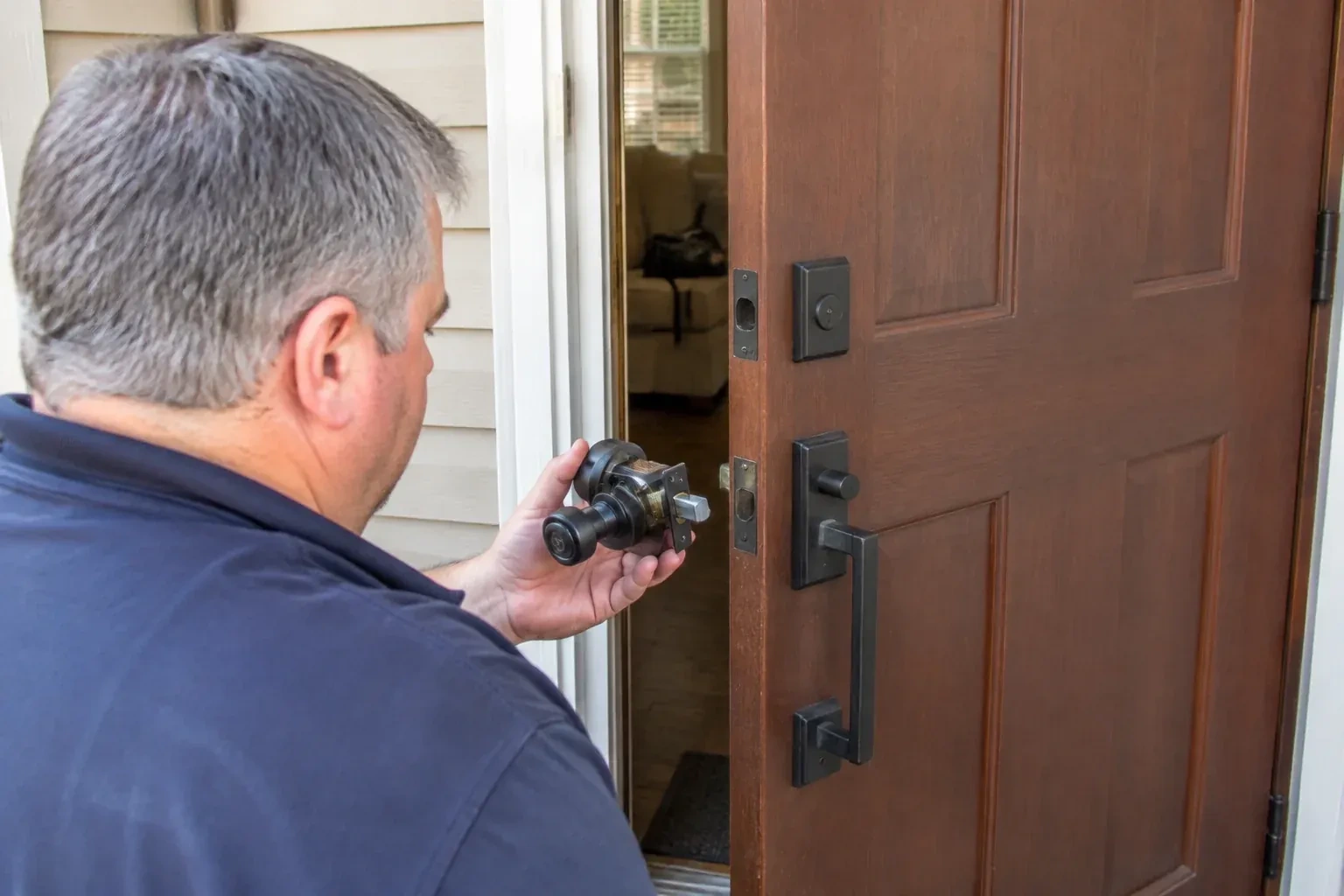
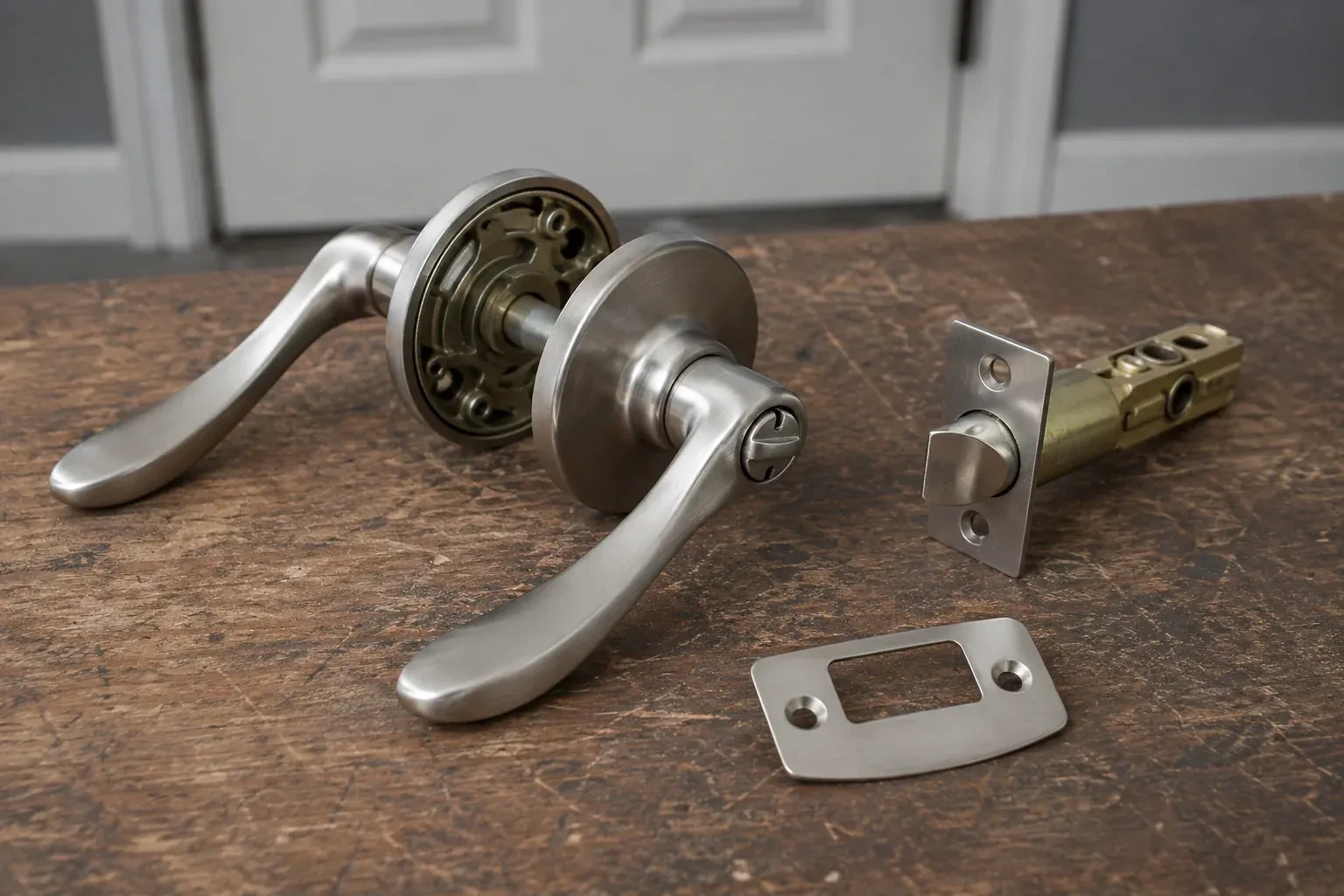
The lever on the side door droops toward the floor and rattles in your hand. The latch no longer springs back on its own, so the door drifts open behind you unless you pull it shut and check it twice.
Your roommate moved out last weekend. Rent is settled, the room is empty, and the key is still on their ring. You trust them, but the lock on your front door should answer to the people who actually live here.
A roommate moved out on bad terms and says the key was left on the counter. It was not. You have already changed the Wi-Fi password, but the front door still opens for a key that could be anywhere.
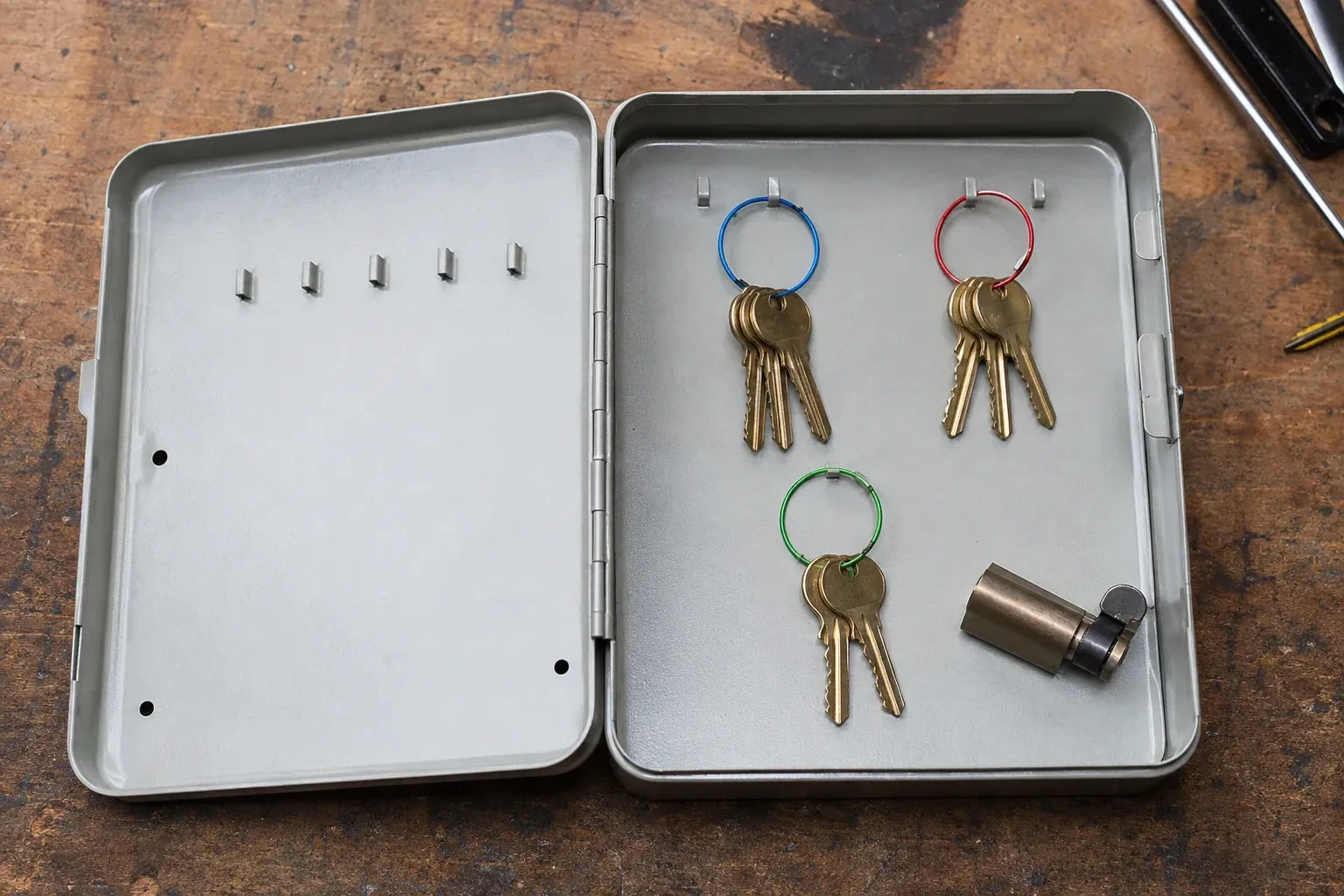
Losing count of keys is the reason most people finally ask about restricted systems. Once every key is numbered and every copy passes through you, the count stays right, and the worry about old copies goes away for good.
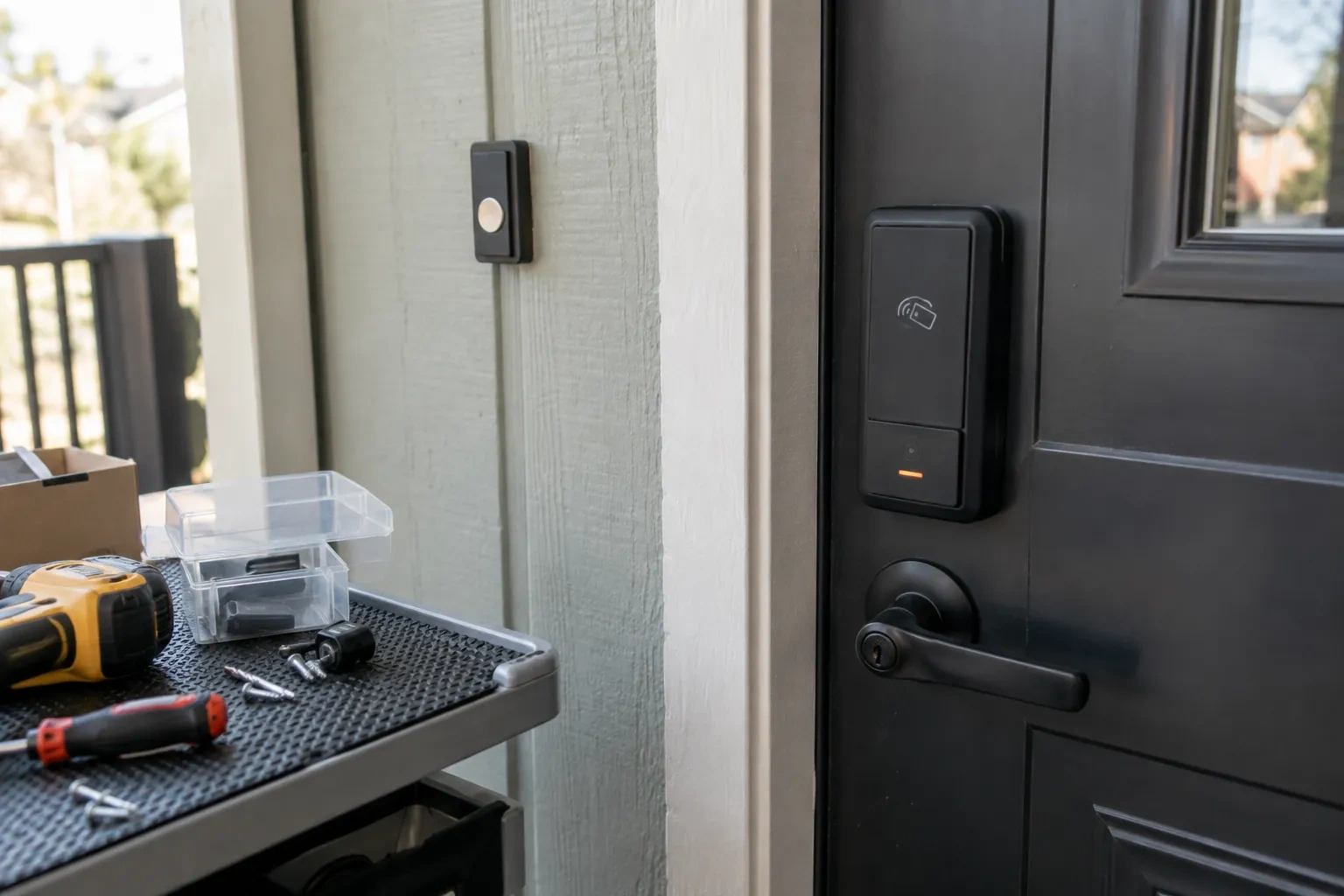
Commercial work is measured by how little the business notices it. Doors keep opening for staff, keys stay accounted for, exits release cleanly and the manager knows who can go where. These pages describe how we bring a premises to that state.
The pharmacy's drop safe has a keypad that finally lost power for good, and the little override key that was supposed to live behind the counter cannot be found anywhere.
The keypad on the office safe blinks a low-battery warning every morning now, and whoever notices it first quietly hopes someone else deals with it before the batteries finally give out mid-week.
Which fix fits?
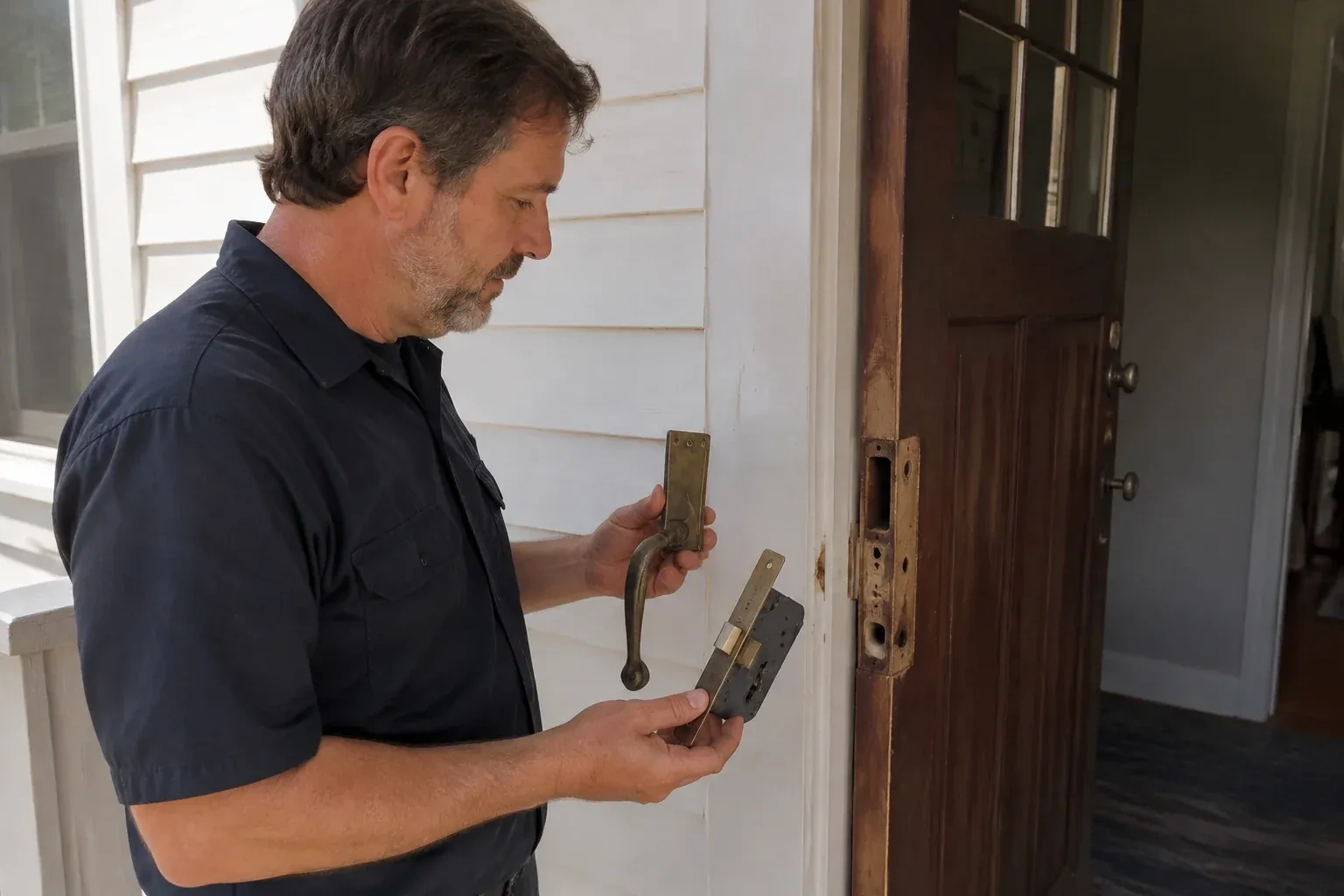
The old mortise lock on your front door rattles and barely catches.
WhyThey were built to be opened, cleaned and re-sprung, and most come back to a firm close.
You love the antique glass knobs but the spindle keeps slipping.
Sensible optionReplace the spindle and set screws, keep the knobs.
WhyThe wearing parts are still made; the knobs stay exactly where they are.
There is a beautiful old lock and no key for it anywhere.
Sensible optionCut a key by impressioning or from the lock itself.
WhyWith the case open we read the levers and make a key to fit.
The bookkeeper who set the office safe's code retired in a hurry, and the float cash for tomorrow's registers is sitting behind a keypad nobody else in the building can operate.
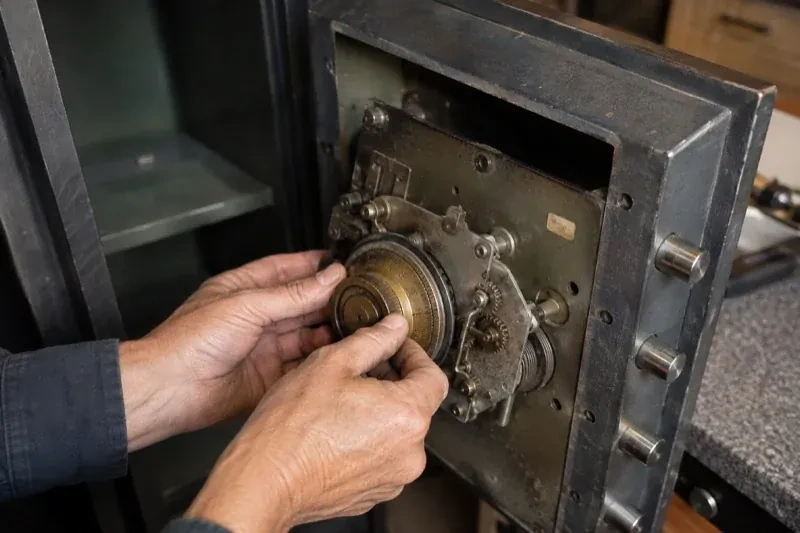
WhyA safe opening and combination change service is built around confirming who has the right to be inside the safe before any tool touches it.
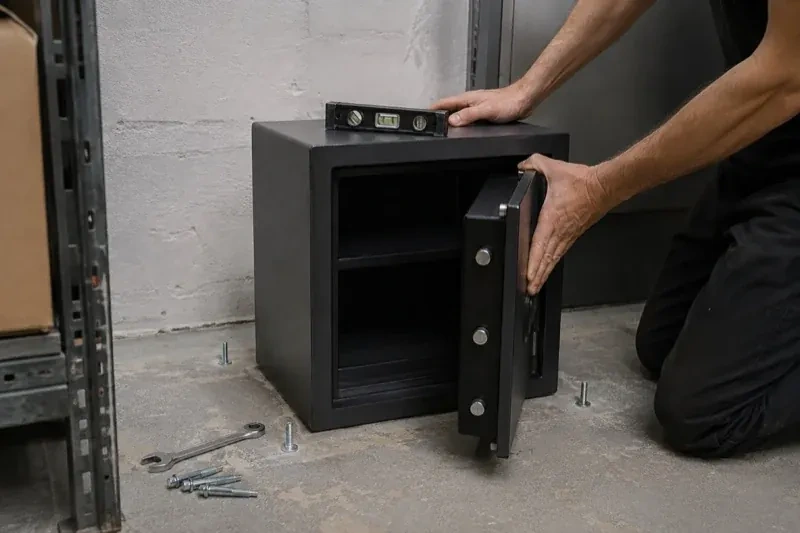
The office is moving three blocks over, and the old commercial safe that has sat bolted to the concrete for fifteen years now needs to come out, travel across town, and go back down just as solidly.
WhyBusinesses call for this service for two different reasons that sometimes overlap: protecting cash held overnight, and protecting paper records that would be enormously slow to recreate.
You jiggle the key a little and the old deadbolt opens even when the cut does not look quite right.
WhyA high security cylinder is rated by independent laboratory testing that times how long it holds out against picking, impressioning, drilling, prying and wrenching.
How a visit goes
Describe the property, the hardware and what has changed, and the visit starts from what you have seen.
1
2
3
01
Understanding the safe
We ask what the safe is for, how it is opened and what has changed: a lost combination, a dead keypad, a bolt that will not retract. Each points to a different approach.
02
Opening or repairing carefully
Where a combination can be reset or a keypad replaced, we do that. Where the safe must be opened without its code, we use the method that leaves it usable afterwards.
03
Setting it up for you again
Once it works we help you choose a new combination or code, show you how to change it later and suggest a sensible place to keep a record.
About 58% of homes in Toronto were built in 1980 or earlier, according to the 2021 Census.
Older homes
Layers of paint build up on older doors and frames, and a lock that seemed to fail is sometimes a latch glued shut by the last coat. Part of the visit in an older area is freeing hardware, cleaning the edges and checking the door swings true.
Single-detached houses make up about 23% of homes in Toronto (2021 Census).
Townhouse rows often share a keyway chosen by the builder. A locksmith can move a household onto a keyway of its own so a neighbour's key, or a key from the construction phase, no longer has any chance of fitting.
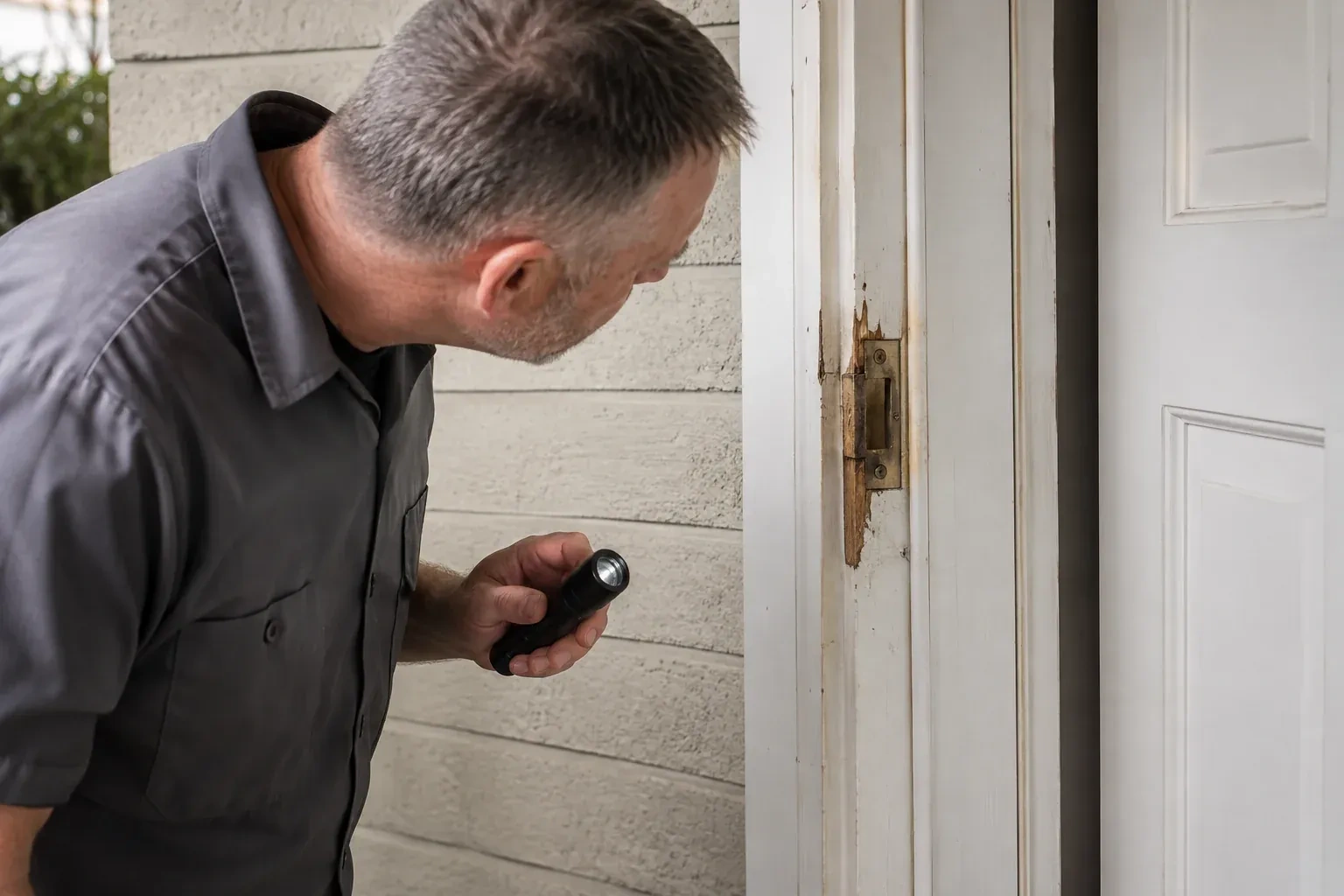
The strike is the metal plate the bolt throws into, and it is where a kicked door usually fails: short screws bite only into the thin jamb board, which splits. A reinforced strike or strike box fastened with 75 mm screws passes through the jamb into the stud behind, so a blow is met by the framing of the house. On a wood frame, strike screws that reach at least 30 mm into solid wood behind the jamb are what actually holds.
Someone forced my door. Can the new deadbolt go into the same frame?
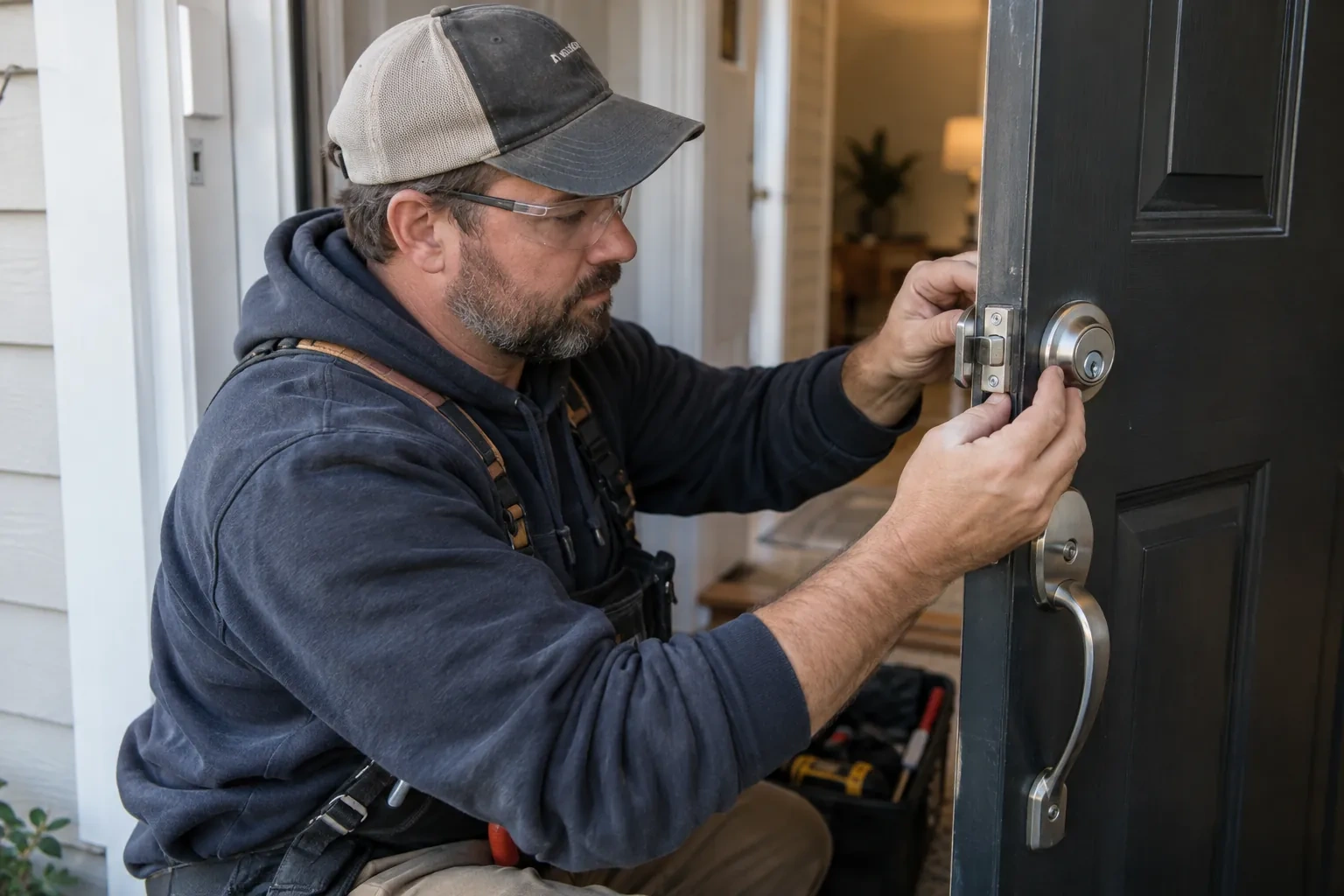
In most cases, yes. The locksmith examines the jamb for splits and stripped screw holes, glues and pins any cracked section, and fits a full-length jamb reinforcer under the strike so the new long screws bite into sound wood and the stud behind. A new pocket is bored to the correct depth. Where the jamb is beyond repair, replacing that section of frame is discussed before any lock goes on.
Can the new deadbolt use the same key as my other doors?
Usually, yes. If the new lock shares a keyway with your existing cylinders, the locksmith repins it on the bench so your current key operates it, and nothing changes on anyone's ring. If the keyways differ, the other doors can be brought onto the new key instead. Say which key you want to keep before the hardware is chosen, because keyway is part of picking the lock.
Can a high security cylinder be rekeyed later?
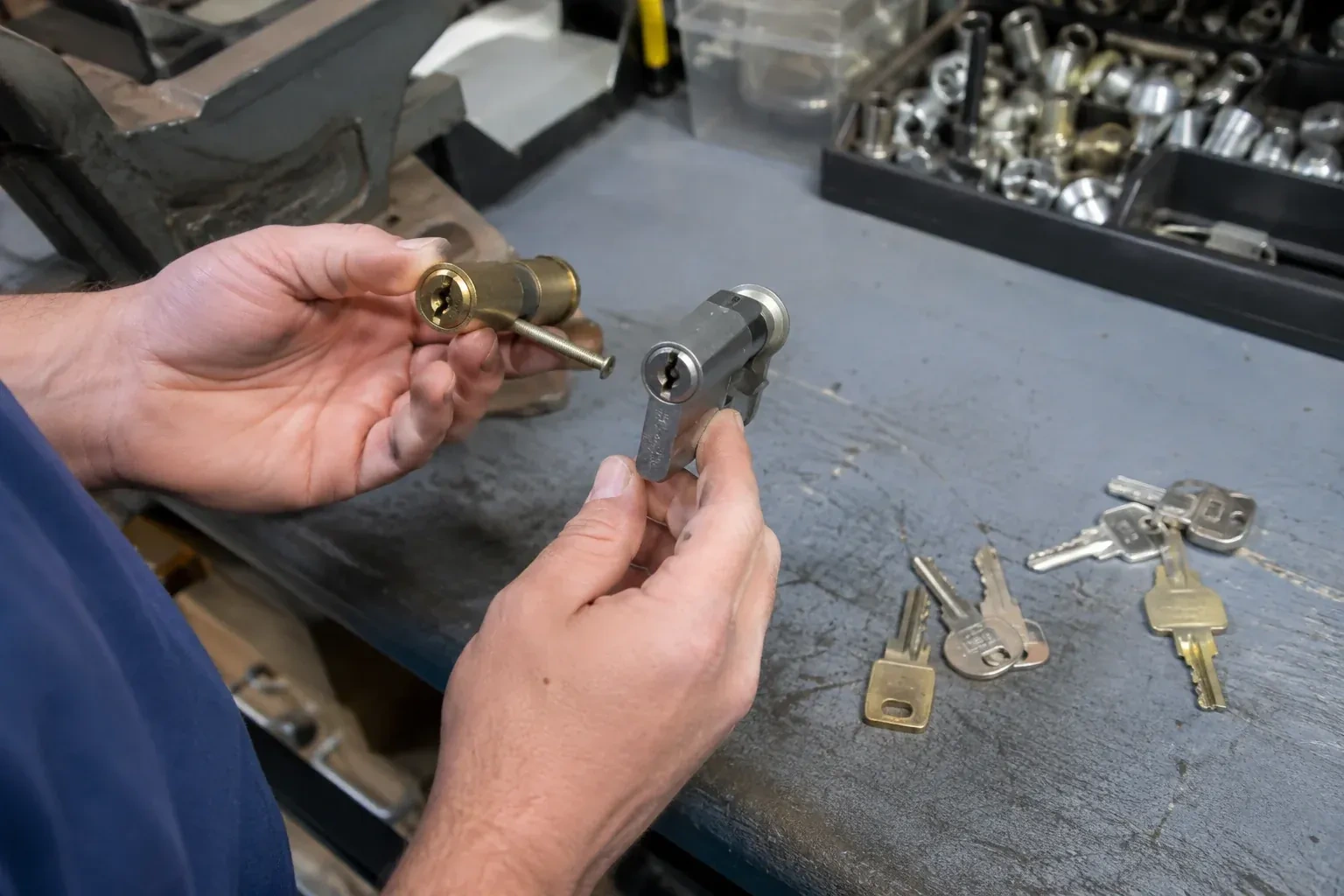
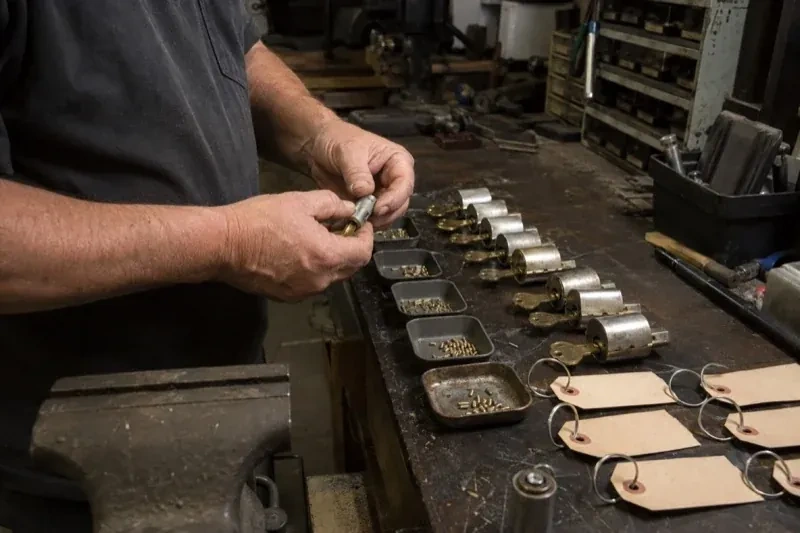
Yes. Like any pin tumbler it can be repinned to a new combination by a locksmith who holds the system, so a departed employee's key can be retired without replacing hardware. Some lines use interchangeable cores that swap in moments with a control key, which suits businesses with frequent turnover. Rekeying stays within your registered keyway, so the key control you paid for continues after the change.
Request a visit
Households in Toronto often collect locks from different decades that all take different keys. We rekey them to a single key where the hardware allows, replace the one or two that cannot be matched, and set up a spare that lives somewhere sensible. You leave with a lighter ring and a clear idea of which key does what.