Change or rekey · Toronto
Lock Rekeying
Three months of renovation are finally done.
In plain words
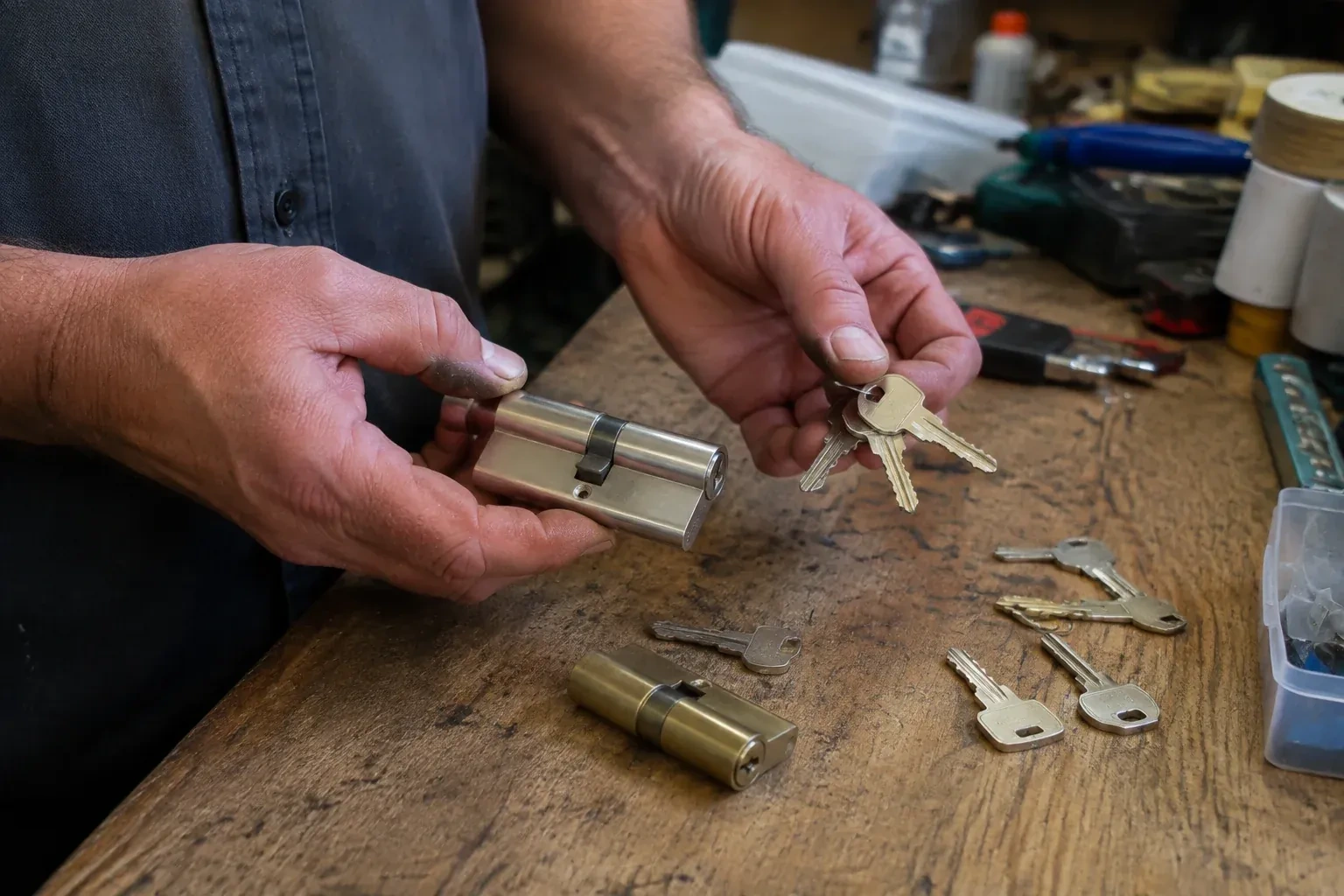
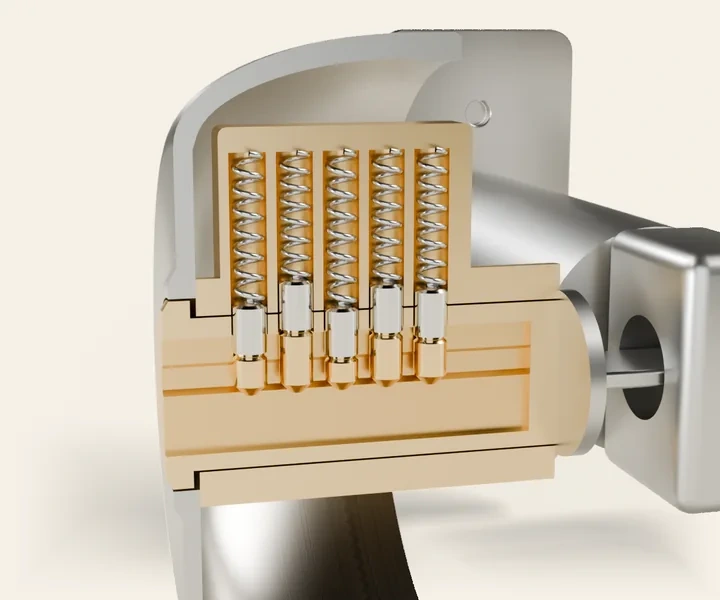
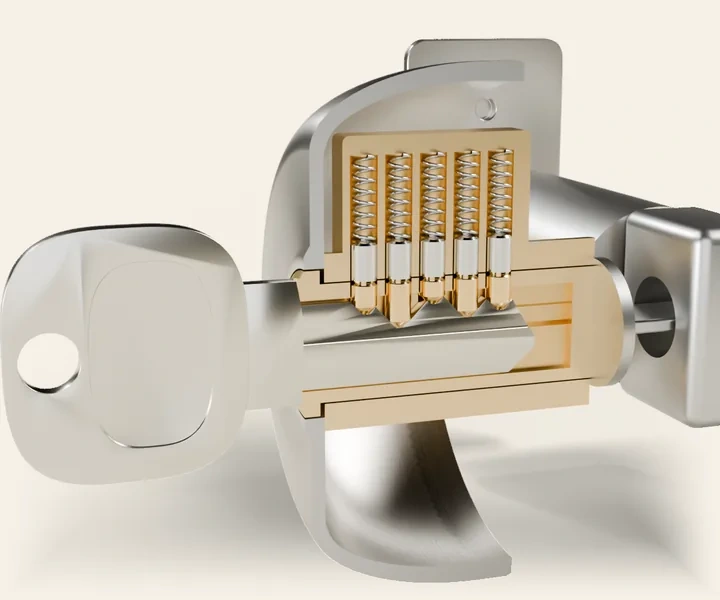
Rekeying is a change made inside the lock rather than to the lock itself. Many keyed cylinders hold a row of small pins that have to sit at exactly the right heights before the plug will turn, set by the cuts on your key, though some residential cylinders use a side-locking bar instead of pins. A locksmith slides the plug out, removes the pins, and loads a new set matched to a freshly cut key. Reassembled, the lock looks and feels exactly as it did, except that the new key turns it and every key cut before today does not. Your hardware, finish and door stay as they were.
How the visit goesYour roommate moved out last weekend. Rent is settled, the room is empty, and the key is still on their ring. You trust them, but the lock on your front door should answer to the people who actually live here.
Inside the lock
What a rekey changes
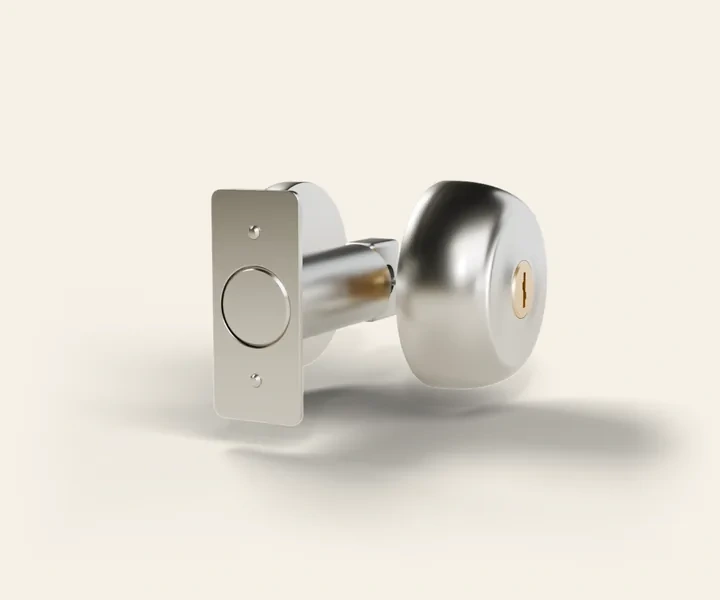

01
The lock you already have
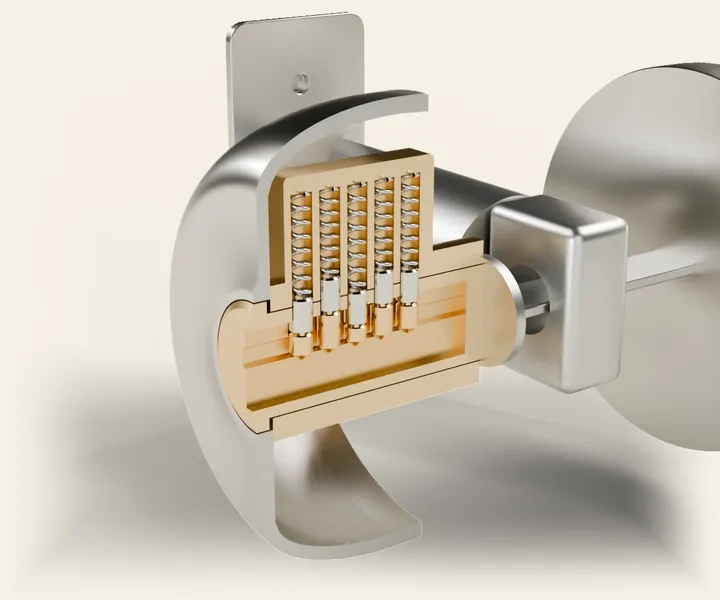
02
Inside the cylinder
03
Pins, springs and the shear line
04
A new key, new pins
Lock Rekeying
How the visit goes
Walking every door that should be included
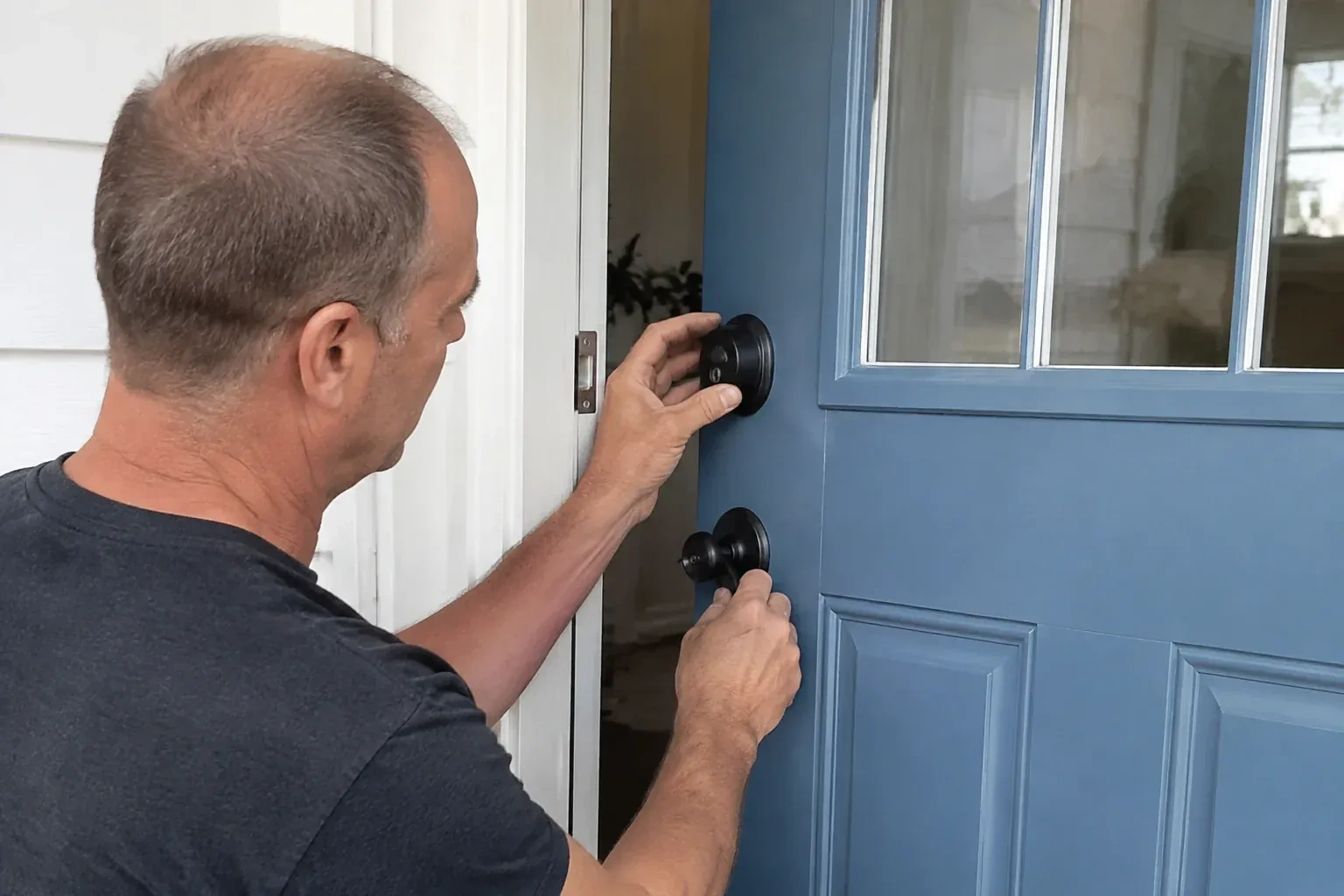
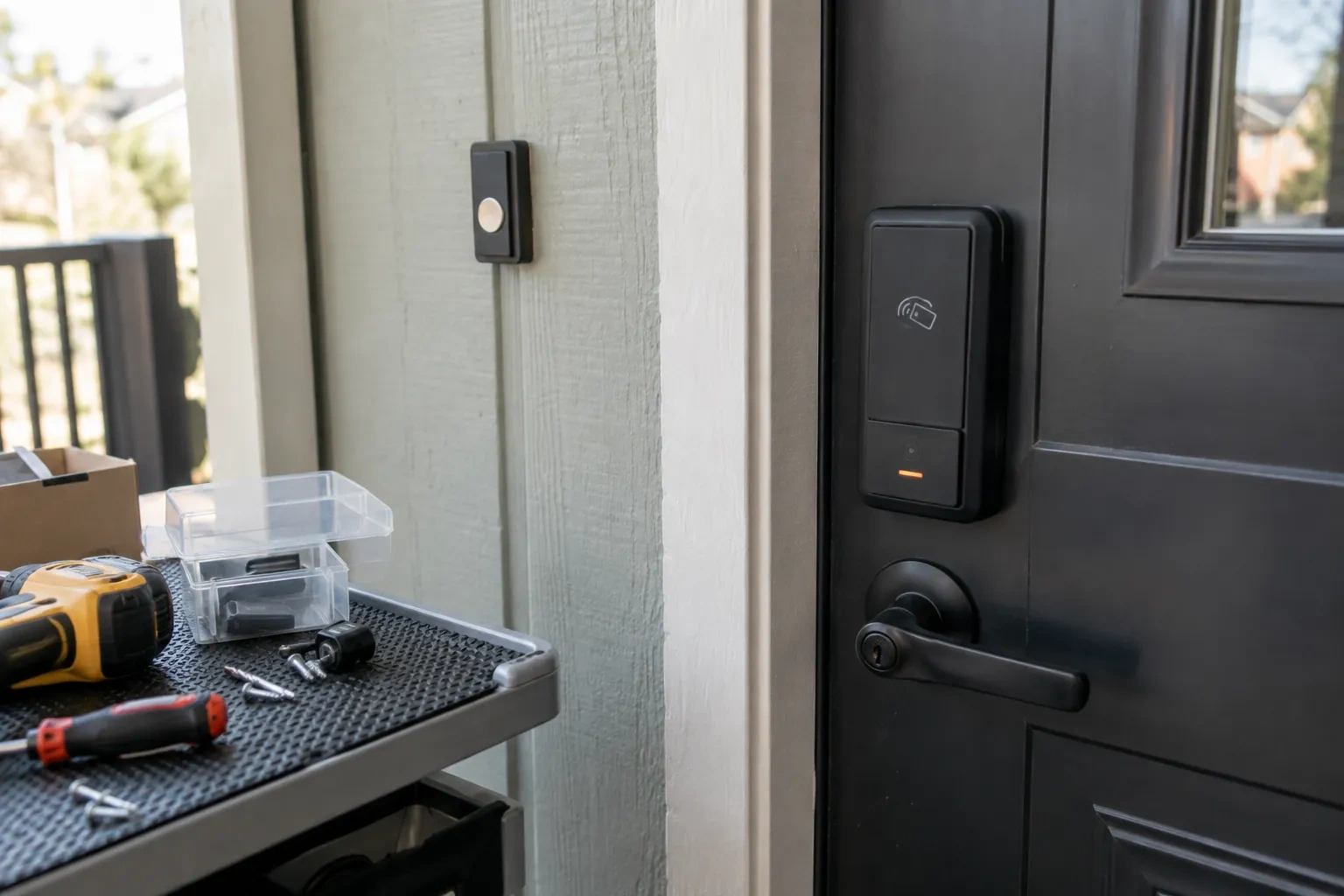
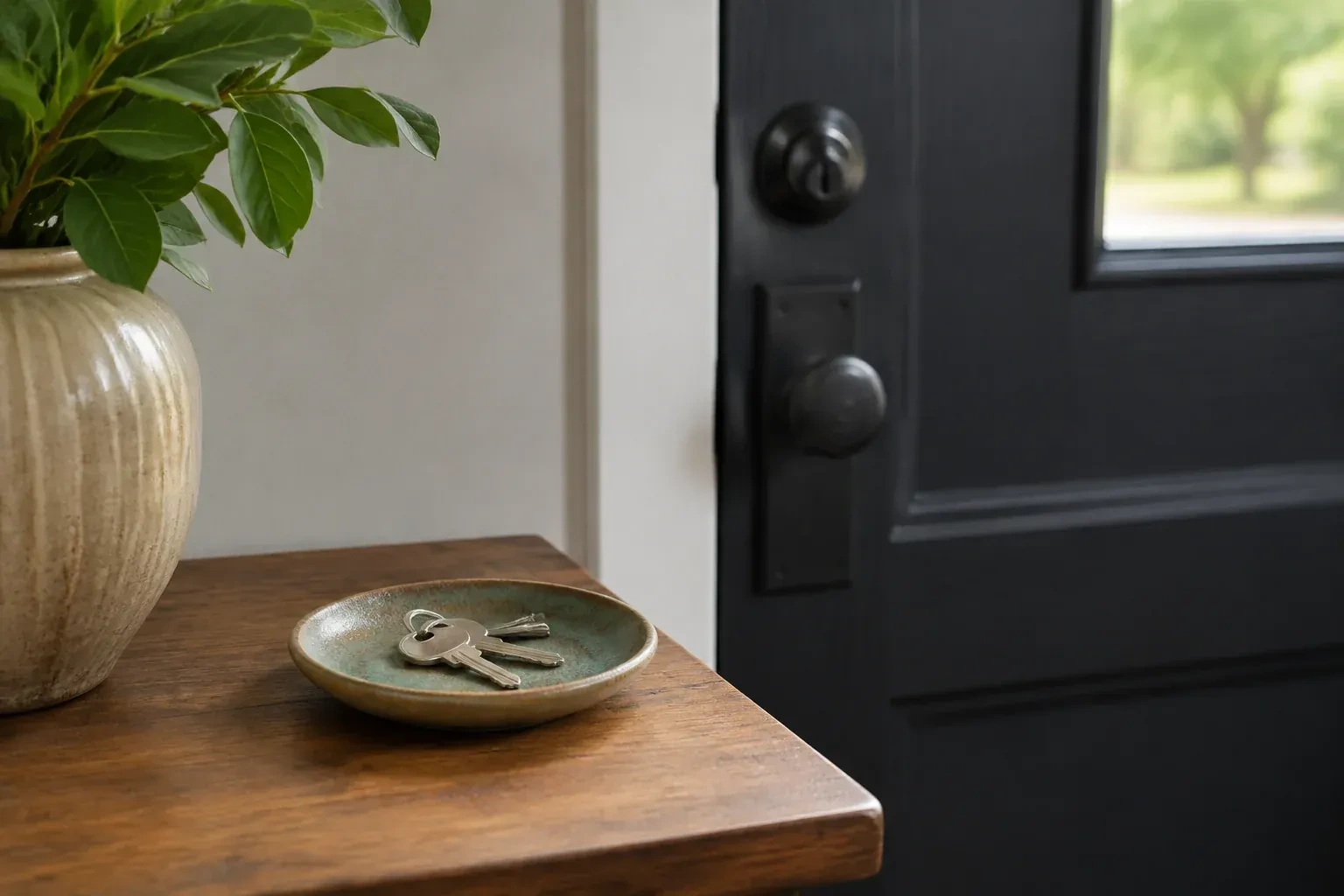
Before a single cylinder comes out, the locksmith walks the property with you and lists each opening: the front door, the back and side doors, the door from the garage into the house, a walkout basement, a gate with a keyed latch, a shed, a mailbox, and any interior door you want on a key. It is surprising how often the garage's side door or the storm door is forgotten and left on the old key. The list becomes the plan for the visit and, at the end, the record of what was done. A door that is not on the list is not rekeyed, so the walk is worth two careful minutes.
Reassembly and the shear-line test
On a pin-tumbler cylinder, the plug goes back into the housing with the new key in it, pushing the follower out ahead of it, and the cam or tailpiece is refitted with its retainer. Before the cylinder goes anywhere near the door, the locksmith turns the new key and checks that the plug rotates freely with no catch, then removes the key and confirms the plug is locked solid. A pin a fraction too long or too short shows up here as a rough turn and is corrected on the bench. Only a cylinder that passes goes back into its lock, where it is tested again with the door open and then closed.
The old keys are just metal now
Whatever was out in the world before today, the copy the contractor kept, the key the former roommate never returned, the ring that went missing on the bus, none of it turns a lock on your property any more. That is the whole point of the visit, and it is worth saying plainly because people sometimes keep worrying afterwards. If you still hold old keys, they can go in the metal recycling. There is no need to change the door hardware or your routine, but any keypad code known to someone whose access is ending should be deleted or changed separately, since rekeying the mechanical cylinder does not touch those codes.
Lock Rekeying
In the van
Retaining clip tool
Replacement cylinder for odd keyways
Key blanks
Graded bottom pin kit
Dry graphite or PTFE lubricant
Lock Rekeying
What affects the quote
Smart lock override cylinders and codes
Pinning the backup cylinder of a keypad or app lock to the house key is a small extra task, and reviewing or deleting user codes at the same time is another, each named in the quote.
Type of lock on each door
A standard deadbolt, a knob or lever set, a mortise lock in an older door, a padlock and a smart lock's override cylinder each come apart differently and take different time on the bench.
Interior doors added to the plan
Bedroom, office or storage-room locks brought onto a key are lighter work than exterior deadbolts, but each is still a cylinder to pin and test, and the count includes them.
What to have ready
- Do any locks feel stiff, loose or need a wiggle to turn?
- Would you like every door on one key, or should some doors stay separate?
- Which doors do you want rekeyed, and have you counted the door from the garage?
Lock Rekeying: questions
QuestionsHow often should locks be rekeyed?
There is no calendar for it. What matters is who holds a key, not how many years have passed. Think about it when occupancy changes hands, when someone who had a key no longer needs one, or when a ring goes missing along with something that shows where you live. Between those moments a well-kept cylinder may need no scheduled care, and when it does, use whatever that cylinder's maker specifies. With the doors already on one recorded system, any repeat is a short piece of work.
What should I have ready before the locksmith arrives?
A list of the doors you want included, a working key for each lock if you have one, and a clear idea of whether you want everything on one key or some doors kept separate. Have your identification and something tying you to the address handy. If you rent, have your landlord's agreement ready to mention. Knowing roughly how many new keys the household needs saves a second trip to cut more.
Can the garage side door, shed and gate be included?
Yes, and they usually should be, because a side door into the garage is the opening most often forgotten and left on an old key. Any pin-tumbler cylinder on the property can be pinned to the house key if its keyway allows: the man-door into the garage, a shed, a keyed gate latch, and many padlocks. A mailbox lock is usually a small cam lock that is replaced rather than repinned. Mention every opening when you book so the right blanks and cylinders are in the van.
Related services
- Lock Replacement & UpgradeThe century home's original mortise lock takes a key the size of a spoon, sticks in humid weather and has worn its strike to a groove.
- Vintage Mortise Lock ServiceThe interior bedroom doors on the second floor have the original mortise latches, and none of them close any more.
- Smart Lock InstallationThe rental turns over every few months and each time you drive across town to swap keys, then wonder whether copies were made.