Locksmith in Toronto, OntarioLock trouble in Toronto?Talk to a person.
You ring, a locksmith answers, and you describe what the door is doing. From there the visit is planned around your day, whether that is a shop that opens at seven or a house in Toronto where everyone is home after dinner. No call centre, no script, one company from first ring to finished door.
You ring, a locksmith answers, and you describe what the door is doing. From there the visit is planned around your day, whether that is a shop that opens at seven or a house in Toronto where everyone is home after dinner. No call centre, no script, one company from first ring to finished door.
Careful work on every kind of lock.
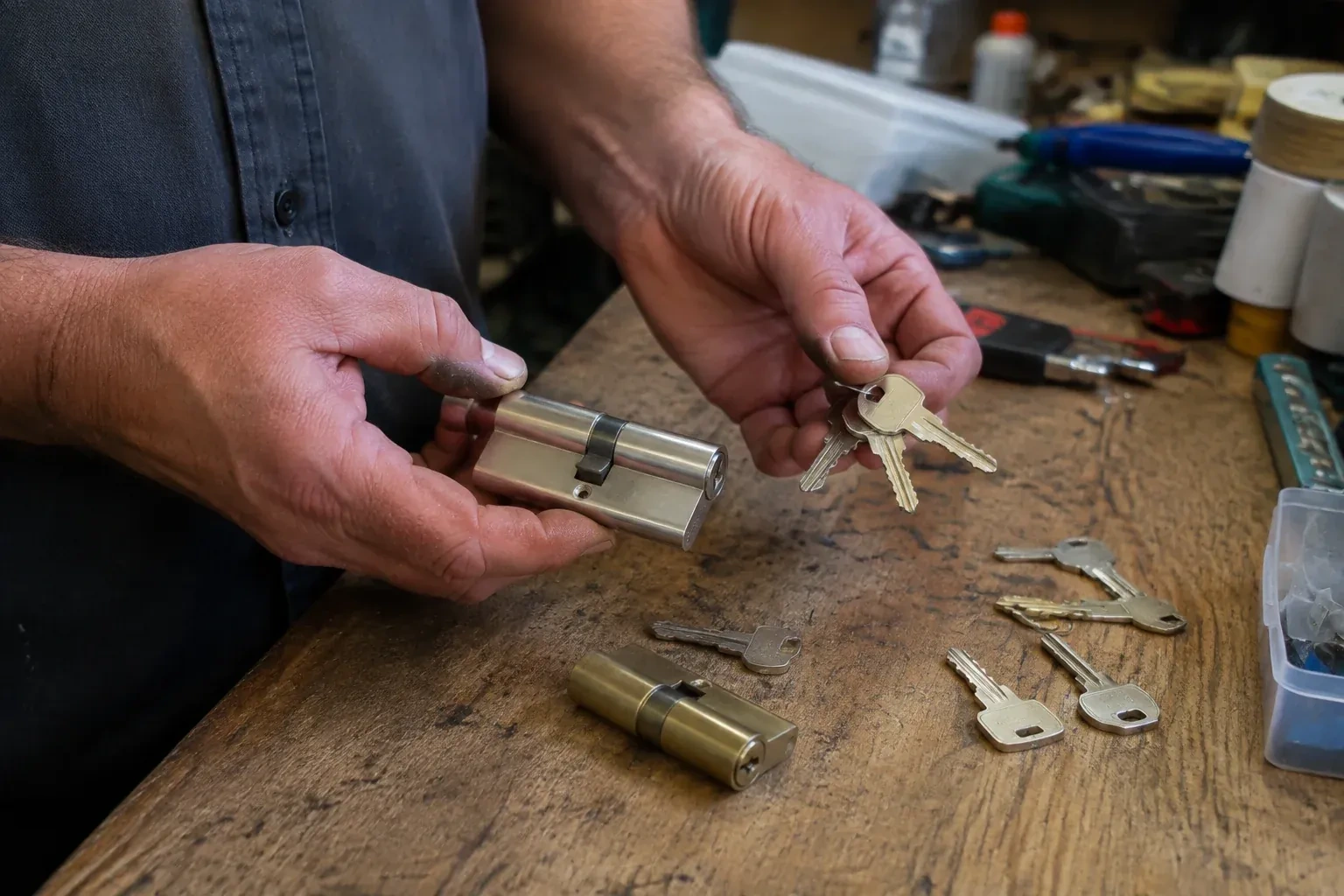
Households in Toronto often collect locks from different decades that all take different keys. We rekey them to a single key where the hardware allows, replace the one or two that cannot be matched, and set up a spare that lives somewhere sensible. You leave with a lighter ring and a clear idea of which key does what.
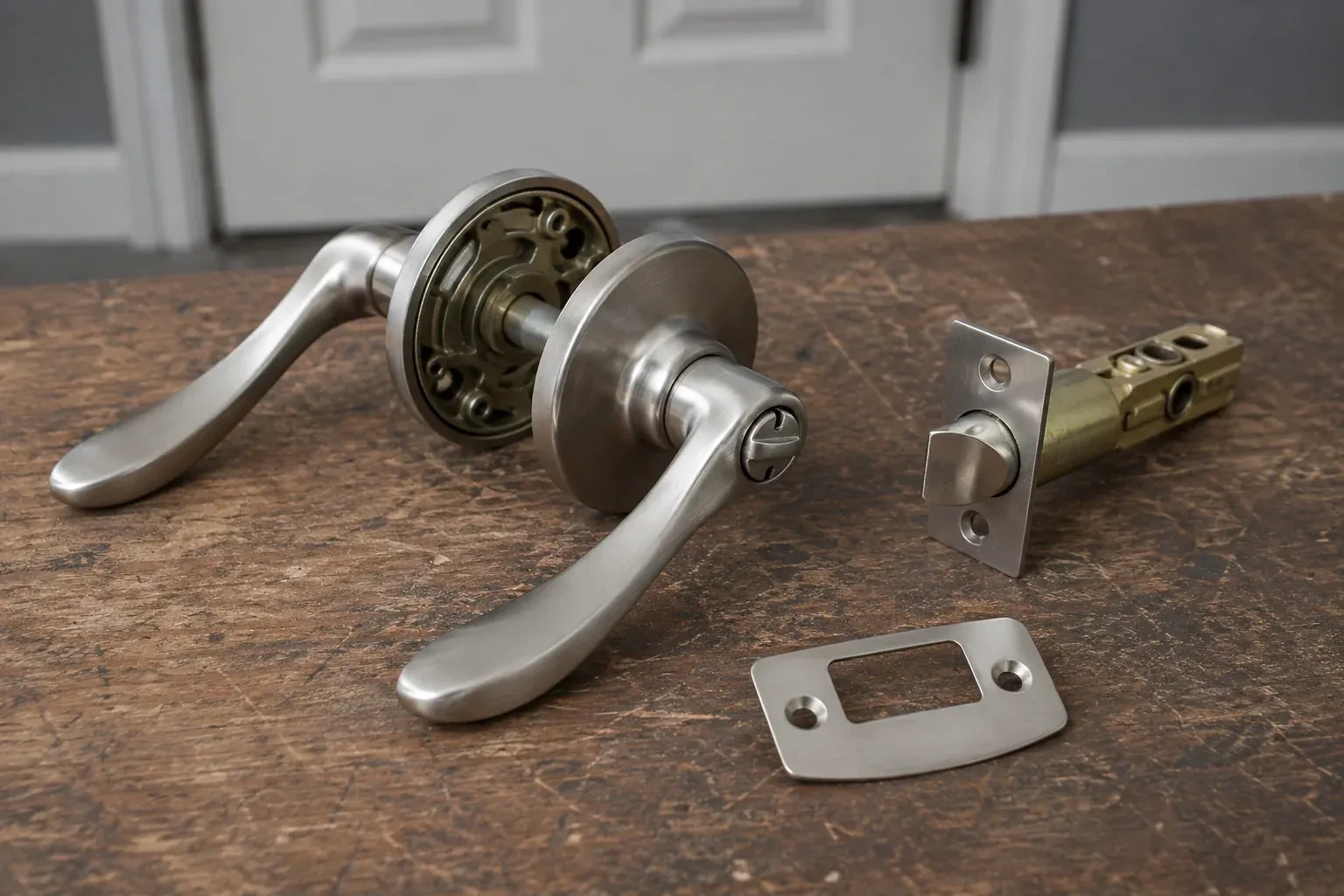
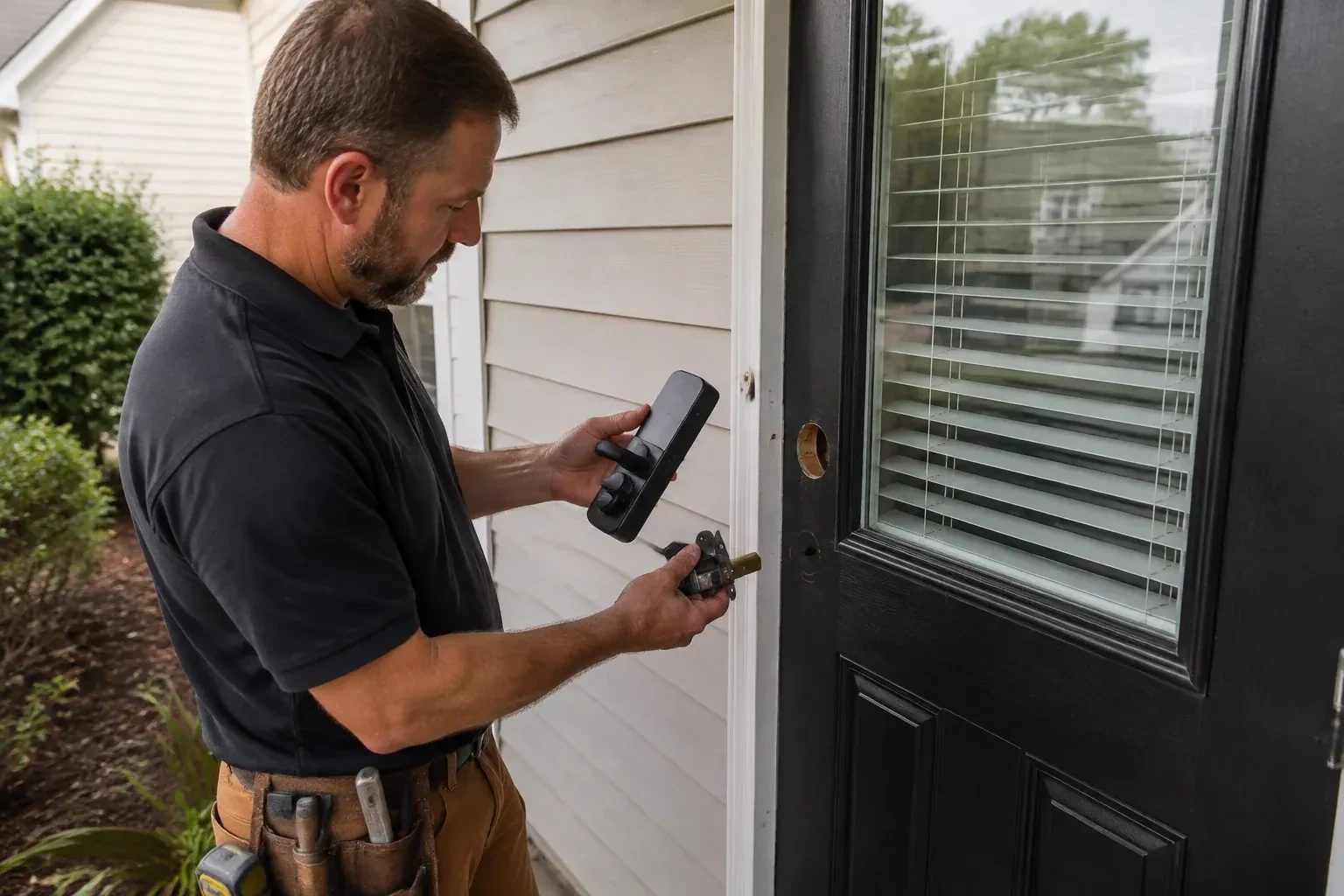
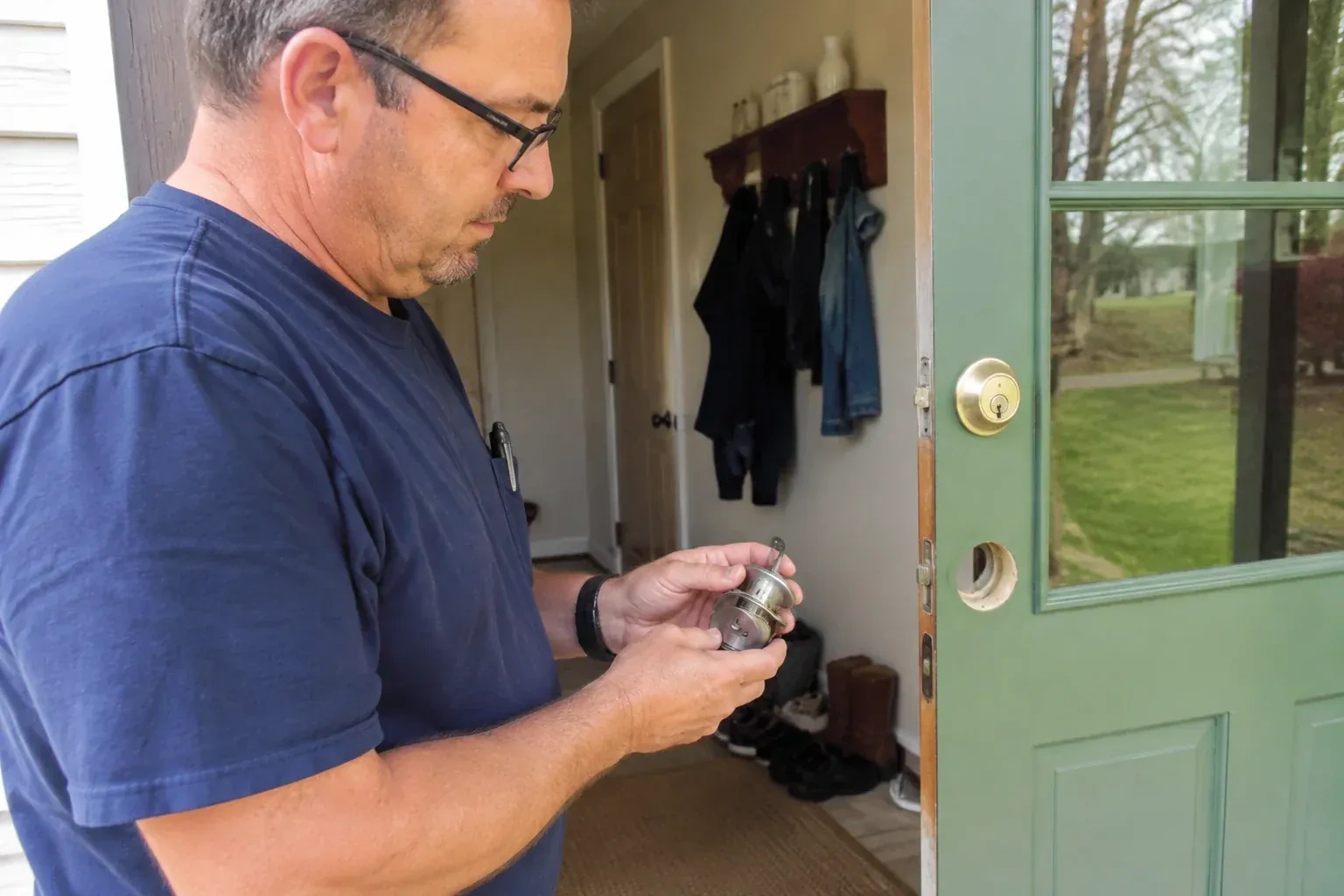
Century homes, post-war bungalows and new subdivisions in Toronto all end up asking the same question about their doors: is this lock enough? We answer it door by door, fitting graded deadbolts, patented cylinders and strikes screwed into the framing where they are needed, and leaving the doors that are already sound alone. Ownership is confirmed first, and the work is done without a mark on the trim.
19years in business
24/7open every day
Straight talk about your options. We describe what each choice does and what it asks of you in effort, disruption and future flexibility, so the decision is yours.
Work explained as it happens. If you want to watch, we tell you what each step is for. If you would rather make a coffee, we give you the summary at the end.
Tidiness as standard. A lock change should not leave a mess. We bring what we need to keep the door area clean and we leave it that way.
From the front door of a house to the back door of a warehouse, the work in Toronto comes down to a few families of jobs: getting in, changing who can get in, making it harder for the wrong people to get in, and keeping the hardware turning smoothly year after year. Browse the list to find yours.
About 58% of homes in Toronto were built in 1980 or earlier, according to the 2021 Census.
Older homes
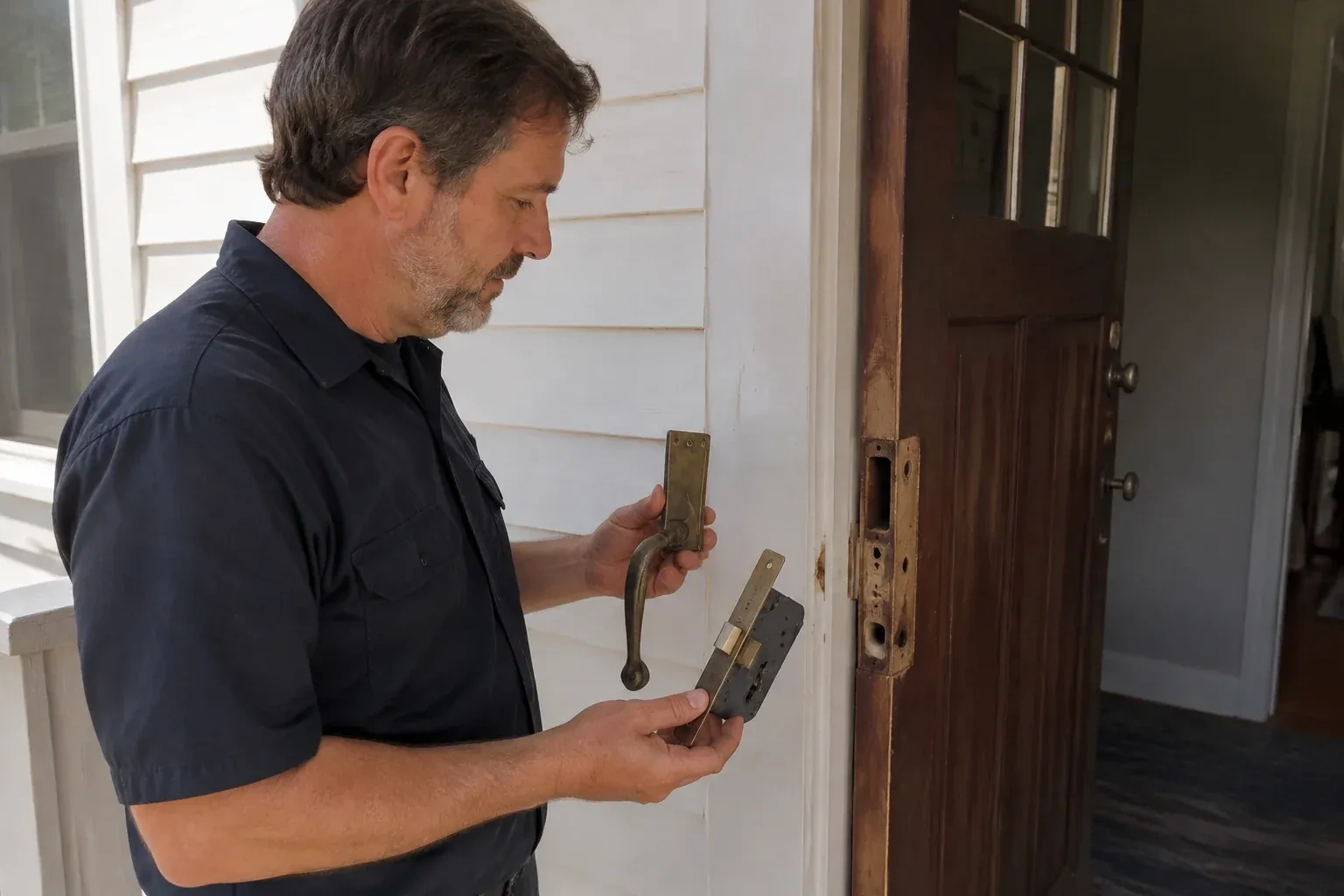
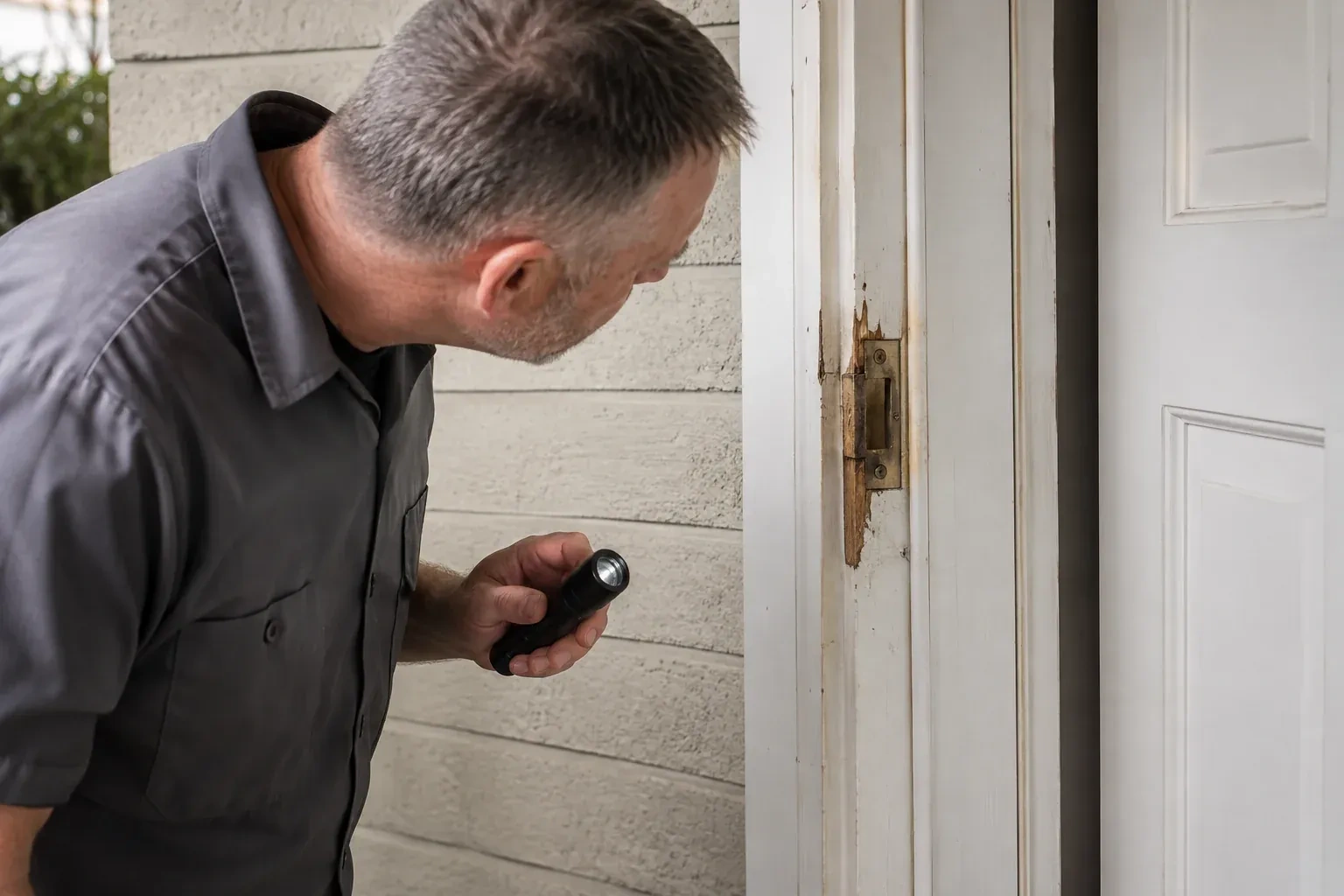
Layers of paint build up on older doors and frames, and a lock that seemed to fail is sometimes a latch glued shut by the last coat. Part of the visit in an older area is freeing hardware, cleaning the edges and checking the door swings true.
Single-detached houses make up about 23% of homes in Toronto (2021 Census).
Townhouse rows often share a keyway chosen by the builder. A locksmith can move a household onto a keyway of its own so a neighbour's key, or a key from the construction phase, no longer has any chance of fitting.
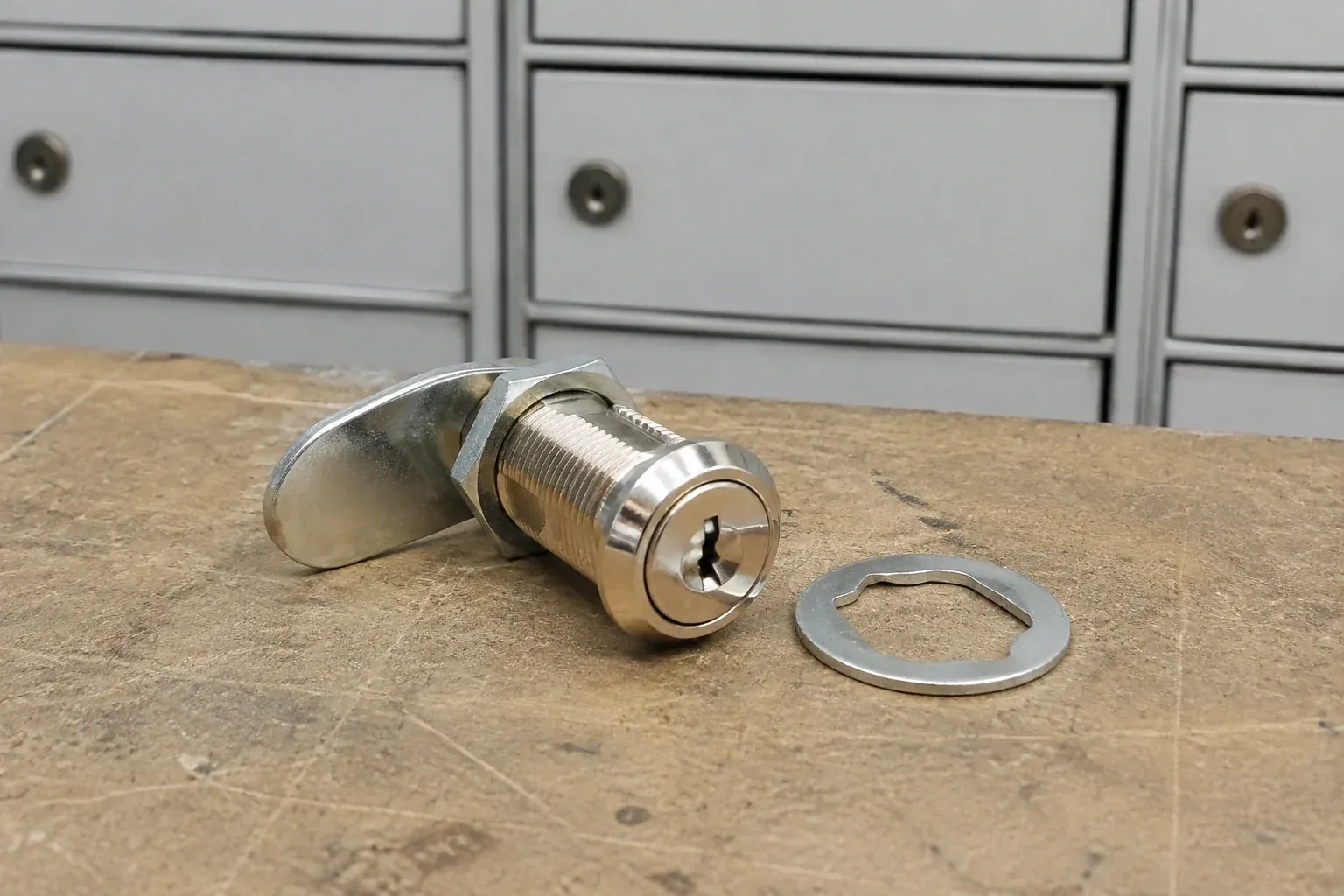
Losing count of keys is the reason most people finally ask about restricted systems. Once every key is numbered and every copy passes through you, the count stays right, and the worry about old copies goes away for good.
The pharmacy's drop safe has a keypad that finally lost power for good, and the little override key that was supposed to live behind the counter cannot be found anywhere.
The keypad on the office safe blinks a low-battery warning every morning now, and whoever notices it first quietly hopes someone else deals with it before the batteries finally give out mid-week.
Which fix fits?
It is minus fifteen, the wind is coming across the driveway, and the key will only go halfway into the deadbolt.
WhyFor a main exit door the hardware choice has a safety side as well as a security side.
A self-storage operator wants the office, the tenant gate and the equipment shed on three different levels of access for staff, but every lock on the property currently answers to the same handful of interchangeable keys handed out over the years.
WhyMany commercial properties end up with keys copied from other keys over years of staff changes, until nobody can say with confidence what a given key actually opens.
At closing time the hookbolt on the storefront door catches the keeper only on the second or third try, and one employee has started giving the door a shoulder to force it home.
WhyBusinesses often reach this service after something specific happens: a break-in, a departing employee holding a working key, a lease turnover, or an inspector's note about the rear exit.
The fob went through the washing machine in a jacket pocket.
WhyMost replacement keys are made where the car is parked.
A teenager just passed a driving test and reasonably wants a key of their own rather than negotiating over the family's single copy every time the car is needed.
WhyWhere the hardware allows it, a replacement or serviced ignition cylinder is pinned to match the key already in your pocket, rather than handing you a second key to keep track of.
How a visit goes
Describe the property, the hardware and what has changed, and the visit starts from what you have seen.
1
2
3
01
Understanding the safe
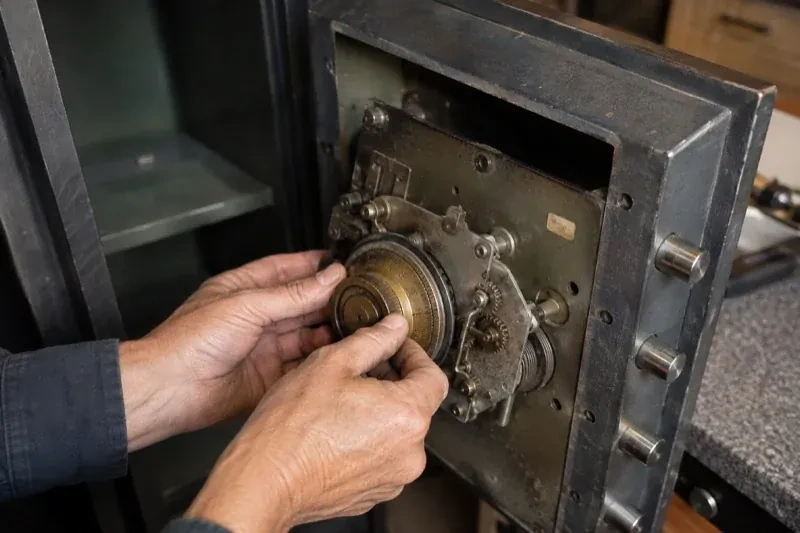
We ask what the safe is for, how it is opened and what has changed: a lost combination, a dead keypad, a bolt that will not retract. Each points to a different approach.
02
Opening or repairing carefully
Where a combination can be reset or a keypad replaced, we do that. Where the safe must be opened without its code, we use the method that leaves it usable afterwards.
03
Setting it up for you again
Once it works we help you choose a new combination or code, show you how to change it later and suggest a sensible place to keep a record.
Good days. Start with a turn.
1/9Home Lockout Service
It is minus fifteen, the wind is coming across the driveway, and the key will only go halfway into the deadbolt. Yesterday's thaw left water in the keyway and overnight it froze solid. Forcing it only makes the metal flex.
It is ten to nine, three staff are on the sidewalk with their coffees, and the key that has opened the glass front door for six years will not turn. The cylinder feels gritty, the door is locked, and the first customer is already parking.
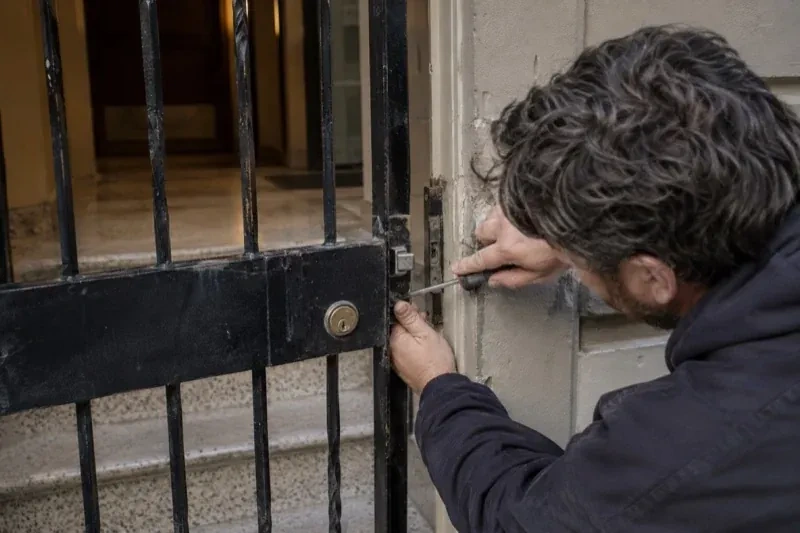
You were locking up on the way out when the key broke in the lock. Now the door is unlocked, a piece of key is jammed in the cylinder, and you were already running late for work.
You moved in three weeks ago. The previous owner left a handful of keys, none labelled, and the bolt on the side door rattles in its housing. You would like every exterior door to bolt, and to know exactly who can open it.
A self-storage operator wants the office, the tenant gate and the equipment shed on three different levels of access for staff, but every lock on the property currently answers to the same handful of interchangeable keys handed out over the years.
At closing time the hookbolt on the storefront door catches the keeper only on the second or third try, and one employee has started giving the door a shoulder to force it home.
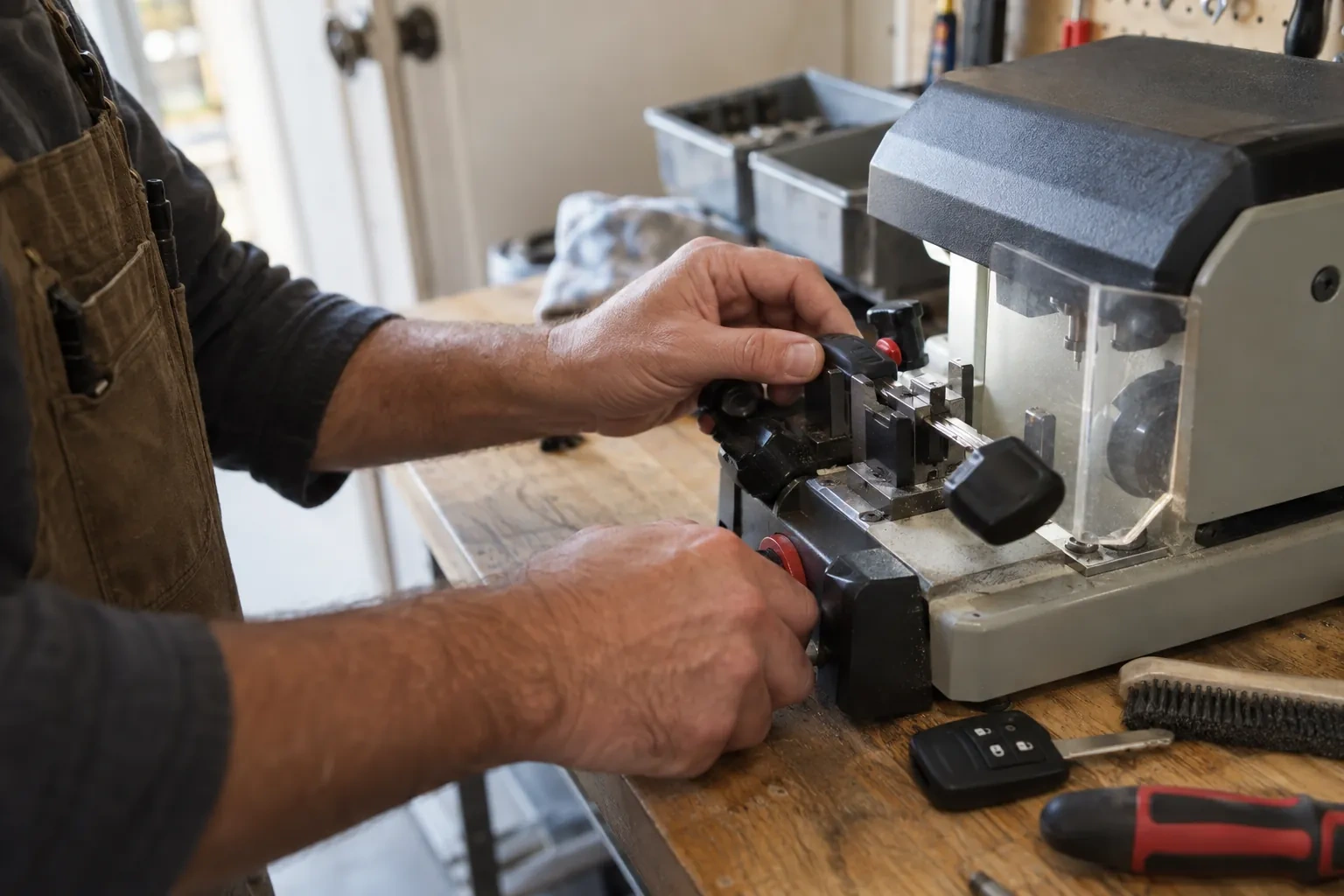
The fob went through the washing machine in a jacket pocket. It came out clean and completely silent. Nothing unlocks, the push-button start ignores it, and the little metal blade hidden inside only opens the driver's door.
A teenager just passed a driving test and reasonably wants a key of their own rather than negotiating over the family's single copy every time the car is needed. Two drivers and one key keep colliding on the same schedule.
The car arrived with one worn-looking key and a story about a lost spare. It turns the ignition, eventually, after some patience and a particular angle nobody in the household can quite describe or repeat on the first try.
In most residential lockouts the lock is untouched. Picking, decoding and latch tools operate the mechanism the same way your key does, so there is nothing to repair afterwards. A drill only appears when a cylinder is seized, plugged by a snapped key or engineered against picking, and you hear about that before it starts. Should it come to that, replacement hardware goes on before the locksmith leaves so you lock up normally that evening.
How long does a business lockout take?
It depends on the hardware and what else is wired to it. A standard storefront cylinder or office lever on a well-hung door is often a short job once authority is confirmed. A high-security cylinder, a frozen lock, a dropped door or a dead access controller adds time, and so does rekeying several doors afterwards. The locksmith gives you a realistic idea on the phone once you describe the door and the situation.
Should I rekey or replace the lock afterwards?
Only if the inspection finds a reason. A clean cylinder with sound pins goes straight back to work with a new key. Rekeying makes sense when the pins are worn and sticking, or when a lost or unaccounted key shares the same cut. Replacement is for a cylinder that is corroded, cracked or of a grade that will keep eating keys. Each is offered as its own decision, not bundled in.
Will drilling a new deadbolt damage my steel or fibreglass door?
Not when it is done for that door. Steel-clad doors are cut with a fine-toothed hole saw run slowly through the skin, guided by a jig so the saw cannot skate on the smooth face, and finished from both sides so each skin stays clean. Fibreglass is scored first so the surface does not chip. Shavings are vacuumed from the foam core, and the edge is finished with a collar or plate suited to the stile inside.
What is a master key system, in plain terms?
It is a set of keys arranged in levels rather than issued one at a time. An individual change key opens one door, or a small group of doors keyed alike. A sub-master opens a defined group of doors, such as everything on one floor. A single top-level master opens the whole set. The levels are designed around who actually needs each one, then cylinders are pinned to match, so the physical keys follow an organization's real structure instead of years of informal copying.
Do exit devices need any ongoing attention after installation?
Yes. Exit devices and panic hardware are mechanical assemblies that see heavy use on a required exit, so periodic checking that the latch engages fully, the release bar moves freely, and any electrified or alarmed function still triggers correctly is worth building into the same schedule as other fire-safety equipment in the building.
What is a transponder key, and does my car have one?
A transponder is a small chip in the head of the key with no battery of its own. When the key is in the ignition, or the fob is inside the cabin, the immobilizer sends a signal and the chip answers with a code; if the code is unknown, the engine is prevented from running. Every new light vehicle sold in Canada since September 2007 has been required to have an immobilizer, so almost any car from that time on uses one.
What identification do I need to bring for a vehicle that isn't mine, like a company car?
Bring whatever document shows your connection to the vehicle in that situation: a company letter or fleet record for a workplace vehicle, a lease agreement for a rented one, or a note from the registered owner for a family member's car. The locksmith is confirming that the person asking for a key is entitled to hold one, which protects the vehicle's owner as much as it protects you.
What is the difference between this and being locked out of my car?
A lockout is about getting into a vehicle that is closed against you; ignition lock repair is about the mechanism the key turns once you are already inside or once the door is open. The two sometimes happen together, a stuck ignition can follow a lockout, but a working ignition and a locked door are separate problems with separate tools and separate visits to arrange.
Request a visit
Households in Toronto often collect locks from different decades that all take different keys. We rekey them to a single key where the hardware allows, replace the one or two that cannot be matched, and set up a spare that lives somewhere sensible. You leave with a lighter ring and a clear idea of which key does what.