Change or rekey · Bayview Village
Gate & Building Entry Locks in Bayview Village
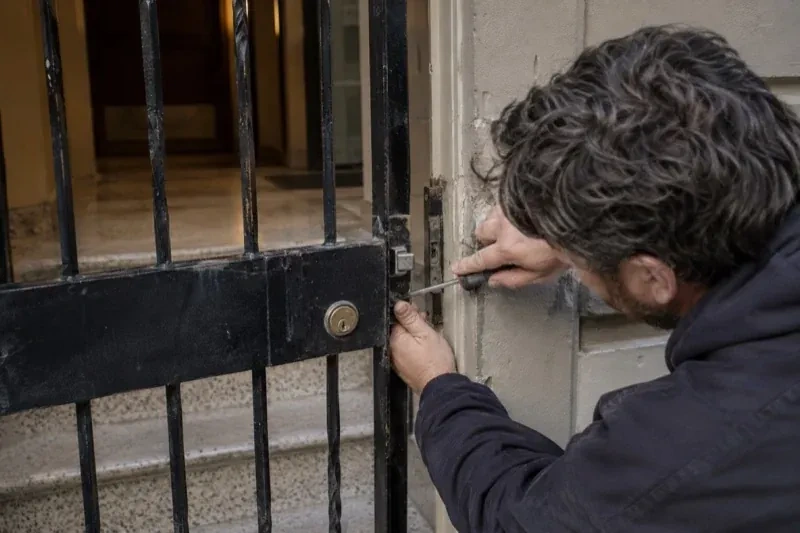
The driveway gate drags a groove into the gravel every time it swings, and the latch stopped catching weeks ago.
In plain words
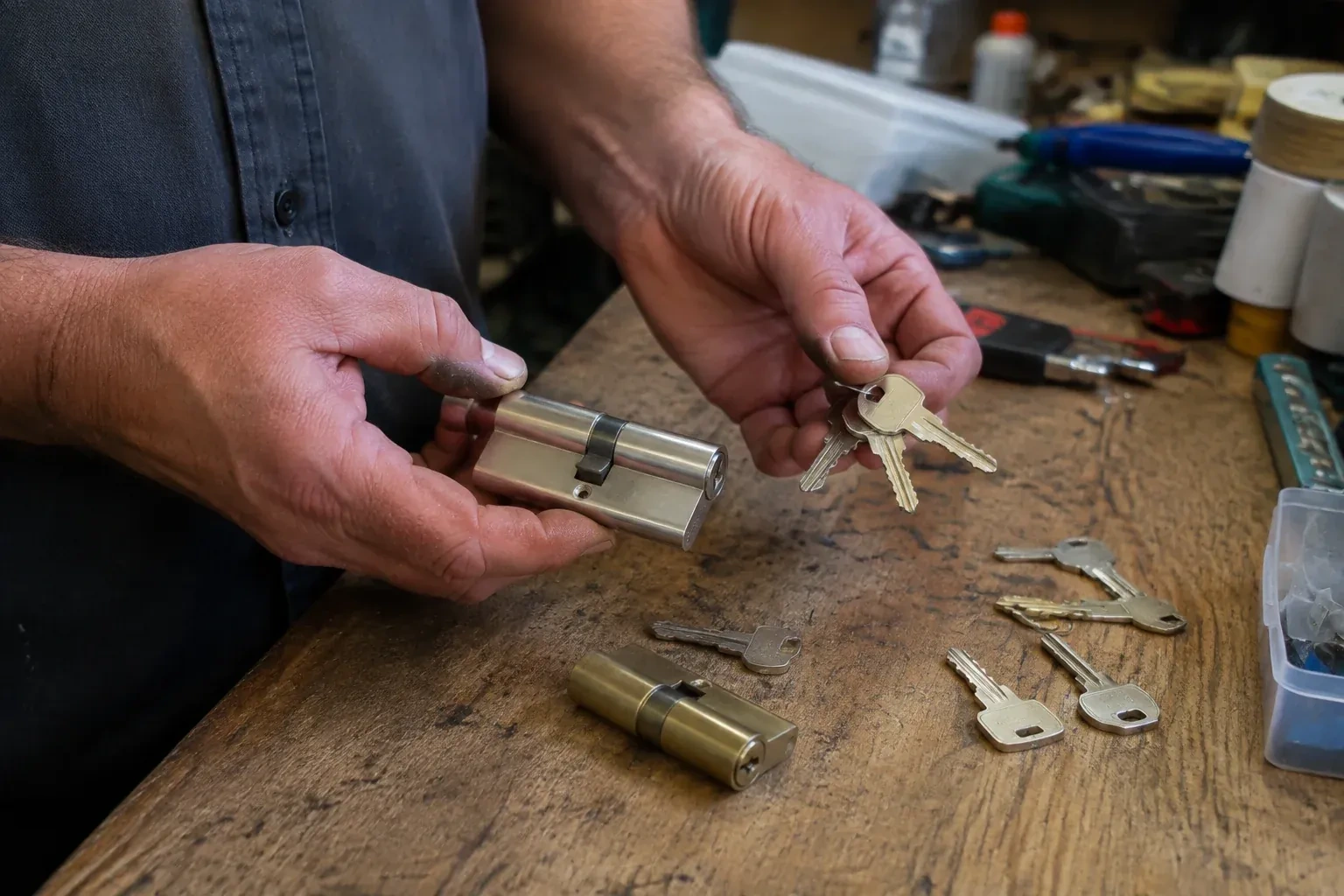
A property that grew its gates one at a time, a shed lock here, a side gate there, tends to end up with a drawer full of keys that only sort of match. This service takes stock of every gate and padlock on the property and works out which ones can reasonably be brought onto a single key, replacing or recombining cylinders as needed. The owner leaves with fewer keys, a clear note of what opens what, and a plan for adding any new gate onto the same system later.
How the visit goesBetween the front gate, the side gate and the one behind the shed, there are three different padlocks, three different keys, and a growing pile of duplicates in a kitchen drawer that nobody can match to the right lock anymore.
Gate & Building Entry Locks
How the visit goes
Reading a frost-heaved or settled post
Ground movement shows up as a lock problem long before anyone thinks to blame the post. The locksmith checks whether the gate post has lifted, tilted or settled relative to the latch post it is supposed to line up with, and by how much, since a small seasonal shift is different from a post that has genuinely moved for good. This distinction decides whether the fix is resetting the strike position for now or addressing the post itself, and it keeps the same misalignment from returning with the next frost.
Resetting the strike and keeper
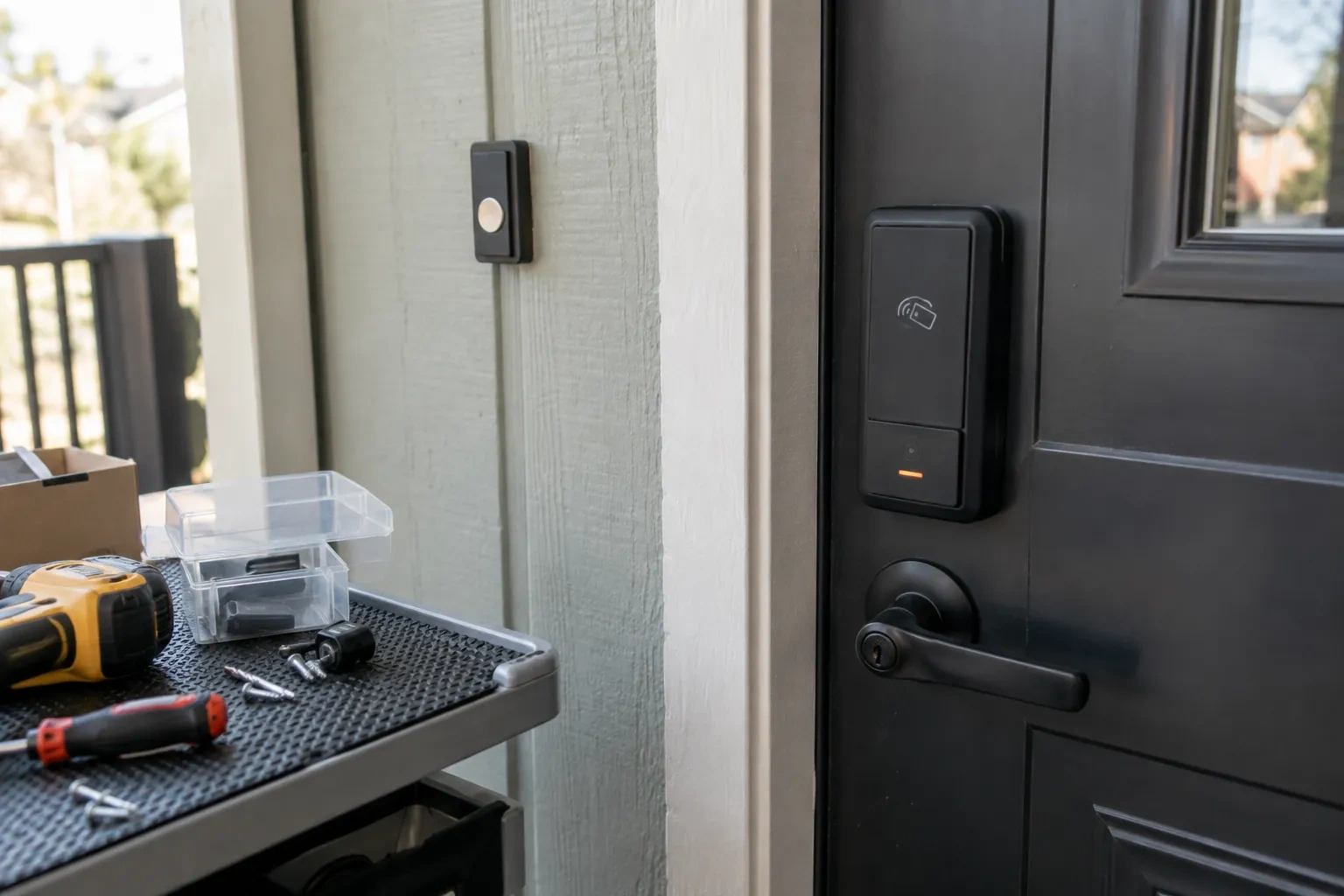
With the gate or door's adjusted position confirmed, the strike or keeper is repositioned, shimmed or deepened so the latch or bolt has a clean, full throw into it. On a wooden gate post this can mean moving the keeper's screws to fresh wood; on a metal frame it can mean elongating or relocating the mounting holes. The goal is a strike that lines up with the latch across the gate's whole range of motion, in damp weather and dry, rather than only on the one afternoon it happened to be tested.
Everyone currently there has a matching key
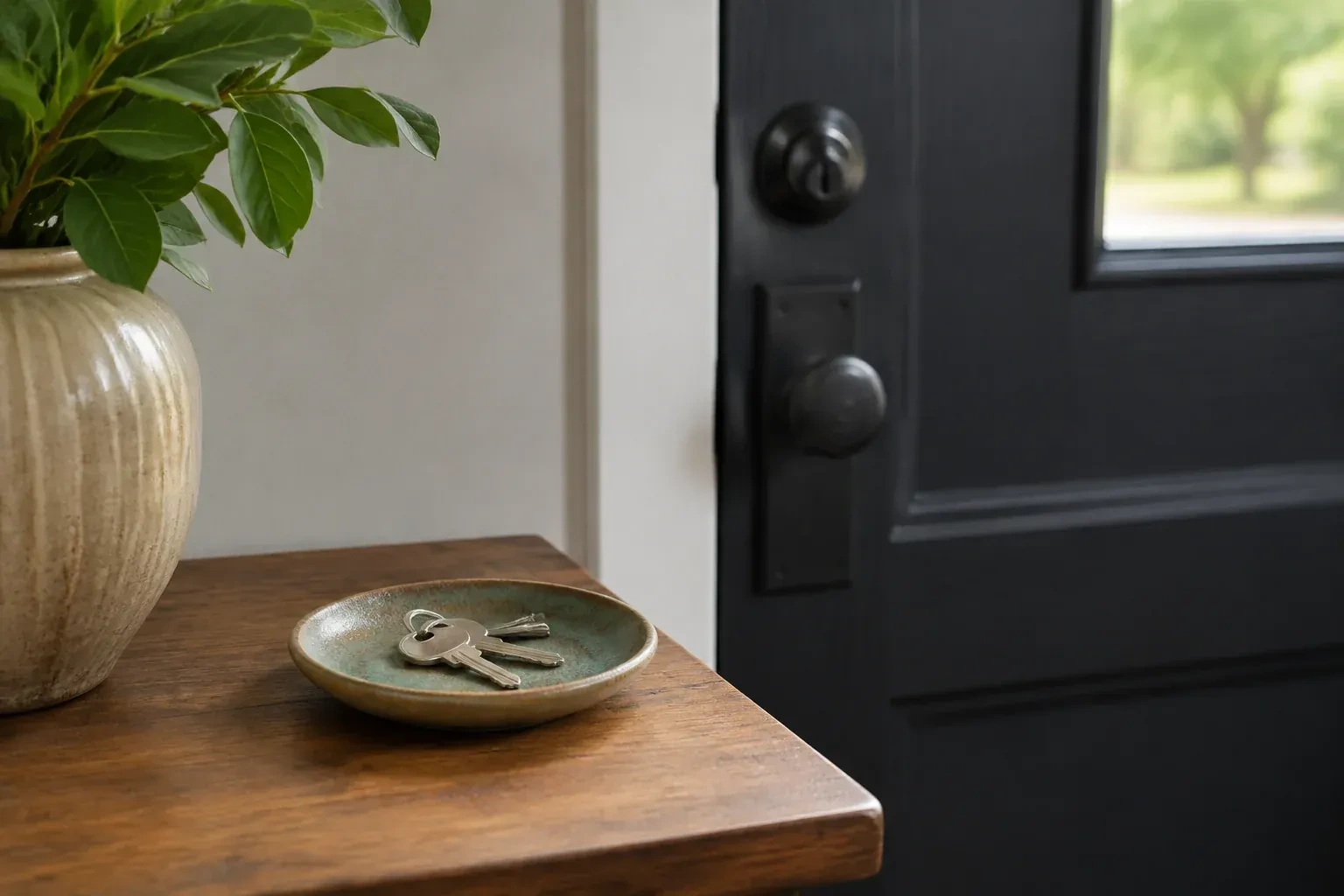
If the visit involved a rekey, every current resident, tenant or key holder leaves with a key cut to the new combination, and a short written note of who received one. Anyone who moved out before the change is now holding a key that no longer fits whichever gate or door was rekeyed, though it may still turn any other cylinder on the property that kept its old combination. Where several gates or doors were brought onto the same key, each one is tested in your hand before the locksmith leaves, so you are not left guessing which key opens which gate the next time you need one after dark.
Gate & Building Entry Locks
In the van
Plug follower and repinning kit
Cylinder decoder and pick set
Gate and door closers
Hinges, pivots and shims
Key blanks and code cutter
Gate & Building Entry Locks
What affects the quote
Access to the gate or entry
A ground-level gate on an easy driveway is straightforward. A shared building entry behind a locked lobby, a gate at the far end of a long property, or awkward scaffolding around the hardware adds time the quote takes into account.
Master key or keyed-alike planning
Setting up a master key system, or bringing several separate locks onto one shared key, involves planning the pinning structure across every cylinder involved, which is more work than rekeying one lock in isolation.
Type and grade of the gate or door lock
A basic surface-mounted gate latch, a weather-rated cylinder, a mortise case and a panic device on a building entry each take different parts and different amounts of time to service, and that difference is reflected in the quote.
What to have ready
- Are there other gates on the property that should share a key?
- Has anyone moved out or left the building recently?
- Is the lock dragging, slamming, stuck, or simply not latching?
Gate & Building Entry Locks: questions
QuestionsShould I choose a padlock or a built-in gate lock for a new gate?
A padlock through a hasp is simple to fit to almost any gate and easy to rekey or swap later, which suits a gate that gets occasional use or belongs to more than one type of user, such as a shared laneway. A built-in gate lock with its own latch and cylinder tends to suit a gate used daily, since it operates with one motion instead of fitting and removing a separate padlock each time. Either can be paired with a closer if the gate should shut on its own.
What can be done about salt and corrosion on outdoor gate hardware?
Choosing corrosion-resistant fasteners and a cylinder rated for weather exposure at the outset avoids most of the problem, since plain steel fittings near a driveway or walkway take the brunt of de-icing salt over a winter. For hardware that already shows early corrosion, cleaning and a dry lubricant can extend its working life, while pitted or seized parts are better replaced than fought with season after season. A rinse of the hardware after a heavy salt application is a simple habit that helps as well.
Should every gate on my property share one key, or is it better to keep them separate?
Either can make sense, and the choice usually comes down to who uses which gate and how often. A household that walks through the front and side gates daily generally prefers one key for both, while a gate that only a landscaper or utility worker uses is sometimes kept on its own key deliberately, so lending it out does not hand over access to everything else. The locksmith can lay out both options once every gate on the property has been looked at.
Related services
- Deadbolt InstallationThe front door has a handsome lever and a keyed knob, and that is all.
- Lock Replacement & UpgradeThe century home's original mortise lock takes a key the size of a spoon, sticks in humid weather and has worn its strike to a groove.
- Vintage Mortise Lock ServiceThe interior bedroom doors on the second floor have the original mortise latches, and none of them close any more.